- Introduction
- Is dry- cleaning safe for sensitive skin?
- Dry- cleaning v/s Home Washing: Which is better for skin allergies?
- Best fabrics to dry- clean if you have sensitive skin
- Why Dry-Cleaning Is Safe for Sensitive Skin
- Can dry- cleaning reduce itching, rashes and fabric friction?
- Why does my laundry detergent make my skin itch?
- FAQs
- Conclusion

Introduction
If your skin gets itchy, red, or irritated after wearing freshly washed clothes, you’re not alone. Many people with sensitive skin don’t realize that regular laundry detergents can cause irritation on your skin. These products often leave residue behind that sits on your clothes, and then on your skin.
Unlike home washing, dry cleaning doesn’t rely on traditional detergents that can cause irritation. Instead, it offers a gentler way to clean clothes while removing allergens, bacteria, and buildup that sensitive skin reacts to.
In this blog, we’ll break down the 3 benefits of dry cleaning for sensitive skin, explain why it can make a real difference for comfort, and help you decide if it’s the right choice for your everyday clothing and delicate fabrics.
Is dry- cleaning safe for sensitive skin?

Yes, dry-cleaning is safe for sensitive skin, and in many cases, it’s actually gentler than regular home washing. Think of it this way: when you wash clothes at home, you use detergents that have strong chemicals, colors, and perfumes.
These can stick to your clothes even after rinsing. When those clothes touch sensitive skin, they can cause itching, redness, or irritation.
Instead of using soap and lots of water, it uses special cleaning liquids that don’t leave behind the same harsh residue. Because of this, dry-cleaning is often safer for sensitive skin, especially if your skin reacts easily or you get rashes from laundry detergent.
Benefits of Dry Cleaning for Sensitive Skin
- Less skin irritation
Dry-cleaning avoids strong detergents, which helps reduce itching and discomfort for sensitive skin. - Removes allergens better
It helps get rid of dust, pollen, and bacteria that can trigger skin problems. - Softer, skin-friendly fabrics
Clothes stay smoother and gentler, which means less rubbing and fewer skin reactions.
If regular laundry keeps bothering your skin, switching to dry-cleaning for sensitive skin can make everyday clothes feel more comfortable. Sometimes, small changes in how you clean your clothes can make a big difference for your skin.
Dry- cleaning v/s Home Washing: Which is better for skin allergies?
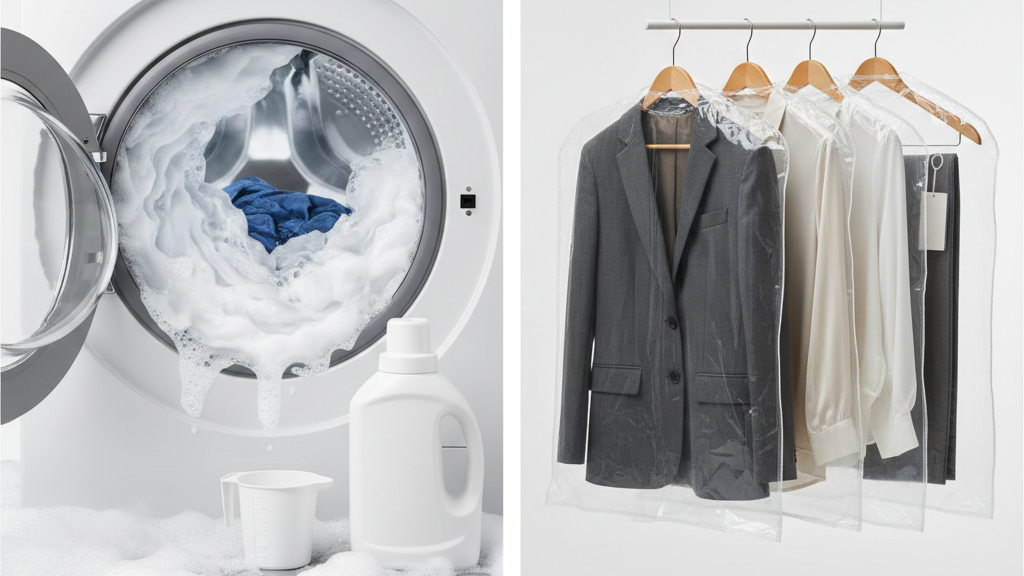
People with sensitive skin should always research before experimenting with how they clean their clothes. Why? Because whatever stays in your fabric ends up touching your skin all day.
Detergents, perfumes, chemicals, and even leftover residue can directly affect your skin and trigger itching, rashes, or allergies. That’s why understanding dry-cleaning vs home washing for skin allergies is so important.
How Dry-Cleaning Affects Sensitive Skin
Dry-cleaning cleans clothes without using regular laundry detergents. This can be helpful for people with skin allergies, but it depends on the cleaner and method used.
Possible skin reactions from dry-cleaning (rare but possible):
- Mild contact dermatitis (if chemicals are not properly removed)
- Sensitivity reactions if clothes are not fully aired out
Why dry-cleaning is often safer for sensitive skin:
- No harsh detergents or soaps
- No fragrance-heavy cleaners
- Better removal of allergens like dust mites, pollen, and bacteria
- Less residue left on fabric
Overall, dry-cleaning for sensitive skin usually causes fewer allergic reactions when done professionally.
How Home Washing Affects Sensitive Skin
Home washing is more likely to cause skin problems, especially for people with allergies or eczema.
Common skin allergies caused by home washing:
- Contact dermatitis
- Eczema flare-ups
- Itchy skin without visible rashes
- Hives or redness
- Fragrance sensitivity reactions
Why home washing can be risky for skin allergies:
- Detergents contain perfumes, dyes, and harsh chemicals
- Residue stays trapped in clothes even after rinsing
- Fabric softeners and dryer sheets coat clothes with chemicals
- Hot water can damage fabrics, making them rough on skin
This makes home washing less safe for skin allergies, especially for everyday clothes, bedding, and underwear.
Which Method Is Unsafe Based on Skin Allergies?
When comparing dry-cleaning vs home washing for skin allergies, home washing causes a higher number of skin allergy issues. Most skin reactions are linked to detergents, fragrances, and fabric softeners used at home.
The Safer Choice for Sensitive Skin
Dry-cleaning is generally the better and safer method for people with sensitive skin because it avoids harsh detergents and removes allergens more effectively.
If your clothes keep making your skin itchy or uncomfortable, the problem may not be your skin, it may be how your clothes are cleaned. Choosing dry-cleaning for sensitive skin can help reduce allergies, irritation, and daily discomfort. Sometimes, changing your laundry method is all your skin really needs.
Best fabrics to dry- clean if you have sensitive skin
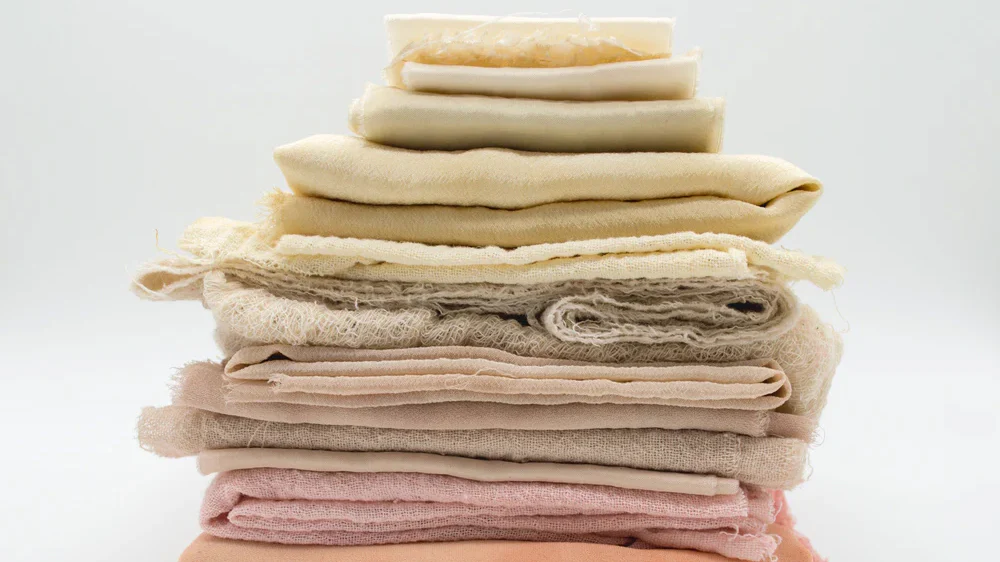
Source: What Fabrics are Good for Sensitive Skin?
People with sensitive skin often focus on skincare products but forget one important thing, fabric. The clothes you wear touch your skin all day, so the wrong fabric or wrong cleaning method can easily cause itching, redness, or rashes.
That’s why knowing the best fabrics to dry-clean if you have sensitive skin really matters.
How Fabric Affects People With Sensitive Skin
Fabric can affect sensitive skin in a few simple ways:
- Rough textures can rub against the skin and cause irritation
- Chemical residue from detergents can stay trapped in fibers
- Tight weaves or heat-washed fabrics can reduce breathability
- Fragrance buildup in clothes can trigger allergies or itching
When these fabrics are not cleaned properly, they become uncomfortable and unsafe for sensitive skin.
Fabrics That Should Be Dry-Cleaned to Avoid Skin Irritation
These fabrics are better dry-cleaned before wearing, especially if you have sensitive skin:
- Silk – very delicate, reacts badly to detergents
- Wool – can feel itchy if not cleaned gently
- Cashmere – traps detergent residue easily
- Rayon – weak in water, holds chemicals
- Linen (fine or blended) – becomes rough with home washing
- Velvet – holds dust and allergens
- Suede or leather trims – unsafe for water washing
- Formal wear and lined clothes – layers trap detergent residue
Dry-cleaning these fabrics helps keep them soft and skin-friendly.
Why Dry-Cleaning Is Safe for Sensitive Skin
Dry-cleaning is safe for sensitive skin because it avoids harsh detergents and strong soaps. It cleans clothes using gentle methods that remove allergens, dust, and buildup without leaving irritating residue behind.
For people with skin allergies, choosing the best fabrics to dry-clean for sensitive skin can reduce itching, rashes, and daily discomfort.
Preventative Tips to Protect Sensitive Skin
- Choose soft, breathable fabrics
- Avoid clothes with strong smells or perfumes
- Skip fabric softeners and dryer sheets
- Wash new clothes or dry-clean them before wearing
- Read care labels before cleaning
- Don’t mix delicate fabrics with heavy detergent washes
- Use dry-cleaning for clothes worn close to skin
Your skin reacts to what touches it every day. Choosing the best fabrics to dry-clean if you have sensitive skin and avoiding harsh washing methods can make your clothes feel safer, softer, and more comfortable. Small fabric choices can make a big difference for sensitive skin.
Can dry- cleaning reduce itching, rashes and fabric friction ?
Source: https://share.google/xVMScGumtfl79YNrx
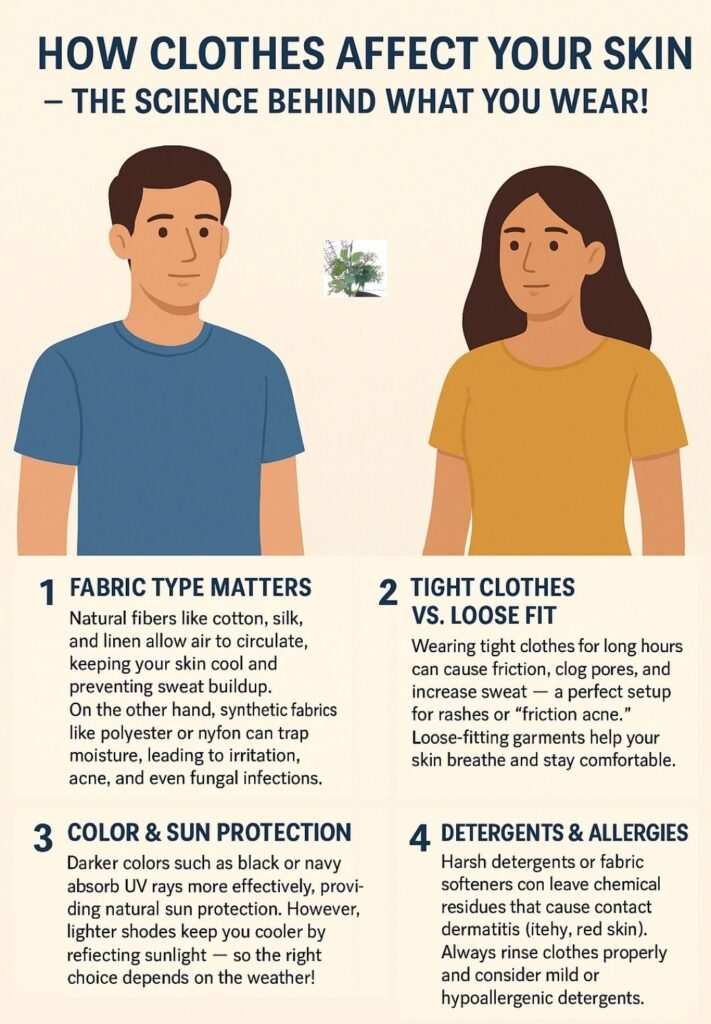
Yes, dry-cleaning can reduce itching, rashes, and fabric friction, especially for people with sensitive skin. If your skin reacts easily, regular home washing may not be enough. Detergents, perfumes, and fabric softeners often stay in clothes and keep rubbing against your skin all day.
This is why people with sensitive skin need to dry-clean their clothes more often, to keep fabrics clean, soft, and free from irritants.
Why People With Sensitive Skin Should Dry-Clean Clothes More Often
Sensitive skin reacts faster to chemicals and rough fabrics. When clothes are washed at home, detergent residue can stay trapped inside the fabric. Over time, this buildup causes itching, redness, and discomfort. Dry-cleaning removes these hidden irritants and keeps clothes gentler on the skin. This makes dry-cleaning for sensitive skin a safer and more comfortable option.
How Dry-Cleaning Helps Sensitive Skin
Reduces Itching
Dry-cleaning removes detergent residue, dust, and sweat that often cause itching. Clean fibers mean less irritation when clothes touch sensitive skin.
Prevents Rashes
By avoiding harsh soaps and fragrances, dry-cleaning lowers the chance of contact rashes and skin flare-ups.
Lowers Fabric Friction
Dry-cleaned clothes stay smoother and softer. This reduces rubbing on the skin, which helps prevent redness and irritation.
Removes Hidden Allergens
Dry-cleaning helps get rid of pollen, bacteria, and dust mites that can trigger skin allergies.
Keeps Fabrics Breathable
Gentle cleaning protects fabric quality, allowing air to flow better and reducing sweat-related irritation.
If clothes make your skin itchy or uncomfortable, the problem may be how they are cleaned. Dry-cleaning for sensitive skin can reduce itching, rashes, and fabric friction while keeping clothes soft and safe. Choosing the right cleaning method can make everyday wear much more comfortable.
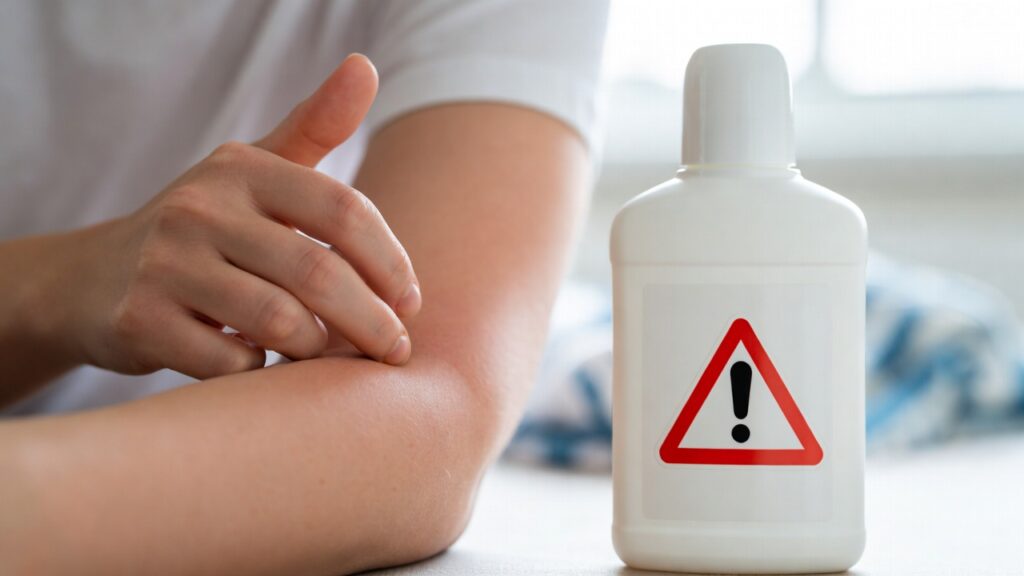
Why does my laundry detergent make my skin itch? – Wash4you explains
Also see: How To Choose The Best Detergent For Laundry
These days, it is very common for people with sensitive skin to feel itchy after wearing freshly washed clothes. Many detergents are made with strong chemicals, perfumes, and additives that stay in the fabric even after rinsing.
When those clothes touch your body all day, they can cause irritation, redness, and itching. This is why many people start looking into the 3 benefits of dry cleaning for sensitive skin instead of regular home washing.
Laundry Detergent Ingredients Sensitive Skin Should Avoid
If you have sensitive skin, avoid detergents that contain:
- Fragrance (perfume) – a major cause of itching
- Dyes – added color that irritates skin
- Optical brighteners – chemicals that stay on clothes
- Sulfates (SLS, SLES) – harsh cleaning agents
- Enzymes – can trigger skin reactions
- Preservatives (MI/MCI) – common allergy triggers
These ingredients are often the reason detergent causes itching and discomfort.
What Is the Best Alternative to Laundry Detergent for Sensitive Skin?
For people who keep getting skin reactions, the best alternative is a cleaning method that does not rely on traditional detergents. This is where dry cleaning helps.
Dry cleaning cleans clothes without harsh soaps, removes allergens, and leaves less residue behind. One of the 3 benefits of dry cleaning for sensitive skin is reduced contact with irritating chemicals, making clothes feel safer and more comfortable to wear.
If laundry detergent keeps making your skin itch, it may not be your skin that’s the problem, it may be how your clothes are cleaned. Many people with sensitive skin feel more comfortable when they switch to professional care like Wash4You, where clothes are cleaned with skin comfort in mind.
FAQ’S
FAQ 1: Why does my skin break out every time I wear my old woolen sweater ?
Old woolen sweaters often hold detergent residue, dust, and allergens deep inside the fabric. Wool can also become rough over time, which rubs against sensitive skin and causes breakouts or itching.
One of the benefits of dry cleaning for sensitive skin is that it removes buildup and softens the fabric, making wool clothes safer and more comfortable to wear.
FAQ 2: Why did I get rashes after wearing a brand new silk shirt?
New clothes often contain factory chemicals, dyes, and finishes that can irritate sensitive skin. Silk is very delicate and easily holds these chemicals. Dry cleaning before wearing helps remove these irritants. This is why people with sensitive skin rely on the 3 benefits of dry cleaning for sensitive skin to avoid rashes from new clothes.
FAQ 3: I have acne-prone skin, can I hand wash my satin pillow covers?
Hand washing satin pillow covers can still leave soap residue, which may trigger acne or skin irritation. Satin also gets rough if not cleaned properly.
FAQ 4: Why do my clothes feel clean but still make my skin itch?
Even when clothes look clean, detergent residue can stay trapped in the fabric. This residue keeps touching your skin all day and causes itching. Understanding the 3 benefits of dry cleaning for sensitive skin helps explain why dry cleaning feels better, it removes hidden irritants that home washing often leaves behind.
Conclusion
Sensitive skin needs more than just good skincare, it needs the right fabric care too. If your clothes often leave you itchy or uncomfortable, switching to professional care can help. Choosing a trusted dry cleaning brand like Wash4You ensures your clothes are cleaned gently, thoughtfully, and with sensitive skin in mind.
Sometimes, small changes in how you clean your clothes unlock the true 3 benefits of dry cleaning for sensitive skin.