- Introduction
- 10 Types of Fabrics That Must Be Dry Cleaned
- Fabric Care Tips by Material
- How to Clean Clothes You Cannot Wash at Home
- Ironing – A Simple Step to Boost Your Personal Style
- Care Labels – How to Read Them the Right Way
- FAQs
Introduction
Well-kept clothes give you the same kind of happiness: confidence, comfort, and that “I feel amazing” feeling. By knowing which fabrics need dry cleaning, you can keep your favorite pieces looking and feeling their best, every single time you wear them.
Your wardrobe is filled with stories, the dress you wore to that special celebration, the suit that helped you land an important opportunity, the cozy sweater passed down through generations. Each piece deserves care that honors both its material composition and the memories woven into its fibers. Yet standing in your closet, you might wonder: which of these treasured garments actually needs professional dry cleaning, and which can handle home washing?
Knowing how to care for your clothes comes with big perks.
Longer-lasting clothes – Your favorite outfits stay in great shape for years.
Save money – Avoid replacing clothes too soon because they’re ruined.
Look your best – Clothes that are cared for always look neat, fresh, and polished.
Boost confidence – Wearing well-kept outfits makes you feel good and ready for anything.
Prevent mistakes – You’ll know what fabrics need special care and which ones can be washed at home.
Eco-friendly choices – Caring for clothes properly reduces waste and keeps fabrics from unnecessary damage.
Stress-free cleaning – You’ll spend less time worrying about ruining delicate garments.
This guide shows you which fabrics need dry cleaning to keep them looking great, holding their shape, and lasting longer. It helps you make smart choices that protect both your clothes and your wallet.
10 Types of Fabrics That Must Be Dry Cleaned
Not all fabrics react the same way to water and scrubbing. Some need a gentler approach, using special solvents that only professional dry cleaners can provide. Here are ten fabrics that should be dry cleaned to keep them looking and feeling their best.
Source: https://share.google/pn1RHEBAEEEccIp7B
1. Silk
Water can be tricky for silk. Colors may bleed or fade, the fabric can lose its smooth shine, and it might shrink, pucker, or get water spots that don’t come out. Home washing can easily damage it. Professional cleaners use special solvents that clean silk gently without causing swelling or damage.
They know how to handle different types of silk, from soft charmeuse to structured dupioni. They can prevent color bleeding and bring back its natural shine, making the fabric look as beautiful as the day you bought it.
2. Wool
Wool is warm and naturally water-resistant. But it’s delicate when washed. When water, heat, and agitation combine, the scales on the fibers lock together. This is called felting.
Wool suits, coats, sweaters, and trousers do best with dry cleaning. It cleans gently without causing felting.
Professional cleaners keep wool soft and springy. They remove wrinkles and refresh its shape without using damaging heat or moisture. Quality wool garments are an investment. Proper dry cleaning helps them last for years.
3. Cashmere
Cashmere, often called “soft gold,” comes from the fine undercoat of goats. Its fibers are thinner than wool, giving it a soft, luxurious feel, but also making it delicate.
It can stretch, pill, or shrink if handled wrong. Water washing can ruin its softness, and it soaks up sweat and oils easily.
Dry cleaning keeps cashmere soft and in shape. Gentle solvents clean it thoroughly, while finishing techniques restore its natural drape and fluff.
4. Velvet
Velvet gets its soft, shiny look from a dense pile, tiny fibers standing upright. True velvet often uses silk, acetate, or rayon, though cotton and synthetic versions exist. This pile makes velvet very sensitive to water.
Water can flatten the pile, shrink the fabric, or leave stubborn spots and marks. Velvet can also get crushing marks that show up as lighter or darker patches.
Dry cleaning is the safest way to keep velvet plush and rich-looking. Professionals know how to handle the pile without crushing it. They use gentle solvents, steam, and brushing techniques to restore the fabric’s texture. Different types of velvet, like silk versus cotton, need different care, and cleaners know exactly what to do.
5. Suede and Leather
Suede and leather come from animal hides but are made differently. Leather uses the outer grain, while suede comes from the soft underside. Both need specialized cleaning that home washing can’t handle. You’ll find these materials in jackets, shoes, handbags, belts, and gloves.
Water is the enemy. It can stiffen, shrink, or stain the material. Leather can lose its natural oils and become brittle, while suede’s nap can mat.
Professional dry cleaning uses gentle solvents and special techniques. Suede gets brushed to restore the nap, and leather can be conditioned to stay soft.
6. Rayon
Rayon is a semi-synthetic fabric made from natural cellulose like wood pulp, processed with chemicals. It can mimic silk’s drape and shine but is more affordable. You’ll find rayon in blouses, dresses, scarves, and linings.
Rayon doesn’t like water. Wet fibers lose strength, making the fabric prone to stretching, tearing, or shrinking, sometimes up to 10%. It also wrinkles easily, and wet wrinkles are hard to remove without damage.
Dry cleaning keeps rayon safe. Gentle solvents clean without weakening the fibers, and professional pressing techniques smooth the fabric without risk. For rayon garments, dry cleaning is the safest choice.
7. Acetate
Acetate is a synthetic fiber made from cellulose acetate. It looks like silk, with a beautiful drape and sheen, and is often used for evening wear, blouses, and linings.
Acetate is sensitive to water, heat, and chemicals. Water can shrink it, ruin its shape, or leave permanent wrinkles. Wet fibers are weak, making the fabric prone to tearing or stretching. Heat is dangerous too, acetate can melt at low temperatures, so ironing or machine drying is a no-go. Even some perfumes or nail polish removers can damage it.
Professional dry cleaning keeps acetate safe. Cleaners use gentle solvents and minimal heat during finishing. They know how to handle acetate carefully, preserving its elegant look and drape.
8. Linen
Linen, made from flax fibers, is one of the oldest textiles. It’s breathable, crisp, and perfect for summer, often used for shirts, dresses, suits, and jackets.
Linen wrinkles easily and can become stiff or lose shape when washed with water. Structured pieces, like tailored suits or jackets, can be damaged by home washing, and repeated water exposure can weaken the fibers.
Dry cleaning preserves linen’s structure and crisp appearance. Professional pressing gives it a fresh, just-pressed look that’s hard to achieve at home. For tailored linen garments, dry cleaning keeps the fit and shape intact.
9. Taffeta
Taffeta is a crisp, smooth fabric with a slight sheen and a soft rustling sound. Traditionally made from silk, modern taffeta often uses polyester or acetate. It’s commonly found in evening gowns, skirts, and formal wear.
Taffeta is sensitive to water. Water can ruin its crispness, leave permanent spots or rings, and damage the fabric’s sheen. Uneven drying can create visible marks, and the tight weave makes water damage more likely.
Professional dry cleaning preserves taffeta’s crisp texture and subtle shine. Cleaners use proper pressing techniques to restore its body. For special occasion garments, dry cleaning is essential.
10. Structured and Embellished Garments
Some clothes need dry cleaning no matter what fabric they’re made of. Structured pieces like jackets with padding or collars, and garments with beads, sequins, embroidery, or mixed materials, can get damaged in the washing machine.
The hidden interfacing that gives collars and lapels their shape can shrink or bubble when wet. Beads and sequins can come off, and mixed fabrics need special care so each part stays safe.
Dry cleaning keeps your clothes looking and fitting their best. Professionals know how to protect the structure and take care of decorations, so your beads, sequins, and embroidery stay in place.
Fabric Care Tips by Material
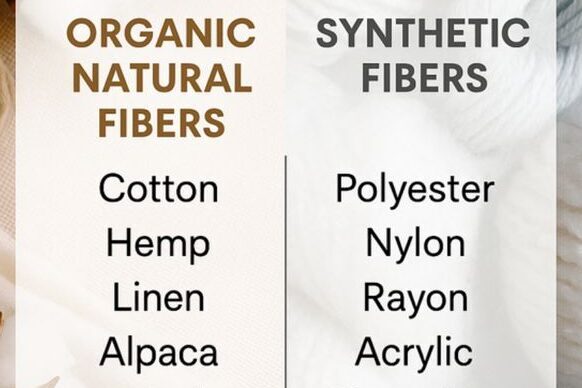
Knowing the basics of fabric care helps you keep your clothes looking good between dry cleanings and make smart choices about how to care for each piece.
Natural Protein Fibers (Silk, Wool, Cashmere)
These fabrics need a little extra care. Between professional cleanings, try these tips:
Source: https://in.pinterest.com/pin/132011832823979753/
- Air out clothes after wearing instead of putting them away right away. Let them hang in a well-ventilated space to get rid of moisture and odors.
- Use padded or wide hangers to avoid shoulder marks on knits and structured pieces.
- Brush gently with a soft brush to remove dust and lint. This helps you go longer between cleanings.
- Fold instead of hang when possible, especially knits, to prevent stretching.
- Store in breathable bags for long-term storage. Avoid plastic, which traps moisture and can cause mildew.
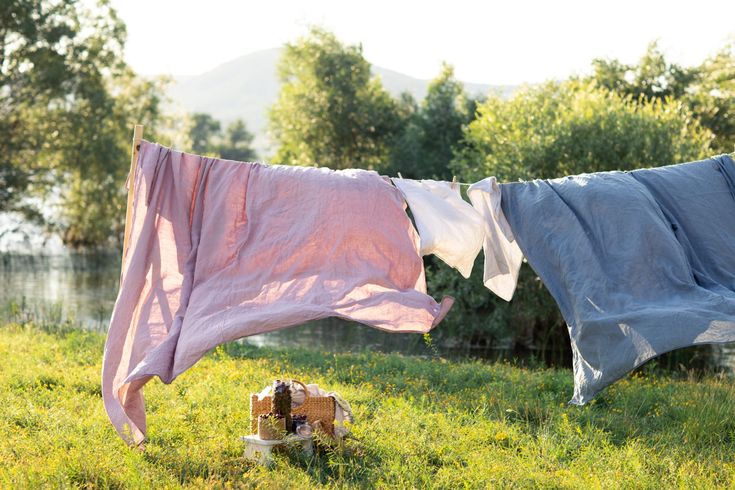
Natural Plant Fibers (Linen)
Linen wrinkles easily, so prompt care helps. Try these tips:
Source: https://in.pinterest.com/pin/4593108784209574144/
- Hang in a steamy bathroom after wearing to naturally relax small wrinkles.
- Store on hangers or roll garments instead of folding tightly to reduce creases.
- Iron with steam if needed, using the right setting and slightly damp fabric for best results.
Synthetic and Semi-Synthetic Fibers (Rayon, Acetate)
These fabrics need gentle handling and protection from heat. Follow these tips:
Source: https://share.google/bDn9DbRcajbzjrqIo
- Store away from sunlight to prevent fading and weakening of fibers.
- Handle carefully—rayon can tear or snag easily if stressed.
- Treat stains gently by blotting immediately. Never rub, as this can damage the fibers.
Pile Fabrics (Velvet)
Velvet needs special attention to keep its soft pile looking good:

- Hang on padded hangers—never fold, to avoid permanent crush marks.
- Restore crushed pile by holding the fabric over steam (without touching) and gently brushing with a soft brush.
- Store in breathable cotton garment bags to keep dust off and prevent moisture buildup.
Leather and Suede
Leather and suede need gentle care to stay looking good:

- Keep away from heat and extreme temperature changes to prevent drying and cracking.
- Clean leather with a slightly damp cloth and dry right away.
- Brush suede with a specialized suede brush to maintain its soft nap.
- Condition leather occasionally to keep it supple. Test first in a hidden spot.
How to Clean Clothes You Cannot Wash at Home
When your clothes need dry cleaning, following the right steps helps keep them in great condition.
Preparing Garments for Professional Cleaning
Before taking clothes to the dry cleaner, check all pockets and remove any items. Point out stains or spills, and explain what caused them if you know.
This helps the cleaner choose the right treatment. Also, note any existing damage like loose buttons, small tears, or weak seams, so there’s no confusion about whether it happened during cleaning.
Fasten all buttons, zippers, and hooks to help garments keep their shape and prevent stress on the fabric. For suits, bring the jacket and trousers together, even if only one piece looks soiled. Cleaning them separately over time can cause slight color differences.
Choosing a Quality Dry Cleaner
Not all dry cleaning services are the same. Look for cleaners with expertise in handling delicate fabrics and complex garments. Ask about their cleaning methods and equipment. Modern machines with closed-loop systems are best.
A quality cleaner will inspect garments carefully, discuss any concerns, and set realistic expectations for stain removal.
For busy lifestyles, services like Wash4You offer pickup and delivery, making professional dry cleaning easier than ever. This convenience ensures your fabrics that need dry cleaning get the proper care. The key is finding a service that combines quality and ease, protecting your garments while fitting seamlessly into your schedule.
Understanding the Dry Cleaning Process
Professional dry cleaning is more than just washing clothes. Cleaners first look over your garments and treat any stains. Then the clothes go through a gentle cleaning process. After that, items are dried, pressed, and finished depending on the fabric.
Good cleaners pay attention to small details, like collars, pleats, and seams. They may also do minor fixes, like tightening loose buttons or mending tiny tears. This careful approach is what makes professional dry cleaning different from a simple freshening up.
Ironing – A Simple Step to Boost Your Personal Style
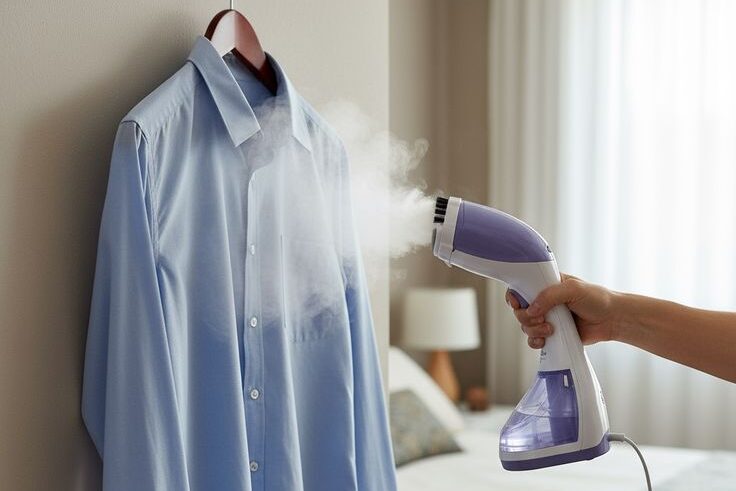
Between professional cleanings, proper ironing maintains your garments’ polished appearance and extends time before they need another trip to the cleaner. Mastering basic ironing techniques elevates your entire wardrobe’s presentation.
Source: https://in.pinterest.com/pin/768356386470131895/
Understanding Iron Settings
Your iron’s temperature settings correspond to different fabric tolerances. Synthetic fabrics like polyester and acetate require low heat to prevent melting or glazing. Silk and wool need medium heat, while linen and cotton can handle higher temperatures. Always check the garment’s care label for specific guidance, the iron symbols with dots indicate maximum safe temperatures.
Proper Ironing Techniques
Start with items requiring lower temperatures and work up to higher heat settings, allowing the iron to cool between temperature changes. Use distilled water in your iron to prevent mineral deposits that can leave spots on garments. For delicate fabrics, iron on the wrong side or use a pressing cloth to protect the surface from direct heat.
Move the iron in smooth, continuous strokes following the fabric’s grain. Avoid circular motions that can stretch fabric. For structured garments, press rather than pushing the iron across the fabric, lift, press down, lift again. Pay special attention to collars, cuffs, and seams where wrinkles tend to set.
Steam vs. Dry Heat
Steam helps relax stubborn wrinkles and is particularly effective on natural fibers. However, some fabrics respond better to dry heat. Silk often shows water spotting from direct steam application, for silk, hover the steaming iron slightly above the fabric or use a press cloth. Velvet should never be directly ironed but can be refreshed by holding it pile-side down over steam.
For everyday maintenance, a quality garment steamer offers gentler wrinkle removal than pressing. Steaming works well for hanging items and reduces the risk of creating shine marks on delicate fabrics. It’s particularly useful for refreshing fabric that need dry cleaning between professional services.
Care Labels – How to Read Them the Right Way
Those small fabric care labels on your clothes are important. Many people ignore them or find them confusing. Reading them helps protect your clothes and make smart care choices.
Understanding the Symbol System
Care labels use standard symbols in a set order: washing, bleaching, drying, ironing, and dry cleaning. These symbols provide clear instructions, no matter where the garment was made.
- The washtub symbol shows how to wash the item.
- A plain tub means machine wash is safe.
- A hand inside the tub means hand wash only.
- An X through the tub means don’t wash. Use professional cleaning.
- Numbers or dots inside the tub show the maximum water temperature.
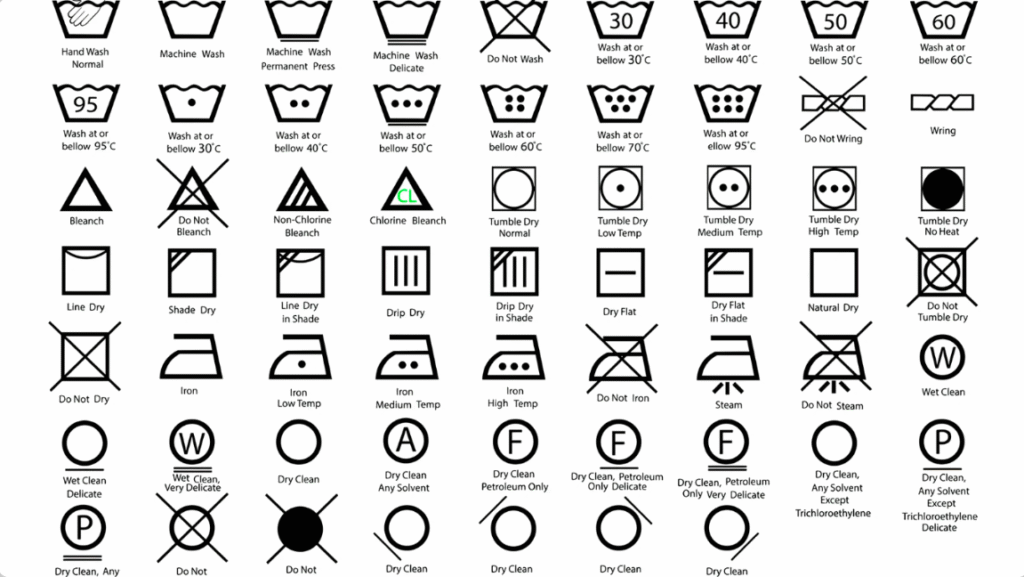
Source – https://trybluewater.com/cdn/shop/articles/Laundry_Symbol_Meanings.png?v=1728933204&width=1600
Lines beneath the tub indicate the wash cycle:
- No lines = normal
- One line = permanent press
- Two lines = delicate
Bleaching Symbols
- A triangle shows bleaching instructions.
- An empty triangle allows any bleach.
- A triangle with two diagonal lines allows only oxygen (non-chlorine) bleach.
- An X through the triangle means no bleaching.
- These symbols help prevent color loss and fabric damage from the wrong bleach.
Drying Instructions
- The square symbol shows drying instructions.
- A circle inside the square means tumble drying is allowed.
- Dots inside the circle indicate heat level:
- One dot = low
- Two dots = medium
- Three dots = high
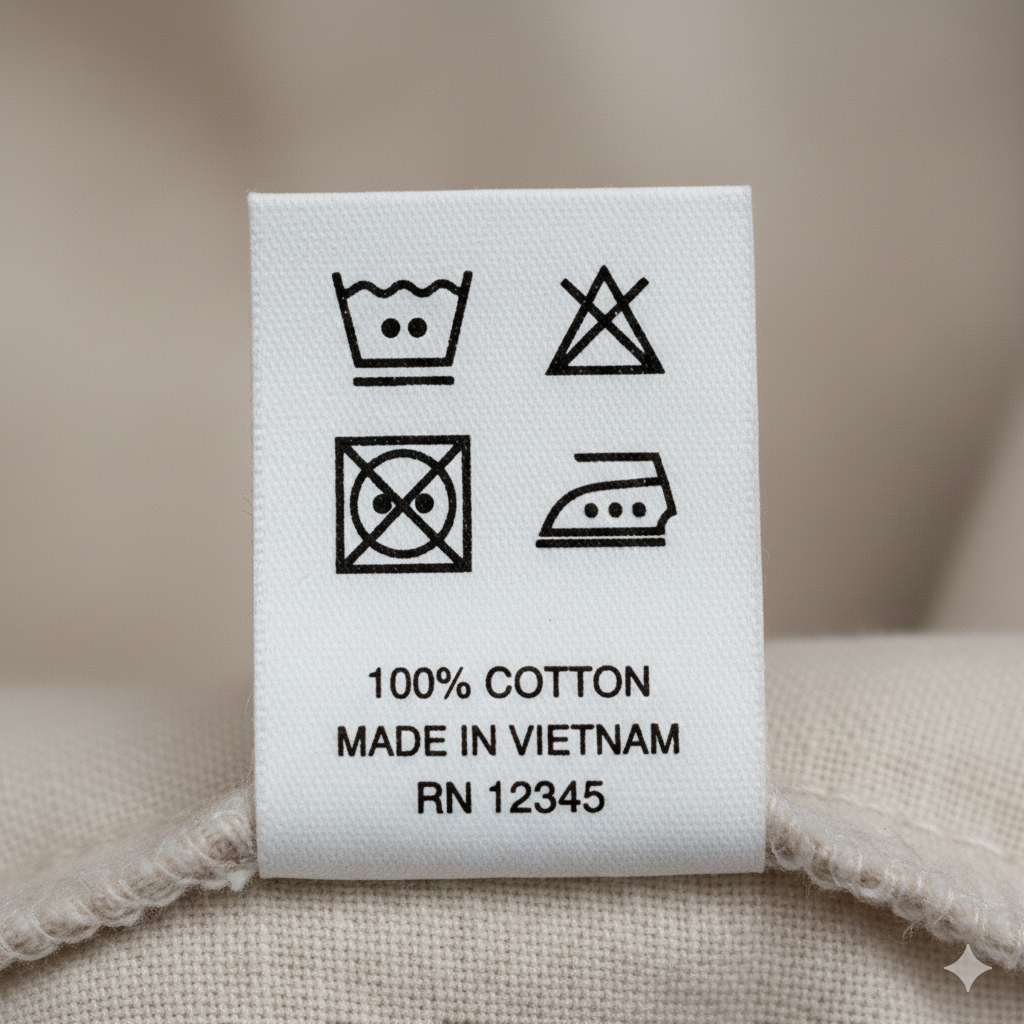
An X through the square means no machine drying.
- Lines inside the square show air-drying methods:
- Horizontal line = lay flat
- Vertical line = hang to dry
- Diagonal lines = drip dry
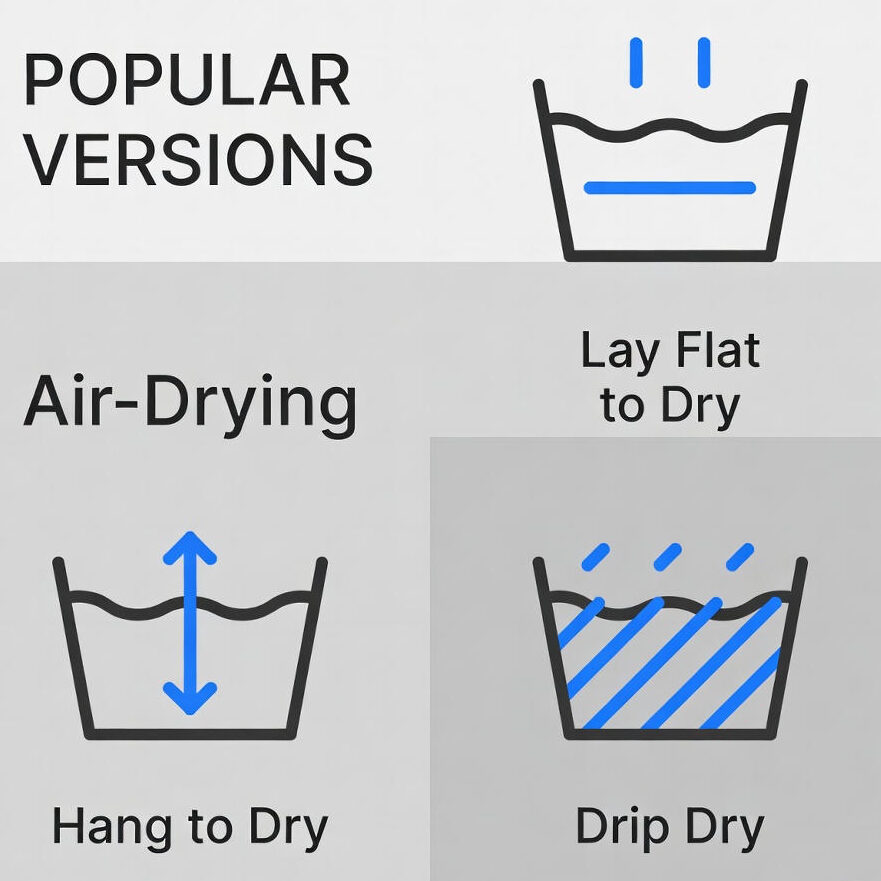
Ironing Guidance
The iron symbol shows if and how you can iron.
Dots inside the iron indicate maximum safe temperature:
- One dot = low heat (synthetics)
- Two dots = medium heat (silk, wool)
- Three dots = high heat (cotton, linen)
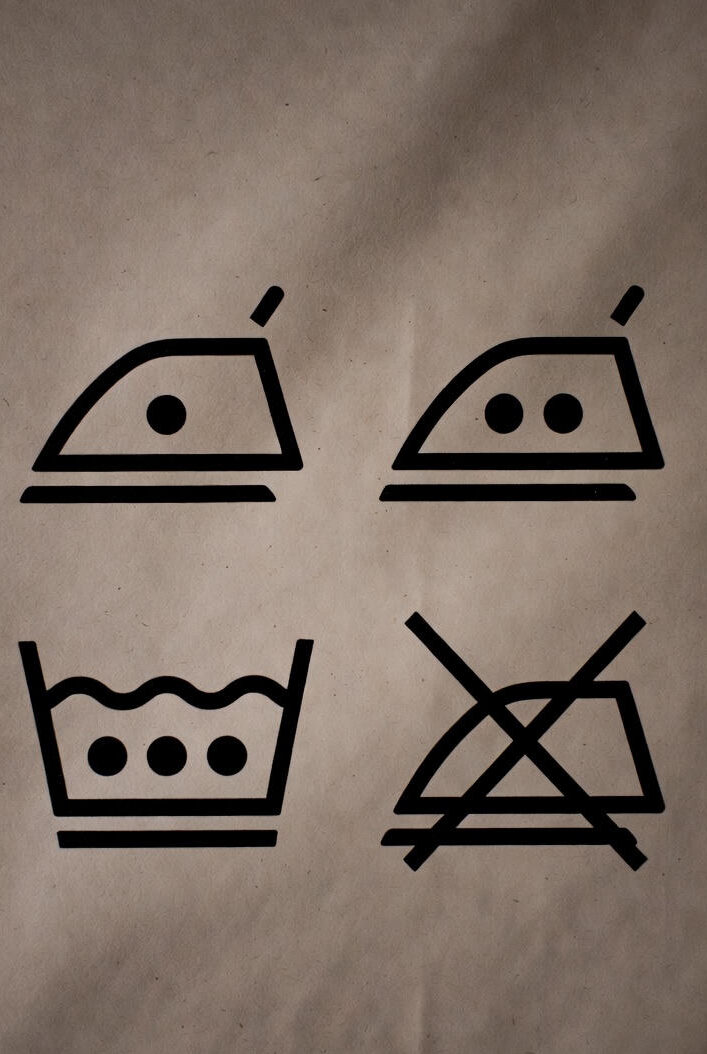
An X through the iron means do not iron.
Steam lines show whether steam is recommended.
Dry Cleaning Indicators
- A circle shows the item should be professionally dry cleaned.
- Letters inside the circle tell the cleaner which solvents to use:
- P = petroleum-based solvents
- F = specific fluorocarbon solvents
- A = any solvent
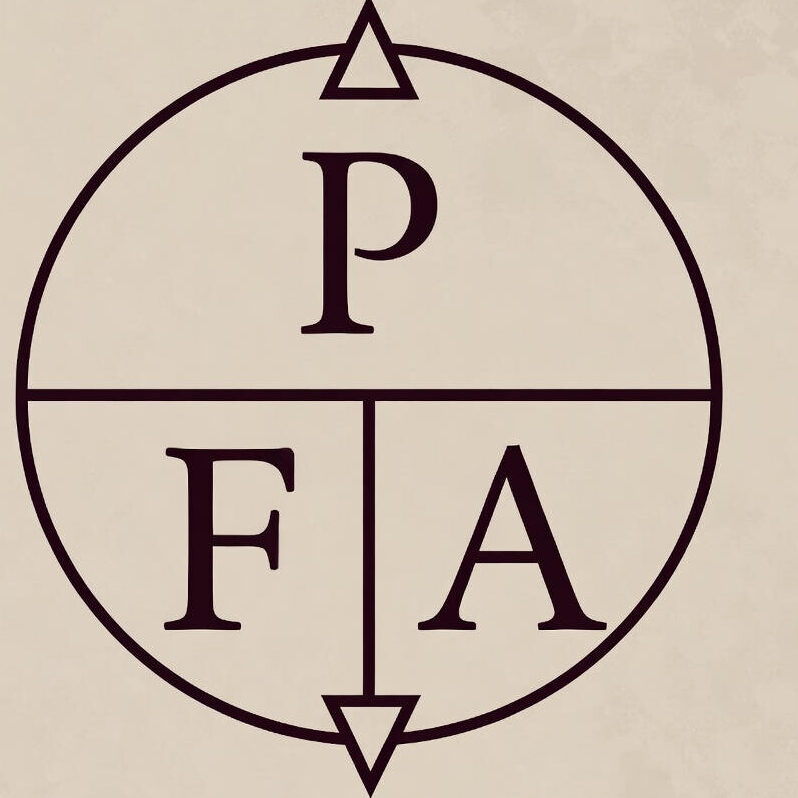
- Lines beneath the circle indicate gentle or very gentle handling is needed.
- An X through the circle means do not dry clean, usually for items with coatings or finishes that solvents could damage.
FAQs
1. Can I hand wash “dry clean only” clothes?
Sometimes, but carefully. “Dry clean only” is safest. Some fabrics can be hand washed with cold water. Test a hidden spot first. For valuable or structured clothes, professional dry cleaning is best.
2. How often should I dry clean a wool suit?
Every 3–5 wears. In hot, humid, or smoky places, clean more often. Brush and air your suit after wearing. Clean small stains quickly. Don’t over-clean, it can wear the fabric.
3. Why does silk get water spots?
Water spots happen when silk is cleaned or dried the wrong way. Professional dry cleaning uses special liquids instead of water. Take the item back quickly, fresh spots can often be fixed.
4. How is leather different from suede cleaning?
Leather can be wiped clean. Suede is soft and needs special brushing. Suede stains easily. Professional cleaners handle each type properly.
5. Can dry cleaning remove all stains?
No. Dry cleaning works best on oil-based stains like grease. Water-based stains like coffee or juice may need extra care. Act quickly for best results.
6. Is dry cleaning safe for the environment?
Yes. Modern professional dry cleaning uses safer liquids like liquid CO₂ or silicone-based cleaners. Many cleaners recycle the liquids. Look for eco-friendly services like Wash4You Eco Friendly Laundry and Dry Cleaners.
7. How can I care for clothes between dry cleanings?
Air clothes after wearing. Brush wool and cashmere. Store in breathable bags. Handle delicate fabrics like silk, rayon, and acetate gently.
8. Can I hand wash structured garments?
No. Suits, jackets, and padded coats can be damaged by water. Professional dry cleaning is safest.
9. How do I read fabric care labels?
Labels show washing, bleaching, drying, ironing, and dry cleaning instructions. Following them keeps clothes safe.
10. How do I treat minor stains at home?
Blot gently with a clean cloth. Don’t rub. Test a small hidden spot first. If unsure, take it to a professional dry cleaner.