- Introduction
- Why Certain Fabrics Should Be Dry Cleaned Instead of Home Washing
- What Are Different Types of Dry Cleaning Methods
- How Often Should You Get Your Clothes Dry Cleaned
- Common Myths About Dry Cleaning
- Some Garments Need Prep Before Handing Over to the Dry Cleaners—Here’s How
- Common Mistakes to Avoid If You Are Doing DIY Dry Cleaning at Home
- How to Choose an Eco-Friendly Dry Cleaning Service
- Takeaway

Introduction
Taking care of delicate clothes goes beyond simple washing. Dry cleaning uses different methods to protect fabrics, preserve colors, and maintain structure. This guide explains the main types of dry cleaning methods, why certain fabrics need professional care, how often to clean garments, and tips for choosing eco-friendly services. Whether you wear silk, wool, or tailored suits, understanding these methods helps you keep your wardrobe looking its best.
Why Certain Fabrics Should Be Dry Cleaned Instead of Home Washing
Delicate Natural Fibers
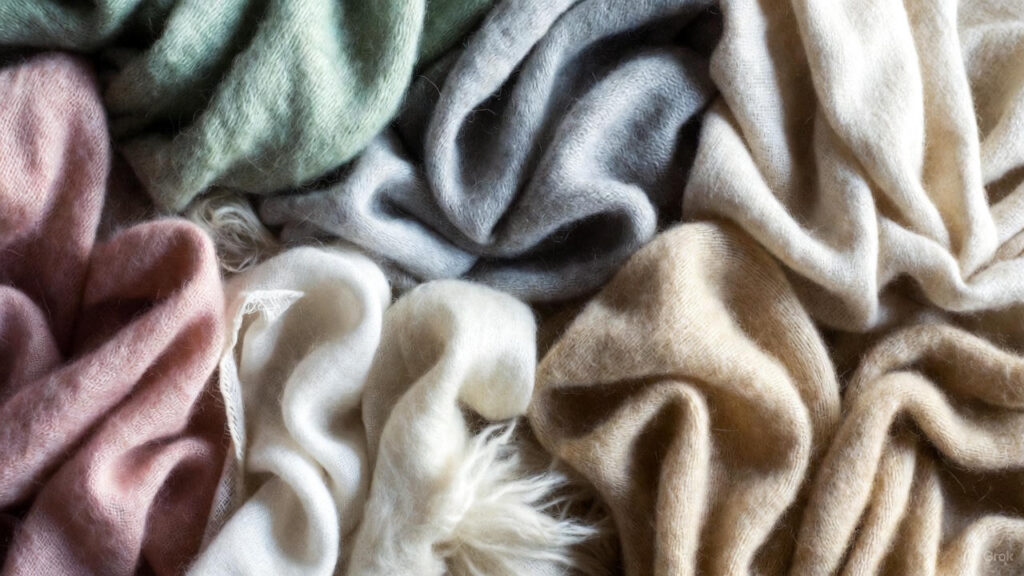
Silk, wool, and cashmere are delicate natural fabrics. Water and rough washing can harm them. Silk may lose its shine and look dull. Wool can shrink a lot. What fits today might feel too tight tomorrow. The fibers can also mat together, making the garment stiff and smaller.
Structured Garments
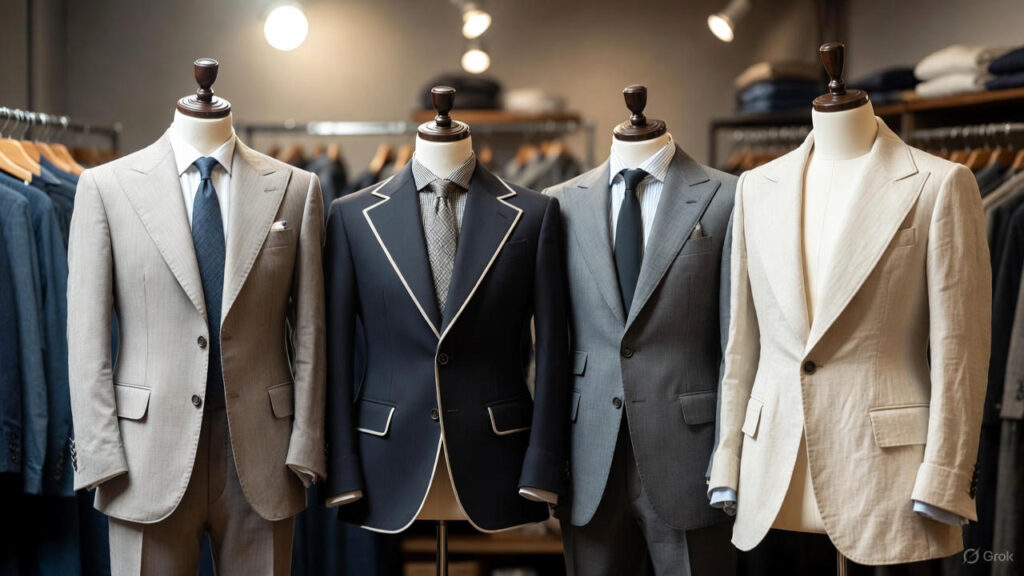
Suits, blazers, and tailored dresses have structured designs with padding, interfacing, and careful stitching. Water can make these parts warp, separate, or lose shape. The precise construction that gives a suit its sharp look cannot handle the rough action of a washing machine.
Embellished Items
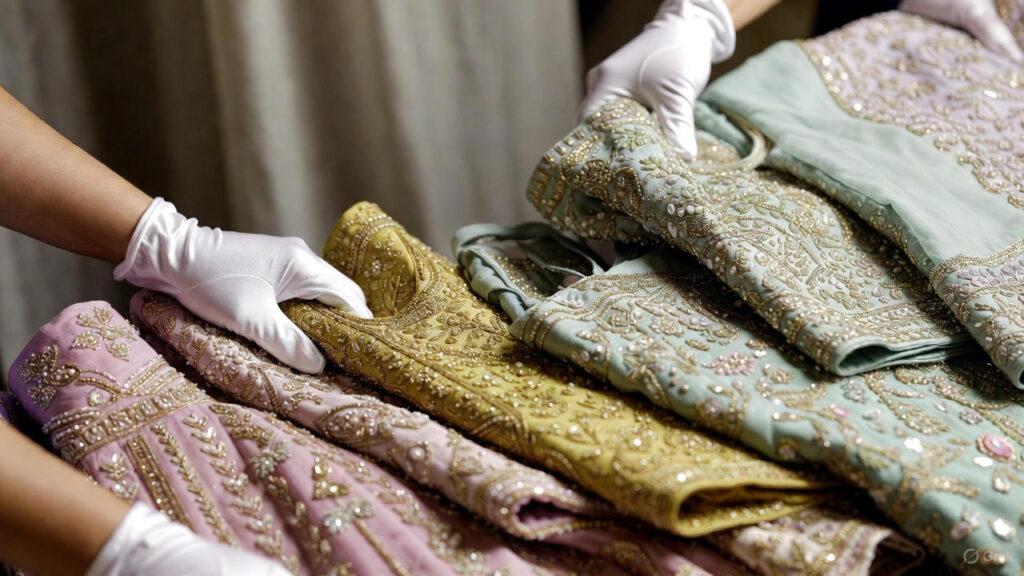
Clothes with beads, sequins, lace, or embroidery need extra care. Washing machines can damage or loosen these decorations, and some may even fall off. Dry cleaning gives these special garments the gentle, controlled treatment they need.
Fabrics Prone to Bleeding
Some dyes do not react well to water. Fabrics like rayon, acetate, and certain blends can bleed or fade when washed at home. Professional dry cleaning uses special liquids instead of water, helping colors stay true and garments look the same as when you bought them.
The main difference is how fabrics react to the cleaning process. Water makes fibers swell and can cause shrinking. Dry cleaning solvents work without changing the fabric’s structure, which makes them safer for delicate materials.
What Are Different Types of Dry Cleaning Methods
Dry cleaning uses more than one method. Each option has its own benefits. Knowing the different types of dry cleaning methods helps you choose the right care for your clothes.
1. Perchloroethylene (Perc) Dry Cleaning
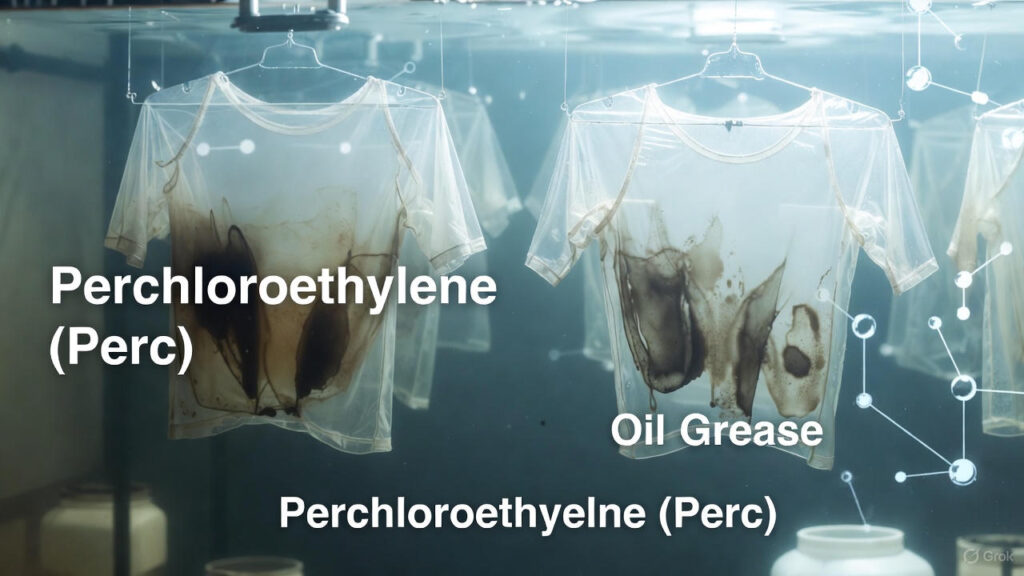
Perchloroethylene, also called perc, has been widely used since the 1930s. It became popular because it cleans very well and is not flammable.
How It Works
Perc is a liquid used to clean clothes without water. It removes oil and grease well. Clothes sit in it for a short time. Then they are dried, and the liquid is collected and reused.
Advantages
Perc is very effective at removing tough grease and oil stains. Water cleaning often cannot handle these stains.
Perc also works fast.
It does not cause fabrics to shrink or colors to bleed, so it is safe for most clothes. Because it is efficient and affordable, many dry cleaners still use this method.
Considerations
There are health and environmental concerns around perc. It is considered a harmful chemical and can pollute groundwater. Because of this, its use is more restricted today, especially in residential areas. Newer machines reuse the liquid in closed systems, which helps reduce harmful emissions.
2. Hydrocarbon Solvent Dry Cleaning
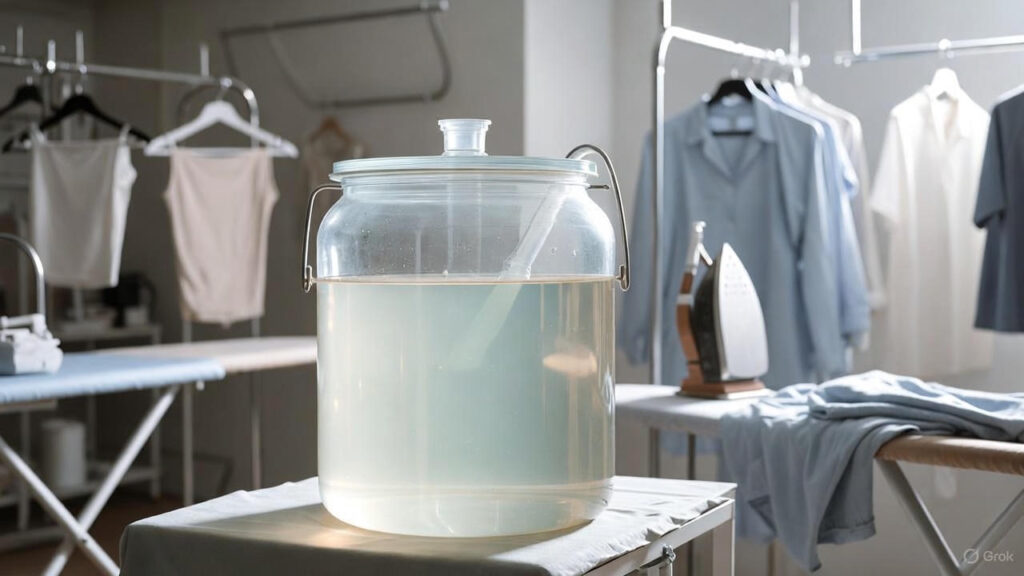
Hydrocarbon solvents are a popular alternative to perc. They come from petroleum and are used by many modern dry cleaners. Some common names include DF-2000 and Stoddard solvent.
How It Works
Hydrocarbon solvents clean clothes in a way similar to perc. The process just takes longer. These liquids work more slowly to break down dirt and oil. The extra time helps the solvent move through the fabric and clean it gently.
Advantages
Hydrocarbon cleaning is gentler on clothes than perc. It helps reduce color fading and fabric damage, which makes it good for delicate items. These solvents also have less smell, so clothes come out fresher. Another plus is that they use lower heat while drying, which saves energy.
Considerations
These petroleum-based solvents raise environmental concerns due to their origin as fossil fuel derivatives. While less toxic than perc, hydrocarbons are still volatile organic compounds that contribute to air pollution. Some cleaners market hydrocarbon methods as “organic” cleaning, which can be misleading since the term refers to carbon-based chemistry rather than environmental friendliness.
3. Liquid Carbon Dioxide (CO₂) Cleaning
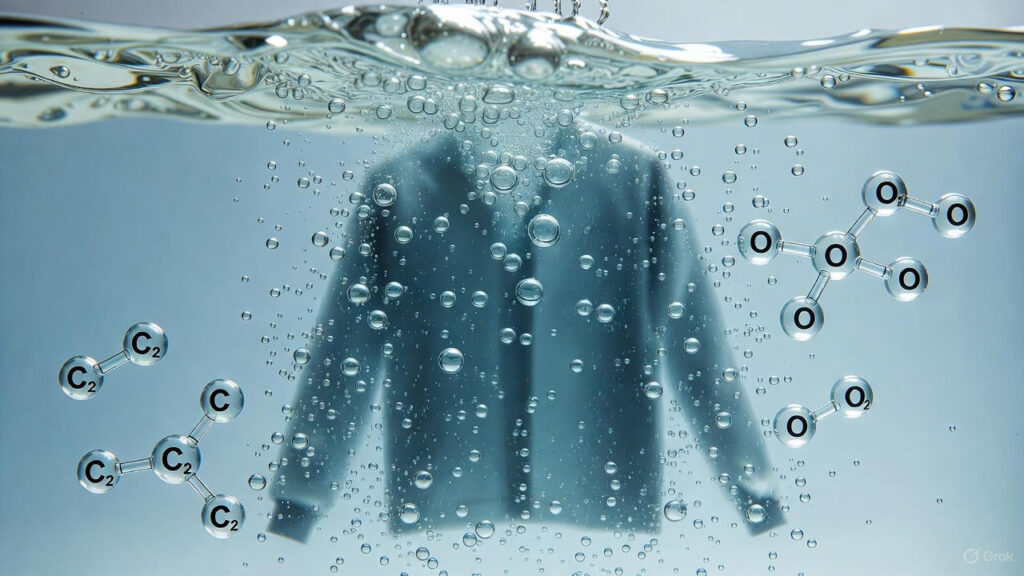
Liquid CO₂ cleaning is one of the most modern and eco-friendly type of dry cleaning methods. It uses recycled carbon dioxide instead of harsh chemicals.
How it works
Carbon dioxide is turned into a liquid using pressure. Clothes are cleaned in this liquid along with mild cleaning agents. The CO₂ moves through the fabric and removes dirt and oils. After cleaning, the CO₂ is collected and reused.
Advantages
This method is non-toxic and non-flammable. It does not create new greenhouse gases. It also uses much less water and energy. Clothes come out clean with no chemical smell, and the process is gentle on all fabrics.
Things to consider
The main downside is cost. The machines are very expensive, so not many dry cleaners offer this method yet. This can make it harder to find and slightly more costly for customers.
4. Silicone-Based (GreenEarth) Cleaning
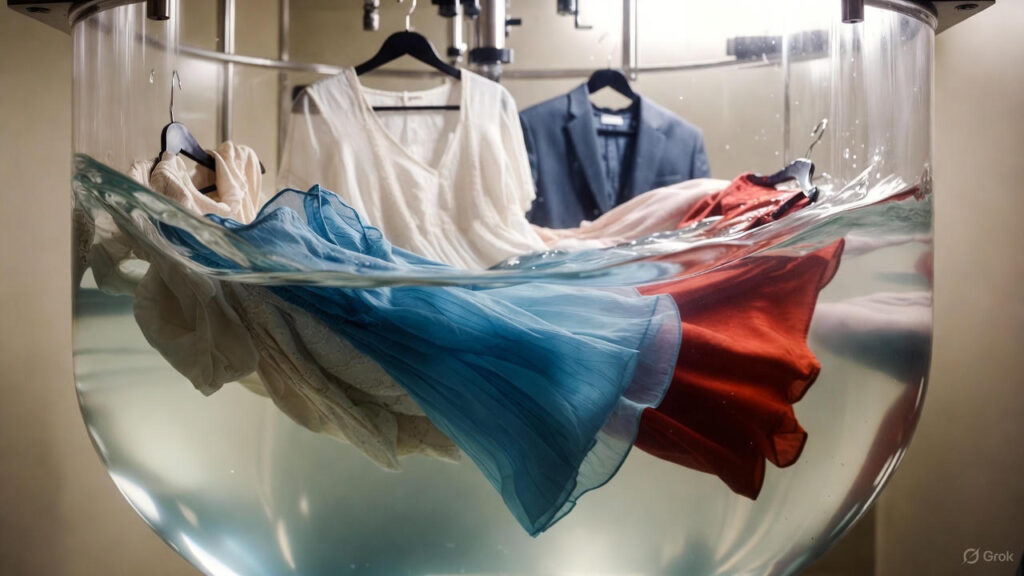
Silicone-based cleaning, also known as GreenEarth, uses a liquid made from sand. It is often seen as a more eco-friendly dry cleaning option.
How it works
This method uses a liquid silicone called D5. The liquid moves easily through fabric and gently lifts away dirt. It does not react with the fabric or dyes, so colors stay safe.
Advantages
D5 breaks down into sand, water, and carbon dioxide, which are harmless. It is gentle enough to be used in personal care products. This method helps prevent color bleeding, reduces shrinkage, and protects delicate details like beads or embroidery. Clothes come out clean with no chemical smell.
Things to consider
GreenEarth cleaning can cost more because it needs special equipment and licensing. It may not remove heavy grease as well as perc. While it is considered safer, some studies still look at how long D5 stays in the environment.
5. Professional Wet Cleaning
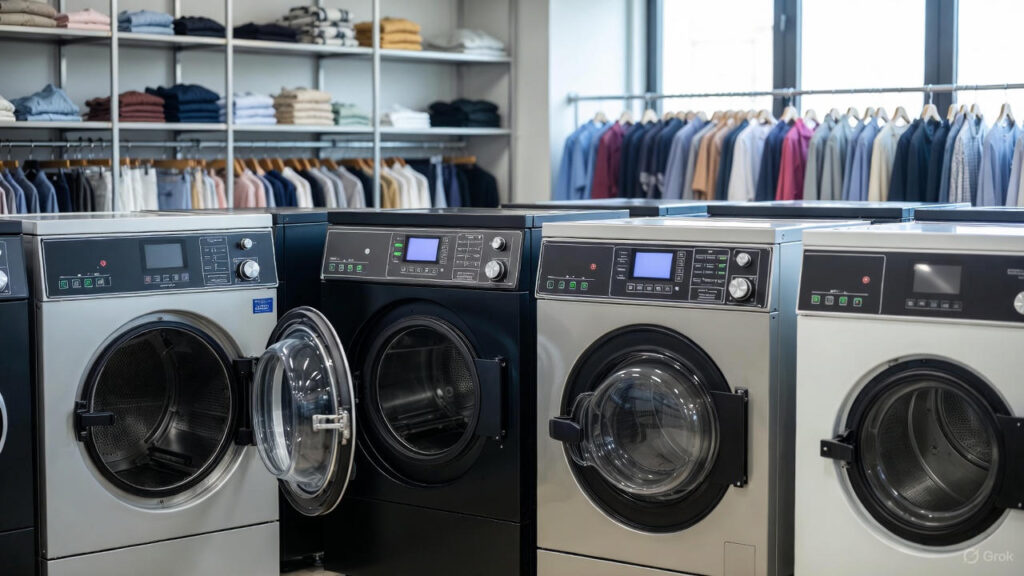
Professional wet cleaning is an alternative to dry cleaning. Even though it uses water, it is very different from washing clothes at home.
How it works
Clothes are cleaned using special machines controlled by computers. These machines move gently and use very mild detergents. Water levels and temperature are carefully controlled. After washing, clothes are dried using sensors that stop the process before shrinking or damage can happen.
Advantages
This method uses no toxic chemicals and creates no harmful waste. It is considered one of the most eco-friendly cleaning options available. There is no strong smell, no air pollution, and very little impact on water or soil.
Things to consider
Wet cleaning does not suit every fabric. Some garments still need solvent-based cleaning. The process also needs skilled professionals to choose the right settings, and it can take more time than regular dry cleaning.
How Often Should You Get Your Clothes Dry Cleaned

Finding the right dry cleaning schedule is about balance. Cleaning clothes too often can wear out the fabric and increase costs. Waiting too long can let stains set and odors sink in. The goal is to clean your clothes often enough to keep them fresh, but not so often that you damage them.
Business Suits and Formal Wear
- Work suits should be dry cleaned after every three to four wears.
- Since they don’t touch skin directly, they stay cleaner longer.
- Suits worn only for special events may need cleaning just once or twice a year.
- Tuxedos and formal dresses usually need cleaning after each use because of sweat, food, or makeup exposure.
Fabric-Specific Guidelines
- Wool suits resist stains naturally thanks to a waxy coating on the fibers.
- Wool suits can usually be worn three to five times before needing a dry clean; wool sweaters may last even longer.
- Silk blouses and garments should be dry cleaned after every one to two wears because silk absorbs sweat easily.
- Cashmere requires cleaning every two wears to maintain softness and shape.
- Linen suits should be dry cleaned every three to four wears to keep their crisp look.
Influencing Factors
- The environment affects how often clothes need cleaning. Hot, humid weather or polluted cities mean more frequent dry cleaning.
- Exposure to sunlight, cigarette smoke, and cooking odors also increases cleaning needs.
- How long you wear a garment matters. A full-day outdoor event calls for immediate cleaning, while a short indoor meeting may not.
- Visible stains or odors are clear signs it’s time to clean.
- Sweat, especially under the arms, contains ammonia that can yellow and weaken fibers over time.
- Act quickly on stains—natural fabrics like wool and cotton absorb stains more the longer they sit, making them harder to remove.
Between-Cleaning Maintenance
- Proper care between cleanings helps clothes last longer and reduces how often you need professional service.
- Brush suits with a soft-bristle brush after each wear to remove dirt and dust.
- Air garments in a well-ventilated space before storing them.
- Use wooden or padded hangers to maintain shape and prevent stretching.
- Steam clothes between wears to refresh fabric and remove wrinkles without chemicals.
- Blot minor spills immediately with a clean cloth to prevent stains from setting.
Common Myths About Dry Cleaning
Image source: https://in.pinterest.com/pin/29836416270111114/
Dry cleaning myths can be confusing. Knowing the facts helps you take better care of your clothes and avoid unnecessary mistakes.
Myth 1: Dry Cleaning Uses No Liquid
Dry cleaning uses liquids, even though it’s called “dry.” The term “dry” just means no water is used. Special solvents clean the fabric instead, without causing the shrinking or swelling that water can.
Myth 2: Dry Cleaning Damages Clothes
When done properly, dry cleaning protects your clothes. The solvents are gentler than washing with water, which is why delicate fabrics need dry cleaning. Damage usually comes from poor technique or old machines, not the process itself. Good cleaners keep your garments’ shape, color, and texture intact.
Myth 3: All Dry Cleaners Provide Identical Service
Not all dry cleaners are the same. The machines they use, the skill of the staff, and the quality of solvents all affect results. Modern equipment cleans better and is safer for the environment. Skilled technicians know how to handle different fabrics and stains correctly.
Myth 4: Clothes Should Smell Like Chemicals After Cleaning
Clothes shouldn’t smell like chemicals after dry cleaning. If they do, it means the cleaning was not done properly. Either the solvent was not fully removed or the equipment was dirty. Properly cleaned clothes should smell fresh, not like solvents or mildew.
Myth 5: Dry Cleaning Causes Shrinkage
Garments that shrink after dry cleaning usually have manufacturing issues. Some clothes are stretched during production and later return to their natural size, which looks like shrinkage. Proper dry cleaning with the right solvents does not shrink clothes. In fact, it protects fabrics from the shrinking that water washing can cause.
Myth 6: “Dry Clean Only” Labels Are Absolute
The “dry clean only” label shows the safest method, but it is not always the only option. Some items can be carefully hand-washed if you know the fabric and dye are safe. This method requires caution and understanding of the material.
Myth 7: Eco-Friendly Methods Don’t Clean Well
Modern green dry cleaning methods work as well or better than traditional perc cleaning. Liquid CO2, silicone-based solvents, and professional wet cleaning remove stains and odors effectively. They are also safer for people and the environment. Early eco methods were less effective, but technology has improved a lot.
Some Garments Need Prep Before Handing Over to the Dry Cleaners—Here’s How
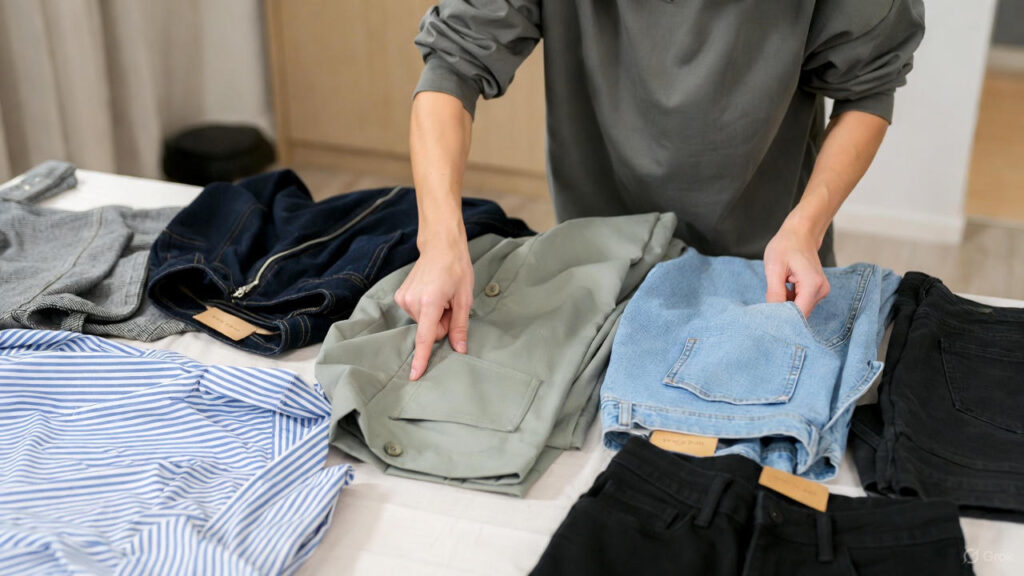
Taking a few minutes to prepare your clothes before dry cleaning makes a big difference. It helps your clothes come back looking their best and avoids problems.
Check and Empty All Pockets
Look in every pocket—inside, breast, and side pockets. Leftover items can damage clothes or stain other garments. Remove pens, tissues, coins, receipts, or anything else tucked away.
Show Stains to Your Cleaner
Point out any stains or spills, even small ones. Tell your cleaner what caused them—food, wine, oil, or ink. Older stains may need extra care. The more details you give, the better the results.
Fasten Buttons and Zippers
Close all buttons, zippers, and hooks. This keeps clothes in shape and prevents snags or tears. Secure belts, straps, and vents as well.
Check for Existing Damage
Look for tears, loose buttons, or weak seams before dropping off clothes. Telling your cleaner protects both of you. Many cleaners will fix small issues for free if you mention them beforehand.
Remove Accessories
Take off belts, brooches, pins, or detachable collars. These could get damaged or harm the garment. Remove old dry cleaning tags. Leave fur trim in place but tell your cleaner—it needs special care.
Bring Matching Pieces Together
For suits or two-piece outfits, bring all matching items together, even if only one piece looks dirty. Cleaning them separately can cause slight color differences over time.
Act Fast on Fresh Stains
Treat stains quickly. The sooner clothes go to the cleaner, the better the results. Oil-based stains and natural fabrics are especially sensitive. If you can’t go right away, blot the stain gently with a clean cloth—never rub, as that spreads the stain and can damage fibers.
Common Mistakes to Avoid If You Are Doing DIY Dry Cleaning at Home
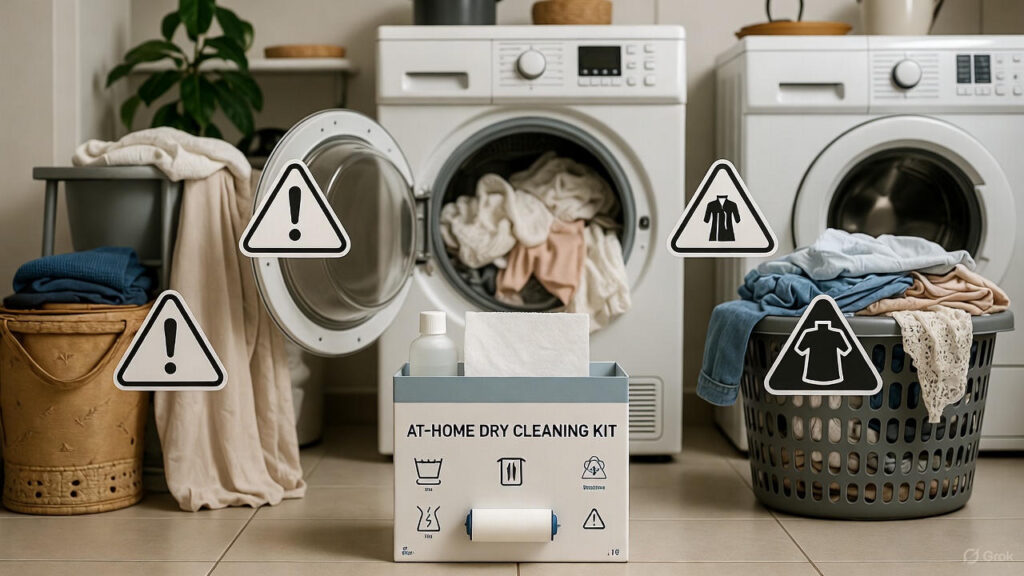
At-home dry cleaning kits are handy for lightly freshening clothes between professional cleanings, but they have limits. Knowing common mistakes helps you use them safely without harming your garments.
Mistake 1: Expecting Professional Results
Home dry cleaning kits are for light refreshes, not deep cleaning. They can handle minor odors or small spills, but they cannot remove heavy stains or clean as thoroughly as professionals.
Mistake 2: Using Kits on Heavily Soiled Items
Avoid using home kits on very dirty or stained clothes. These need professional solvents and equipment. Trying at home may set stains permanently.
Mistake 3: Ignoring Fabric Compatibility
Not all fabrics work with home kits. Delicate silks, structured blazers, heavily embellished items, and special finishes should always go to professionals. Check your care label first.
Mistake 4: Overloading the Dryer
Home kits need space for cleaning vapors to circulate. Overcrowding causes wrinkles or friction damage. Stick to the recommended item count—usually 2–3 garments.
Mistake 5: Skipping Pre-Treatment
Most kits include spot treatment products. Apply them first to stains and let them work. The dryer only activates the treatment, it doesn’t replace it.
Mistake 6: Using Regular Dryer Settings
Use low or medium heat, as instructed. High heat can shrink fabric, melt embellishments, or over-dry delicate items.
Mistake 7: Storing Uncleaned Clothes
Home kits don’t remove oils and sweat completely. For long-term storage, have garments professionally cleaned to prevent yellowing or moth damage.
Mistake 8: Treating Kit-Cleaned Clothes as Fully Clean
Home kits refresh clothes temporarily. Plan for professional cleaning once or twice a year to maintain fabric health and remove deep-set dirt.
Best Practices for At-Home Kits
Use these products strategically for light refreshing between professional cleanings. They’re ideal for removing mild odors from clothes worn briefly or for freshening clothes that sat in the closet. Always remove clothes from the dryer immediately to minimize wrinkles. Hang items in a well-ventilated area to air out before wearing. Keep your expectations modest and your professional cleaner’s number handy.
How to Choose an Eco-Friendly Dry Cleaning Service

Caring for Clothes and the Environment
Choosing an eco-friendly dry cleaner means looking beyond claims and asking the right questions.
Ask About Solvents
Find out exactly which cleaning solvents the business uses. Professional wet cleaning is the safest, followed by liquid CO2 and silicone-based methods. Be cautious of cleaners claiming to be “organic” while using hydrocarbon solvents—they come from petroleum.
Check Equipment
Modern machines reduce environmental impact. Closed-loop systems recycle solvents and cut emissions. Ask when equipment was installed or updated to see if the cleaner invests in better technology.
Waste Management
A responsible cleaner properly disposes of filters, residues, and contaminated materials. Ask if they recycle hangers or plastic bags. Wash4You handle all waste streams, not just solvents.
Energy and Water Use
Energy-efficient lighting, heating, and equipment matter. Some businesses use renewable energy. Wet cleaning services also need to manage water efficiently. Trackers and efforts to minimize usage show real environmental commitment.
Choose Local Options
Sometimes a nearby cleaner with good practices is better than a distant “perfect” one. Transportation contributes to the overall environmental impact.
Red Flags
Avoid cleaners who won’t specify their methods or solvents. Vague claims like “green cleaning” may be greenwashing. Very low prices could indicate they aren’t using proper eco-friendly methods.
Services like Wash4You combine quality, convenience, and eco-conscious practices, showing that professional garment care can be both effective and environmentally responsible.
Takeaway

Taking care of your clothes goes beyond just cleaning. Follow these key steps to keep your wardrobe in top shape:
- Choose the right dry cleaning method for each fabric.
- Clean garments at the right frequency to avoid over- or under-cleaning.
- Prepare clothes before drop-off: check pockets, point out stains, fasten buttons, and remove accessories.
- Act quickly on fresh stains to improve removal chances.
- Use trusted professional services and consider eco-friendly methods like liquid CO2, silicone-based cleaning, or professional wet cleaning.
- Maintain clothes between cleanings: brush, air, steam, and store properly to preserve shape and freshness.
Following these steps protects your fabrics, keeps your wardrobe looking its best, and ensures you feel confident every time you wear your favorite pieces.