- Introduction
- What Is The Immediate Action To Prevent Stain Mark?
- Can Dry Cleaning Remove Oil And Grease Stains?
- What To Do If My Clothes Have Caught A Stain?
- What To Do If Curtains, Couches, Or Cushions Get Stained?
- Things To Take Care Of Before Sending Stained Fabrics For Dry Cleaning
- Can Professional Dry Cleaning Remove Old Stains?
- Oil And Grease Stains Act Differently On Different Fabrics
- What All Kinds Of Stains Can Dry Cleaning Remove?
- How Dry Cleaning Removes Different Types Of Stains?
- What Detergents And Dry Cleaning Methods Do Professionals Use To Remove Stains?
- Conclusion
Introduction
Oil and grease stains are tricky. A drop of cooking oil on your shirt or butter on a sofa can ruin your favorite fabric. Many people wonder: Can dry cleaning remove oil and grease stains? The answer is yes, but with some conditions. Let’s look at everything you should know to save your clothes and home fabrics.
What Is The Immediate Action To Prevent Stain Mark?
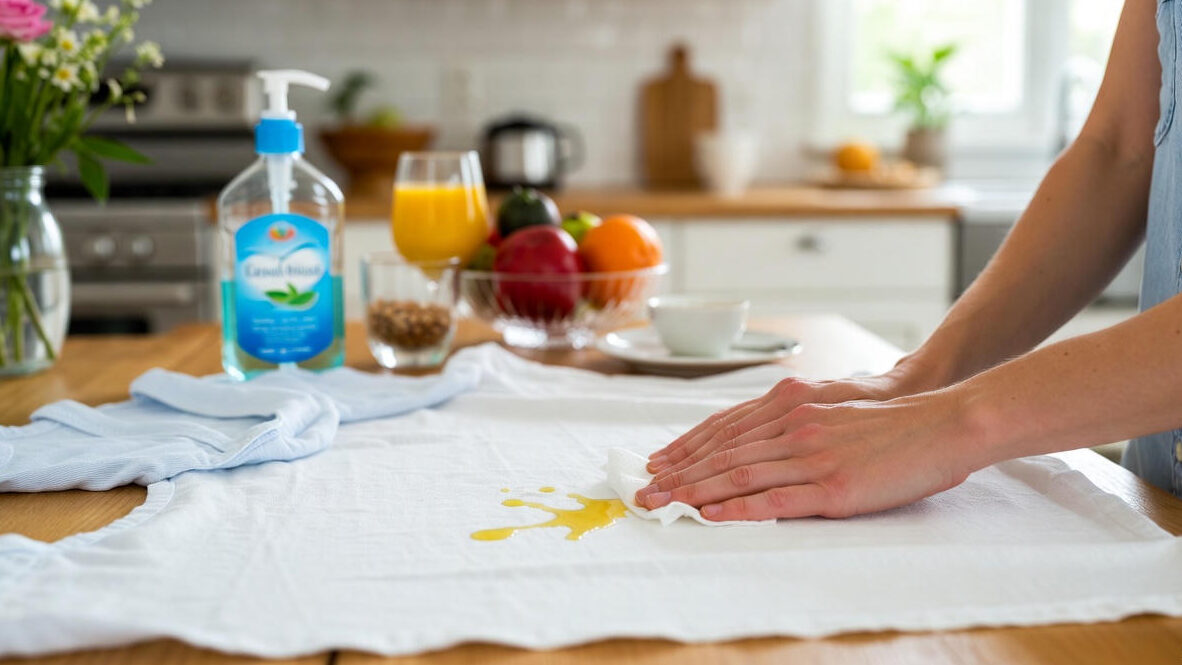
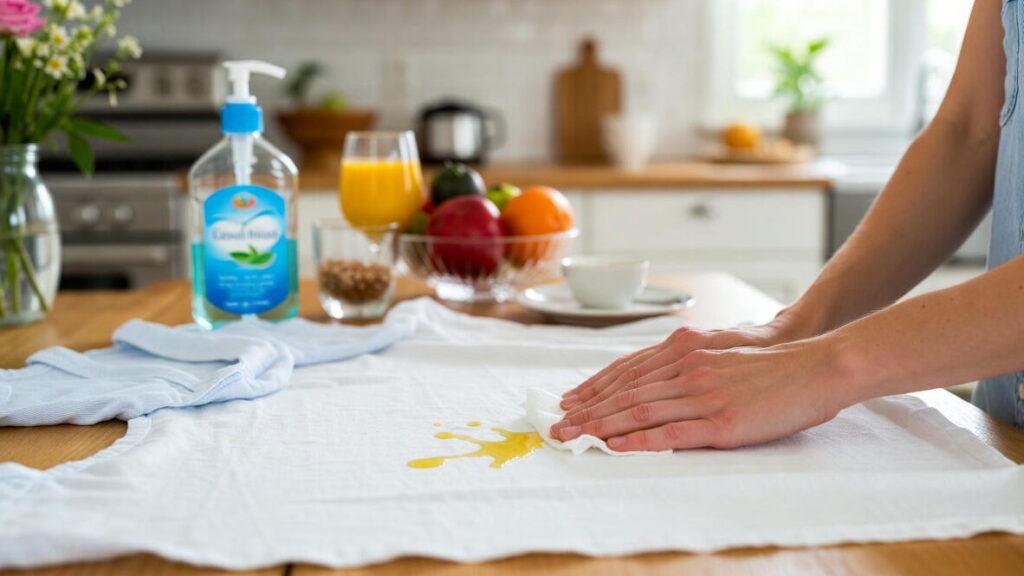
When a stain happens, speed matters. Here’s what to do:
When an oil or grease stain happens, acting quickly can make a big difference. The goal is to stop the stain from setting into the fabric. Here’s how to do it:
- Blot the stain gently with a paper towel or clean cloth.
Press lightly on the stain to absorb excess oil. Don’t wipe or rub, because rubbing can push the grease deeper into the fibers. - Avoid rubbing the stain.
Rubbing spreads the stain and can make it bigger. Treat it like a delicate spot, gentle pressure works better than scrubbing. - Do not pour water or soap right away, especially on delicate fabrics.
Water can make some oils set permanently, and harsh soaps can damage silk, wool, or velvet. Leave cleaning chemicals to professionals if the fabric is delicate. - Keep the fabric flat.
Laying it flat prevents the stain from running or soaking into other areas. If it’s a shirt, lay it on a clean surface. For cushions or curtains, try to keep the stained section flat until you can take it to a cleaner.
Example: Imagine spilling cooking oil on your favorite cotton shirt. Instead of rubbing it with a napkin, just press a clean tissue on top to soak the oil. Then place the shirt flat on a table and take it to a dry cleaner as soon as possible. This keeps the stain from spreading and makes professional cleaning more effective.
Example: If you spill cooking oil on your silk scarf, blot the oil gently with a tissue. Don’t rub, it can push the stain into the fibers.
Can Dry Cleaning Remove Oil And Grease Stains?
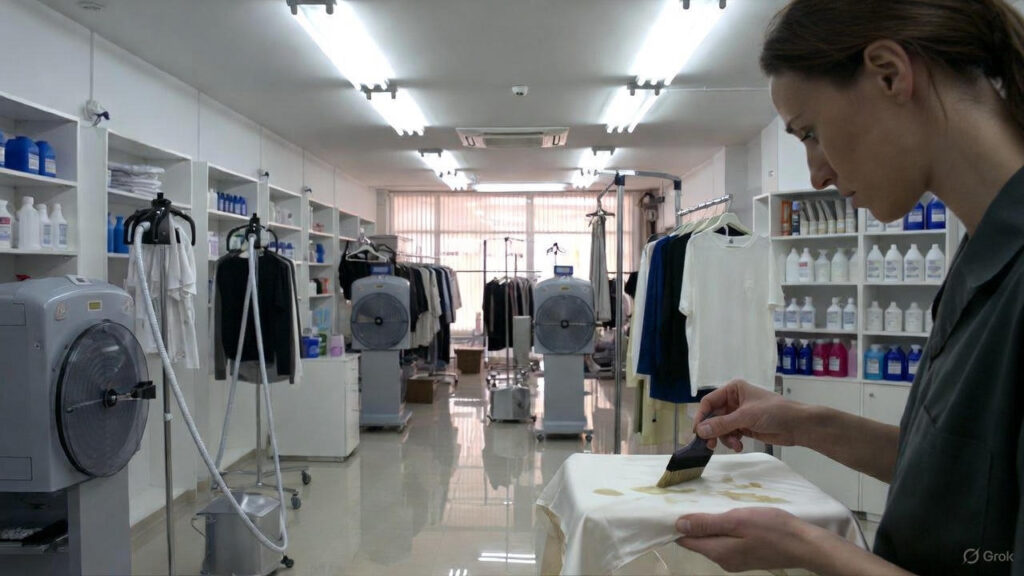
Dry cleaning is often the best way to deal with greasy stains, but how well it works depends on the stain’s age and fabric type.
- Fresh stains are easier to remove.
New oil or grease hasn’t fully set into the fabric, so professional dry cleaning remove oil and grease stains can dissolve it more effectively. The sooner you take the item to a dry cleaner, the higher the chance the stain will disappear completely. - Set-in stains may be reduced but not always completely gone.
Old stains that have been sitting for days or weeks can penetrate deep into fibers. professional dry cleaning remove oil and grease stains and make them much less noticeable, but sometimes a faint mark may remain. - Solvents dissolve oil while careful handling protects the fabric.
Dry cleaners use special liquids that break down grease without soaking the fabric in water. This means fabrics like silk, wool, or delicate synthetics stay safe and don’t shrink or fade.
Example: A drop of butter on your cotton shirt from breakfast can be completely removed if treated the same day. But a grease stain on your silk scarf left for a week may fade, but a slight shadow could remain.
Tip: Always tell the cleaner what caused the stain, cooking oil, makeup, or motor oil, so they can pick the right solvent. Different oils react differently to cleaning.
What To Do If My Clothes Have Caught A Stain?
If your clothes get an oil or grease stain, quick and gentle action can save them. Here’s what to do:
- Don’t scrub the stain.
Rubbing can push the grease deeper and can ruin delicate fabrics like silk or wool. - Blot the stain gently.
Press a clean paper towel or cloth on the spot to soak up the oil. Don’t rub. - Know what caused the stain.
Was it cooking oil, motor oil, or makeup? Telling the cleaner helps them use the right method. - Take it to a dry cleaner quickly.
The sooner it’s cleaned, the easier it is to remove. Don’t wait too long.
Example: If you spill butter on a cotton shirt, blot it gently and take it to the cleaner the same day. The stain will likely come out. Leave it for a few days, and it becomes harder to remove.
Tip: For thick grease, you can carefully scrape off extra with a dull spoon before blotting. Always press, don’t rub.
What To Do If Curtains, Couches, Or Cushions Get Stained?
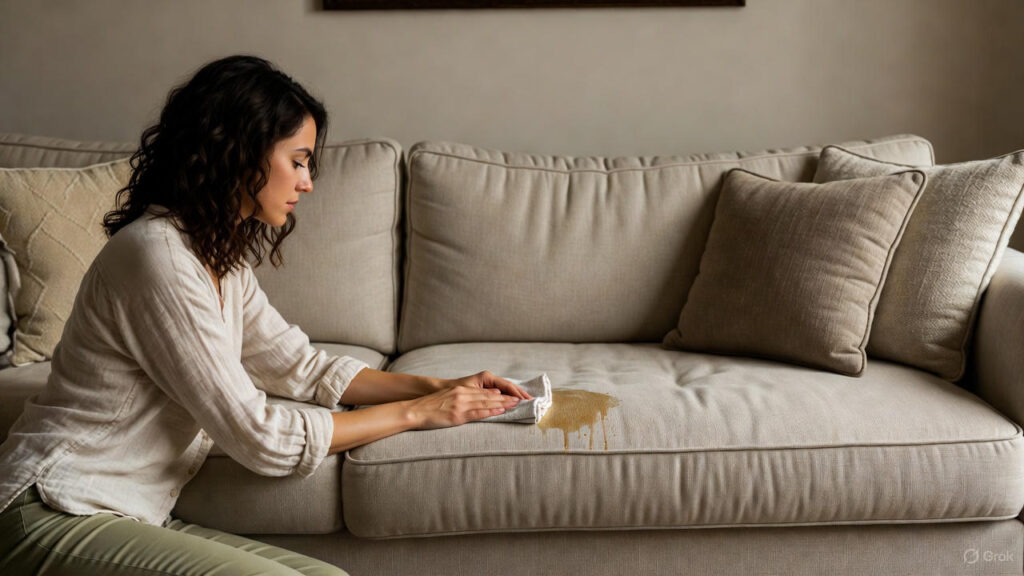
Stains on home fabrics like curtains, couches, or cushions need extra care. Here’s what to do:
- Blot the stain gently, don’t rub.
Rubbing can spread the grease and make it worse. - Keep cushions or fabric flat.
Laying them flat stops the stain from spreading to other areas or into the stuffing. - Don’t soak the fabric.
Water can push the stain deeper and make it harder to clean. - Call a professional cleaner.
Dry cleaners who handle upholstery know how to remove grease safely.
Example: If a butter drop lands on a couch cushion, blot it gently right away. Then take it to a professional cleaner like Wash4you. This stops the grease from soaking into the cushion and causing permanent marks.
Tip: For thick grease, carefully scrape off extra with a dull spoon before blotting. Press gently, never rub.
Things To Take Care Of Before Sending Stained Fabrics For Dry Cleaning
Before sending stained clothes or fabrics to the dry cleaner, do these simple steps:
- Check the care label.
Make sure the fabric can be dry cleaned safely. - Don’t use home remedies.
Avoid baking soda, vinegar, dish soap, or anything else at home. These can make it harder for the professional cleaner to remove the stain. - Show the stain clearly.
Point out exactly where the stain is so the cleaner can treat it properly. - Don’t fold or store the item.
Keep it flat or in a bag until it’s cleaned. Storing it can make the stain set.
Tip: You can mark the stain with a safety pin or sticky note. This makes it easy for the cleaner to spot it right away.
Can Professional Dry Cleaning Remove Old Stains?
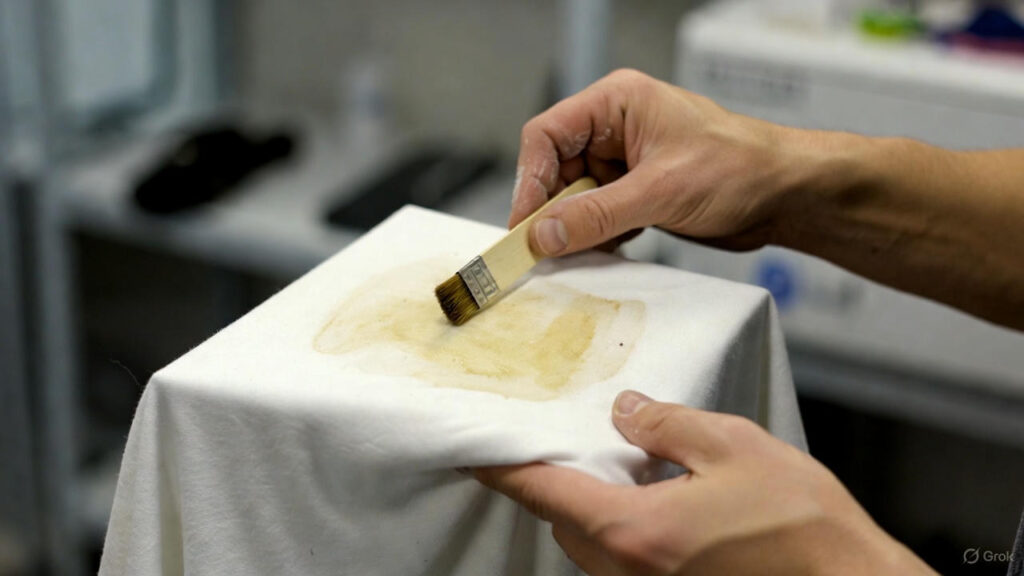
The age of a stain makes a big difference in how well it can be removed.
- Fresh stains are easier to remove.
New oil or grease hasn’t settled into the fabric fibers yet. Dry cleaners can usually remove them completely, especially if you take the item in quickly. - Why You Should Choose Dry Cleaning Over Home Wash for Everyday ClothesOld stains may not disappear completely.
Grease or oil that has been on fabric for days, weeks, or months can sink deeper into the fibers. professional dry cleaning remove oil and grease stains and make it much less noticeable, but sometimes a faint mark might remain. - Set-in grease on delicate fabrics can be tricky.
Fabrics like silk, wool, or velvet are sensitive. Deep-set oil may leave a shadow even after cleaning, because aggressive treatment could damage the fabric. Professionals have to balance stain removal with fabric safety.
Example: A motor oil stain on jeans can usually fade a lot after professional dry cleaning, but a light shadow might still be visible. On a silk blouse, even a small old oil stain may not completely disappear, but careful dry cleaning will make it much less noticeable.
Tip: Always tell your cleaner how old the stain is. This helps them choose the right solvent and method to get the best results without harming the fabric.
Oil And Grease Stains Act Differently On Different Fabrics
Not all fabrics handle oil and grease the same way. Knowing how your fabric reacts can help the cleaner treat it correctly.
- Silk & wool:
These fabrics soak up oil very quickly. They need gentle solvents so the fibers don’t get damaged. - Cotton & synthetics:
These are stronger and can handle stronger cleaning solutions, so stains are often easier to remove. - Upholstery & cushions:
Oil can sink deep into the filling, making it tricky to remove completely. Quick action and professional cleaning are essential.
Tip: Always tell your cleaner what type of fabric it is. This helps them choose the safest and most effective method to remove the stain.
Example: A silk scarf with a cooking oil spot needs delicate treatment, while a polyester shirt with the same stain can usually be cleaned faster and more aggressively.
What All Kinds Of Stains Can Dry Cleaning Remove?
How dry cleaning removes different types of stains
Dry cleaning works differently from washing with water. It uses special liquids called solvents that lift stains without soaking the fabric. Each type of stain is treated in a slightly different way.
1. Oil and grease stains
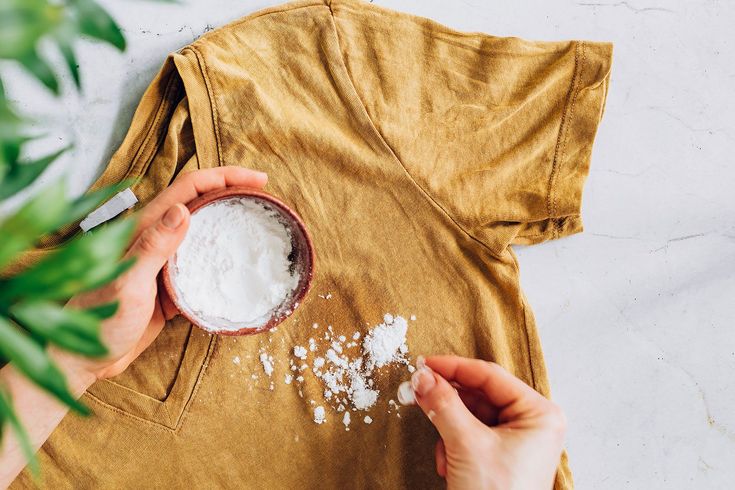
Image source: https://in.pinterest.com/pin/483011128794766891/
- How it works: Solvents dissolve the oil so it can be removed from the fabric.
- Technology: Dry cleaning machines gently circulate the solvent through the fabric. This “washes without water” so delicate fibers stay safe.
- Tip: Fresh grease is easier to remove. Old stains may fade but can sometimes leave a faint mark.
2. Ink stains
- How it works: Special spot-cleaning solutions break down the ink so it can lift off the fabric.
- Technology: Cleaners apply the solution directly on the stain, then the fabric goes through the dry cleaning machine for full treatment.
- Tip: Always tell the cleaner what type of ink it is, pen, marker, or printer ink, so they can use the right solution.
3. Wine, coffee, or beverage stains
- How it works: Dry cleaning removes the color pigments without spreading the stain. Water can sometimes make beverage stains worse, but solvents handle it safely.
- Technology: Pre-treatment sprays or gels may be applied, then the fabric is gently cleaned in the dry cleaning machine.
- Tip: Treating the stain quickly gives the best results.
4. Chocolate stains
- How it works: Chocolate has both fat and color. Professionals first scrape off excess chocolate, then remove the grease and the color separately.
- Technology: Spot treatment plus solvent cleaning, often finished with gentle steaming to restore texture.
- Tip: Don’t try rubbing chocolate at home, it can spread and set the stain.
5. Makeup stains
- How it works: Foundation, lipstick, or cream-based makeup contain oils and pigments. Solvents lift the oil first, then the color.
- Technology: Hand-applied spot cleaners for delicate fabrics, then gentle machine cleaning for the rest.
- Tip: Tell your cleaner exactly what type of makeup caused the stain. This helps them choose the safest and most effective method.
Example: A silk scarf with lipstick stains is treated gently by hand to avoid damage, while a cotton shirt with the same stain can go through the full dry cleaning machine cycle.
What detergents and dry cleaning methods do professionals use to remove stains?
Dry cleaning isn’t just washing clothes with soap. Professionals use special chemicals and methods for different fabrics and stains. Here’s how it works:
Also see: Types of dry cleaning methods
1. Solvents
- What they do: Dissolve grease, oil, and other tough stains.
- How they work: The fabric is soaked in the solvent. It lifts stains without shrinking or damaging delicate fibers.
- Example: Cooking oil on a silk scarf can be removed gently. The solvent dissolves the grease without harming the fabric.
2. Surfactants
- What they do: Lift dirt, pigments, and small particles from fibers.
- How they work: Surfactants help the solvent reach the stain and clean it completely.
- Example: Lipstick or makeup stains on cotton shirts are removed faster. Surfactants loosen the pigment before the solvent works.
3. Finishing agents
- What they do: Restore fabric’s softness, color, and texture.
- How they work: After cleaning, finishing agents make sure fabrics don’t feel stiff or rough.
- Example: A wool sweater feels soft again after dry cleaning.
Types of Dry Cleaning Methods
Also see:
- Traditional solvent dry cleaning
- Uses solvents like PERC to dissolve stains.
- Works well for most clothing.
- Clothes are gently agitated in a machine. It looks like a washing machine but uses solvent, not water.
- Eco-friendly / Wet cleaning
- Uses water and special detergents designed to mimic dry cleaning.
- Gentle on delicate fabrics.
- Biodegradable and environmentally safe.
- Spot cleaning / Hand treatment
- For small or tough stains like ink, wine, or makeup.
- Solvents or surfactants are applied directly by hand.
- Perfect for delicate fabrics where full-machine cleaning could damage the fabric.
- Green / Silicone-based dry cleaning
- Uses silicone solvents instead of harsh chemicals.
- Safe for delicate fabrics and the environment.
- Works for oil and pigment stains.
Tip: The type of cleaning depends on fabric type, stain type, and how old the stain is. Professionals often combine methods for the best results.
Example: A wool blazer with an ink stain may get hand spot treatment first. Then it goes through eco-friendly wet cleaning. Finishing agents restore its softness and color.
Insight: Solvents, surfactants, finishing agents, and the right cleaning method make dry cleaning much more effective than home washing. This is why tough stains like oil, grease, chocolate, wine, or makeup can be removed safely.
Oil and grease stains can be tricky, but they don’t have to ruin your clothes or fabrics.
- Act quickly: The faster you treat a stain, the easier it is to remove.
- Handle gently: Blot, don’t rub, and avoid DIY tricks that can make it worse.
- Use professional dry cleaning: Experts like Wash4you have the right solvents, methods, and experience to remove stains safely.
Tip: Even old stains can often be reduced with professional care. Quick action and the right treatment give the best results.
With the right approach, dry cleaning remove oil and grease stains safely and effectively, keeping your clothes and home fabrics looking fresh and clean.
Conclusion
Oil and grease stains can be tricky, but they don’t have to ruin your clothes or fabrics.
- Act quickly: The faster you treat a stain, the easier it is to remove.
- Handle gently: Blot, don’t rub, and avoid DIY tricks that can make it worse.
- Use professional dry cleaning: Experts have the right solvents, methods, and experience to remove stains safely.
Tip: Even old stains can often be reduced with professional care. Quick action and the right treatment give the best results.
With the right approach, dry cleaning remove oil and grease stains safely and effectively, keeping your clothes and home fabrics looking fresh and clean.