- Introduction
- What Are the Different Types of Shoes and How to Take Care of Them?
- How Often Should Shoes Be Cleaned and Polished?
- How Do You Prevent Shoes from Cracking or Fading?
- How Should Shoes Be Stored to Retain Their Shape?
- Can Different Types of Shoes Be Cleaned the Same Way?
- What Mistakes Should You Avoid When Caring for Shoes?
- Do Shoes Require Professional Cleaning?
- How to Store Shoes and Maintain Them in Humid Weather?
- How to Get Rid of the Weird Smell from Your Shoes?
- Why Did My White Sneakers Turn Yellow After Washing at Home?
- Tips to Maintain the Quality of Shoes
- Conclusion
Introduction
Shoes are more than just something you wear every day, they play a big role in your comfort, confidence, and personal style. Whether you’re heading to work, stepping out casually, or dressing up for an occasion, the condition of your shoes can make a real difference in how you feel.
That’s why understanding types of shoes and how to care for them is so important if you want your footwear to look good and last longer. Different shoes are made from materials like leather, suede, canvas, and synthetics, and each reacts differently to wear, moisture, dirt, and storage. When you clean or store all shoes the same way, you risk fading, cracking, loss of shape, or discomfort over time.
With the right care habits, you can keep your shoes looking fresh, comfortable, and dependable, without putting in extra effort.This becomes much easier when you understand types of shoes and how to care for them properly.
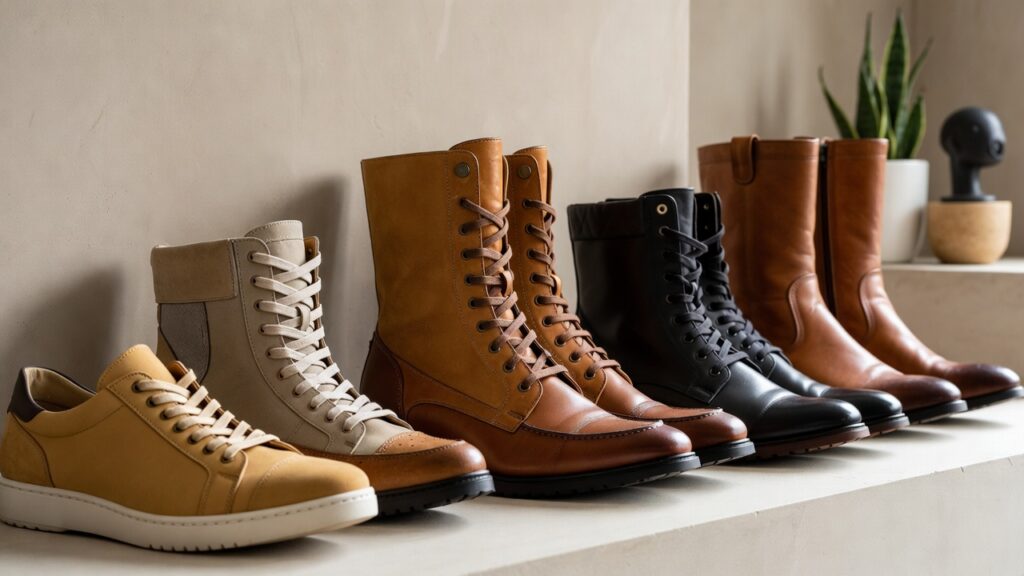
What are the different types of shoes and how to take care of them?
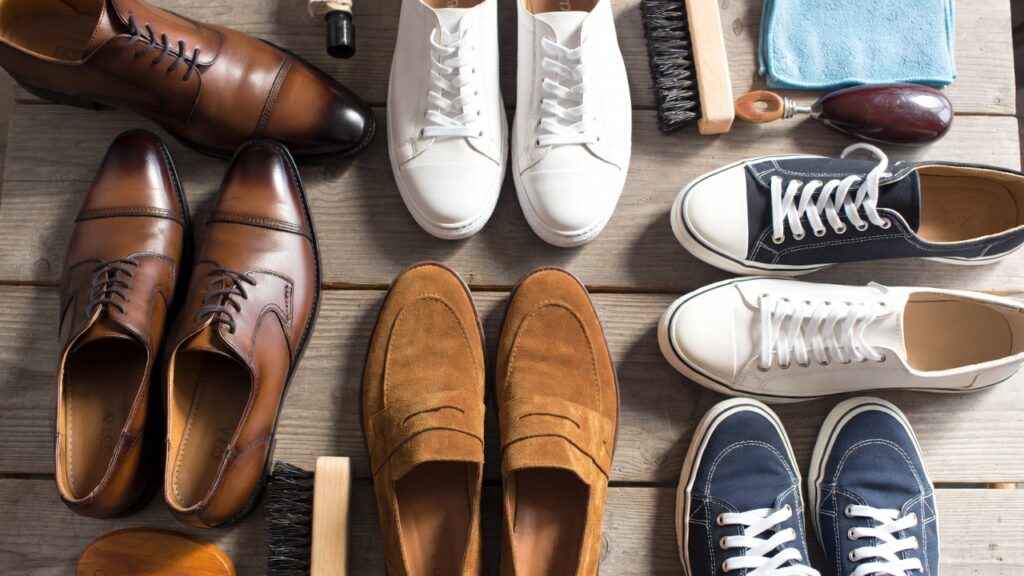
Shoes are made from different materials and designed for different purposes, which means they require specific care routines. Formal shoes, casual shoes, and athletic footwear all age differently depending on how they’re worn and maintained.
This is exactly why learning types of shoes and how to care for them is the foundation of proper footwear maintenance.Understanding the type of shoe you own is the first step toward keeping it looking refined and long-lasting.
Leather shoes, for example, need nourishment to stay supple, while suede shoes require protection from moisture and friction.
Sneakers and casual shoes are often more durable but still suffer from dirt buildup and odor if neglected. Proper care not only improves appearance but also preserves comfort, structure, and longevity.
Key care tips by shoe type:
- Leather shoes: Clean regularly, condition the leather, and polish to maintain shine and flexibility.
- Suede shoes: Use a suede brush and protector spray; avoid water exposure.
- Formal dress shoes: Rotate pairs, polish often, and use shoe trees to maintain shape.
- Sneakers: Clean soles and uppers gently; allow them to air-dry fully after use.
Each shoe type has its own care needs. Treating shoes according to their material and purpose ensures they stay comfortable, stylish, and dependable over time.
How Often Should Shoes Be Cleaned and Polished?
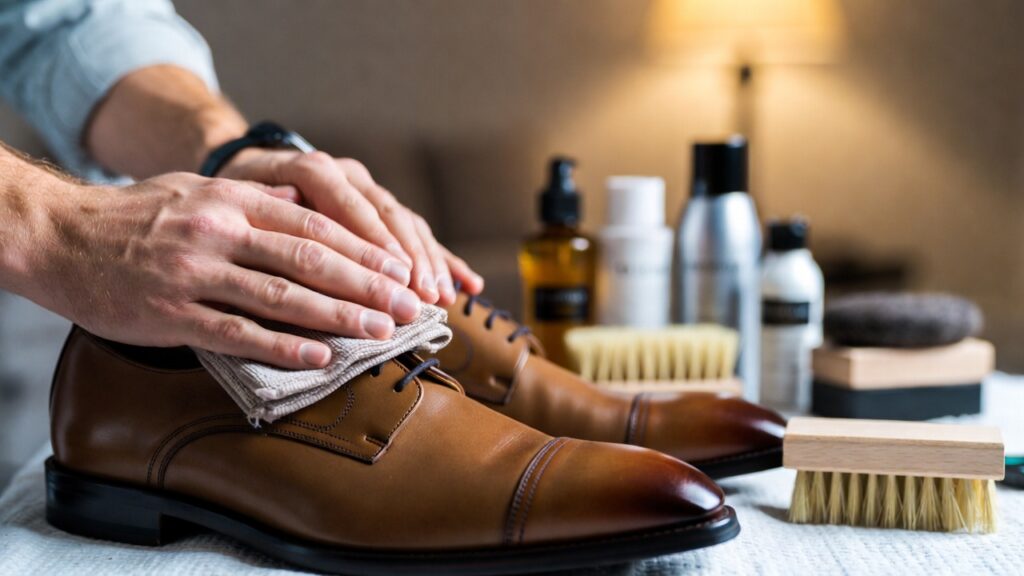
Think about the shoes you reach for most mornings. Even when they don’t look dirty, they quietly collect dust, moisture, and pressure with every step you take.
Over time, this buildup dulls their appearance and weakens the material, especially if the shoes are made of leather or worn for work.
Cleaning removes surface dirt before it settles in, while polishing keeps leather nourished and protected. Once you understand types of shoes and how to care for them, you realize that shoe care isn’t about frequent cleaning, it’s about timely care.
A practical rhythm to follow:
- Daily-use formal shoes benefit from light cleaning and regular polishing
- Casual shoes only need cleaning when they visibly look worn
- Sneakers should be cleaned after heavy or outdoor use
- Shoes worn occasionally should be cleaned before storing
Quick takeaway:
Regular, moderate care keeps shoes looking refined without stressing the material.
Consistent, moderate care is far better than infrequent deep cleaning. A simple routine keeps shoes fresh, protected, and ready to wear.Different types of shoes and how to care for them require different cleaning frequencies.
How Do You Prevent Shoes from Cracking or Fading?
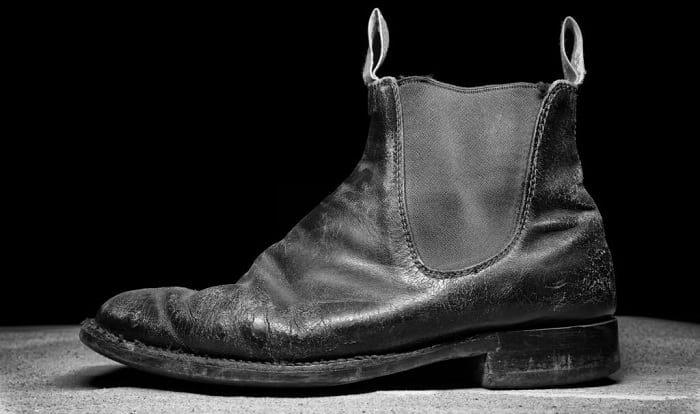
Source: Cracked leather shoes
Cracking and fading usually happen when shoes lose moisture or are exposed to too much heat, sunlight, or friction.
Leather shoes are especially vulnerable when they dry out, while fading often happens because of UV exposure or harsh cleaning products.
To prevent this, you need to be a little mindful. Let your shoes rest between wears so the material can recover, and use care products made specifically for the shoe material.
Avoid extreme heat and store shoes away from direct sunlight.
Ways you can prevent damage:
- Condition leather regularly to keep it soft
- Avoid direct sunlight and heat during storage
- Rotate shoes to reduce repeated stress
- Use products designed for the specific shoe material
Cracking and fading aren’t signs of age, they’re usually signs of neglect. With simple care, your shoes can keep their original look for years.
How Should Shoes Be Stored to Retain Their Shape?
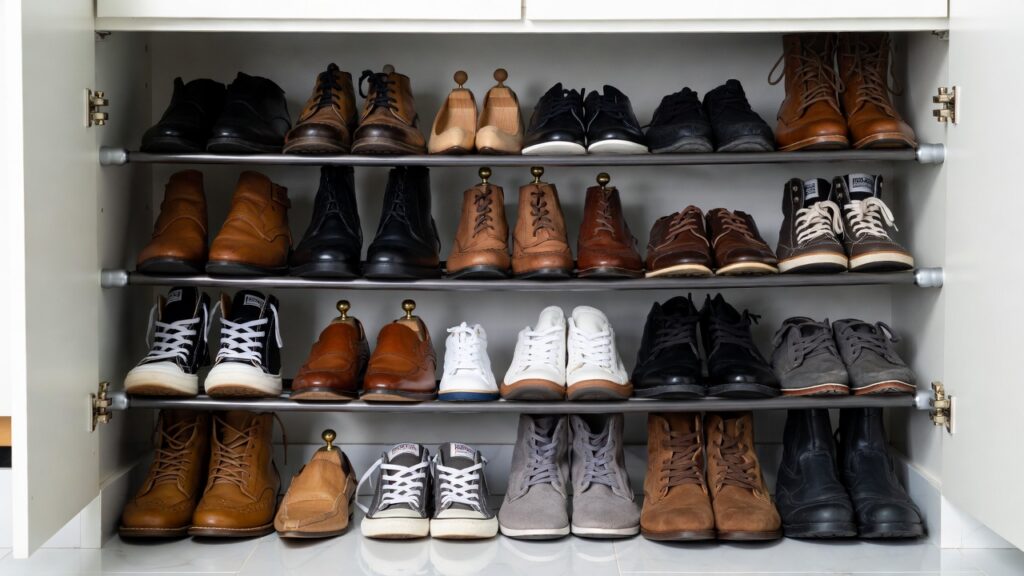
Many shoes lose their shape not because they’re worn out, but because they’re stored poorly. Leaving shoes crumpled, stacked, or pushed into tight corners slowly bends their structure, especially in leather and formal footwear.
The solution is simple: give your shoes space and support. Proper storage allows shoes to rest, release moisture, and hold their original form.Storage plays a major role when it comes to types of shoes and how to care for them, especially for leather and formal footwear.
This is a key part of learning types of shoes and how to care for them, especially if you want shoes to look good long-term.
Storage habits that actually help:
- Use shoe trees after wear
- Store shoes side by side, not piled
- Choose a cool, dry storage area
- Avoid plastic covers that trap moisture
How you store your shoes matters just as much as how you clean them.
Can Different Types of Shoes Be Cleaned the Same Way?
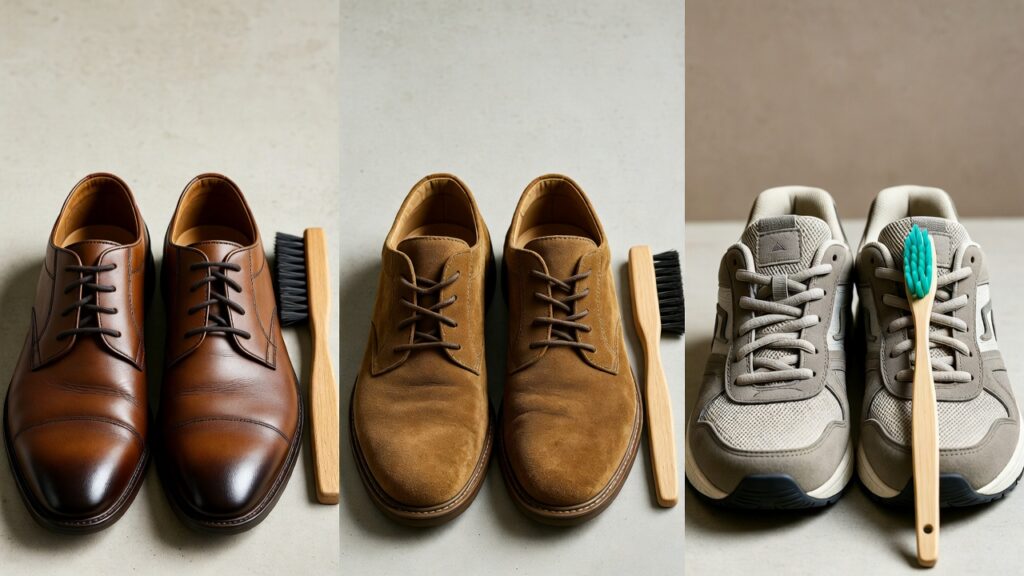
It’s easy to assume that one cleaning method works for all shoes, but that’s where most shoe damage starts. Different materials respond very differently to water, heat, and cleaning products, which is why a one-size-fits-all approach doesn’t work.
Leather needs moisture and gentle care, suede reacts badly to water, and sneakers may tolerate light washing but not aggressive scrubbing.
Understanding types of shoes and how to care for them helps you clean with intention instead of guesswork.
Here’s how cleaning needs change by material:
- Leather prefers gentle cleaning and conditioning
- Suede should be brushed dry and kept away from water
- Sneakers need mild cleaning, not soaking
- Synthetic shoes are tougher but still need care
Cleaning shoes the right way simply means matching the method to the material.
What mistakes should you avoid when caring for shoes?
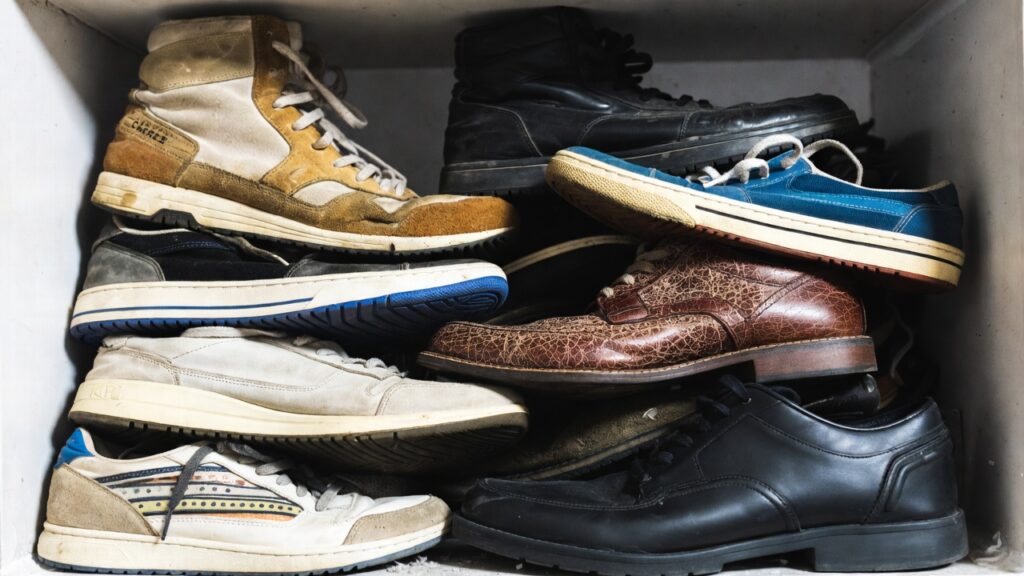
Many shoe care problems come from small, everyday mistakes that don’t seem harmful at first. Over-washing, using too much heat, or storing shoes carelessly can slowly weaken materials and ruin their finish.
These habits often shorten the life of even high-quality footwear.
Leaving shoes damp or dirty for long periods encourages odor, cracking, and discoloration. Shoes need time to dry, rest, and breathe, especially after long wear or exposure to rain.
Avoiding these mistakes is a key part of learning types of shoes and how to care for them properly. Good care isn’t about doing more, it’s about doing the right things consistently.
Mistakes to avoid:
- Washing shoes too often or too harshly
- Using direct heat to dry shoes
- Wearing the same pair every day
- Storing shoes in damp or cramped spaces
Avoiding simple care mistakes helps shoes stay stronger, cleaner, and better-looking for much longer.Most mistakes happen when people don’t understand types of shoes and how to care for them properly.
Do shoes require professional cleaning services like Wash4You?
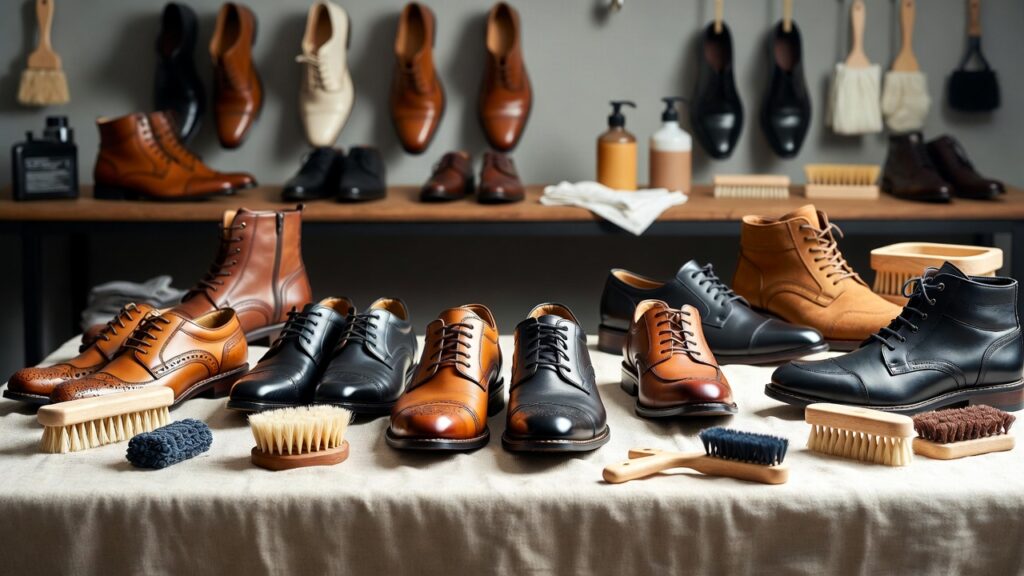
Not all shoes need professional cleaning, but some definitely benefit from it. Shoes made from leather, suede, nubuck, or delicate materials are especially sensitive to improper home cleaning. Professional care helps restore their appearance without damaging the material.
Professional cleaning is also useful when shoes have deep stains, strong odors, or color issues that home methods can’t fix.
For premium or expensive footwear, expert cleaning reduces the risk of permanent damage and helps maintain structure and finish.
As part of understanding types of shoes and how to care for them, knowing when to seek professional help can save your shoes from irreversible wear.
When professional cleaning helps most:
- Leather and suede shoes
- Formal or luxury footwear
- Shoes with heavy stains or odor
- Color-faded or misshaped shoes
Professional cleaning isn’t always necessary, but for delicate or valuable shoes, it’s often the safest choice.
How to store shoes and maintain them in humid weather?
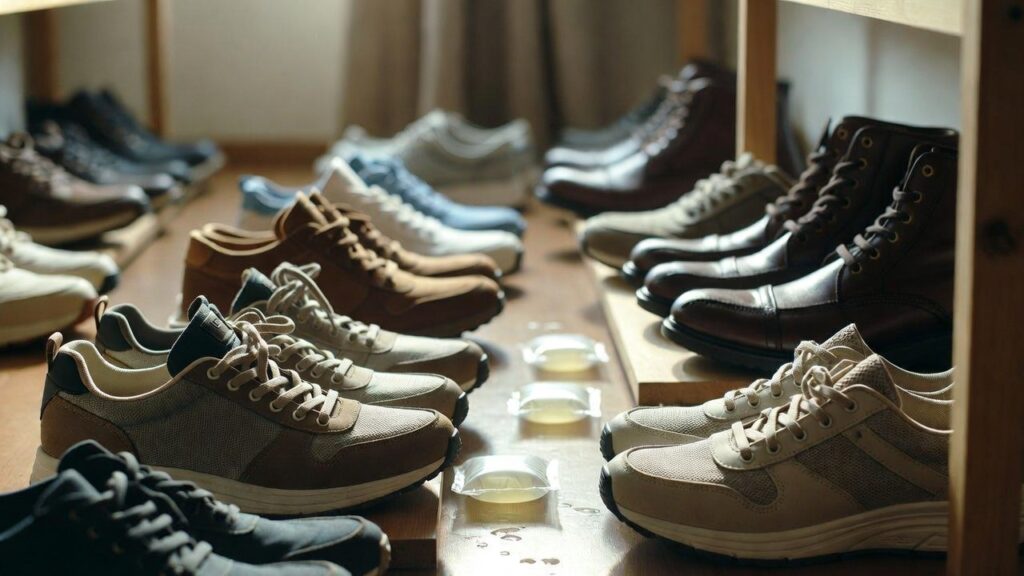
Humidity is one of the biggest enemies of shoes. Moist air can cause mold, bad smells, peeling leather, and weakened glue. Improper storage during humid weather often leads to long-term damage that’s hard to reverse.
Shoes need airflow and dryness to stay healthy. Storing them in closed, damp spaces traps moisture, especially in monsoon or coastal climates. Using breathable storage and allowing shoes to dry fully before storing makes a big difference.
Good storage is a core part of types of shoes and how to care for them, especially in humid regions.
Best storage practices in humidity:
- Let shoes air-dry completely before storage
- Use silica gel or moisture absorbers
- Store in breathable boxes or racks
- Avoid plastic or airtight containers
Dry, breathable storage keeps shoes safe from humidity damage and helps them last longer.
How to Get Rid of the Weird Smell from Your Shoes?
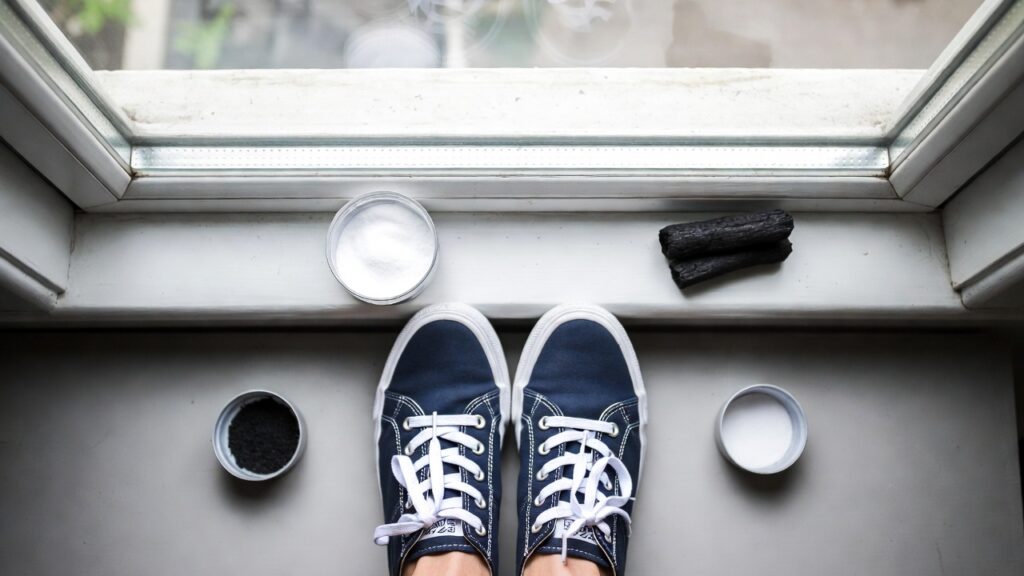
If your shoes smell bad, it’s rarely because they’re dirty. Most of the time, odor comes from moisture trapped inside after wear. Sweat, humidity, and lack of airflow allow bacteria to grow, which leads to that unpleasant smell.
Instead of washing shoes repeatedly, which can make the problem worse, focus on drying them properly and managing moisture.
This approach fits perfectly with understanding types of shoes and how to care for them without damaging the material.
What actually helps control odor:
- Let shoes dry fully between wears
- Rotate shoes instead of wearing the same pair daily
- Use baking soda or charcoal deodorizers
- Wear clean, moisture-wicking socks
Control moisture, and odor problems usually fade on their own.
Also See: Can You Dry Clean Expensive Shoes? Expert Guide
Why Did My White Sneakers Turn Yellow After Washing at Home?
You wash your white sneakers expecting them to look brighter.
Instead, they come out with yellow patches, and that can be frustrating.
Most of the time, this isn’t because the shoes were dirty to begin with. It usually happens due to how they were washed or dried. Detergent that isn’t rinsed out fully can react with heat and air while drying. Add strong sunlight into the mix, and yellowing shows up faster than you expect.
Another common issue is trapped moisture. When sneakers aren’t dried completely, especially in humid weather, oxidation slowly changes the color of the fabric. Situations like this are a clear reminder of why understanding types of shoes and how to care for them is important, particularly for white or light-colored footwear.
The simple fix?
Go easy on detergent, rinse thoroughly, avoid direct sunlight, and let sneakers air-dry slowly in a shaded, well-ventilated space. Gentle cleaning and patient drying make all the difference in keeping white sneakers looking fresh.
Tips to maintain the quality of shoes?
Maintaining shoe quality doesn’t require complicated routines, it’s about building small, consistent habits into your daily life. Shoes last longer when they’re treated gently, given time to rest between wears, and stored in the right conditions.
These habits work best when guided by a clear understanding of types of shoes and how to care for them.
Quality footwear is an investment, and caring for it properly helps preserve comfort, structure, and appearance. Understanding types of shoes and how to care for them ensures that every pair, whether formal, casual, or athletic, stays dependable and presentable over time.
Key Shoe Care Habits That Make a Difference
Rotate Shoes Regularly
Wearing the same pair every day doesn’t allow moisture and pressure to release. Rotation helps shoes recover and retain their shape.
Clean Dirt Before It Settles
Removing dust and dirt early prevents staining and material breakdown, especially for leather and fabric shoes.
Use Shoe Trees for Structure
Shoe trees help maintain shape, reduce creasing, and absorb internal moisture after wear.
Store Shoes Based on Climate
Keep shoes in a dry, well-ventilated space to protect them from humidity, mold, and odor.
Handle Shoes Gently
Avoid rough use, excessive washing, or heat exposure that can weaken materials over time.
Consistent care goes a long way in keeping shoes comfortable, stylish, and durable. With a few mindful habits, your shoes can look and feel great for years, without any complicated effort.
Conclusion
In the end, caring for your footwear is really about understanding your shoes and giving them the attention they need. Knowing the types of shoes and how to care for them helps you prevent common issues like damage, odor, and loss of shape, while making sure every pair stays comfortable and presentable for everyday use.
With the right cleaning habits, proper storage, and timely care, your shoes can last longer and look better over time.
For shoes that need extra attention or professional handling, trusted services like WASH4YOU offer a convenient way to keep your footwear clean and well-maintained, so you can step out with confidence, every time.