- Introduction
- What Is Pre-Treatment ?
- How Does Pre-Treating Stains Help Extend Fabric Lifespan?
- How to Pre-Treat Clothes Before Washing at Home
- How to Pre-Treat Stains Before Dry Cleaning
- Common Pre-Treatment Mistakes to Avoid When Cleaning Clothes
- Conclusion
- FAQs
Introduction
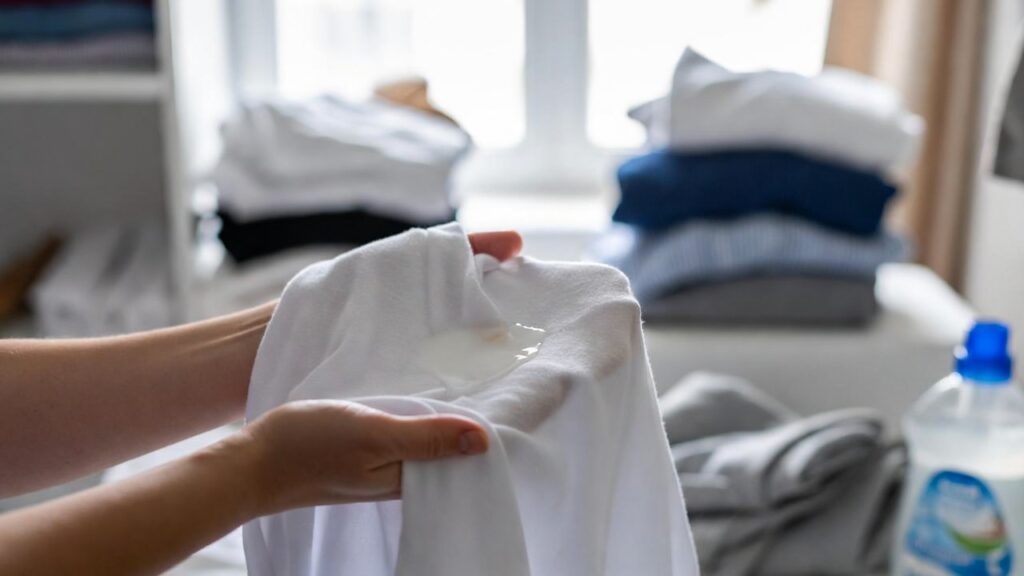
Stains are easier to remove when you act early. That’s why learning how to pre treat stains for laundry or dry cleaning is so important. Pre-treatment means taking care of stains before washing or sending clothes for dry cleaning. This small step helps stop stains from setting deep into the fabric.
Many people skip this step and wash clothes right away. This often makes stains harder to remove. By learning the right way to pre treat stains for laundry or dry cleaning, you can save your clothes and avoid repeat washing or extra cleaning costs.
In this blog, you will learn simple and safe ways to pre treat stains for laundry or dry cleaning, what to do right after a stain happens, and when it’s better to leave stain removal to professionals.
What Is Stain Pre-Treatment ?
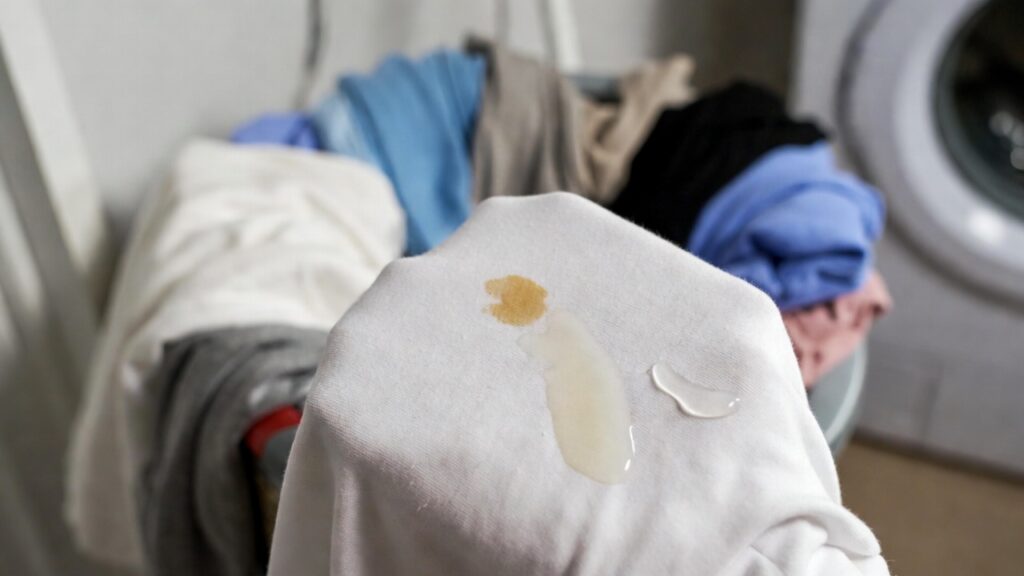
Pre-treatment is the process of treating a stain before washing or dry cleaning your clothes. When you pre treat stains for laundry or dry cleaning, you gently work on the stain first, instead of putting stained clothes straight into the wash. This helps stop the stain from setting deep into the fabric.
Pre-treatment is important because fresh stains are easier to remove than old ones. Dirt, oil, sweat, food, and makeup can stick to fabric fibers very quickly. By taking time to pre treat stains for laundry or dry cleaning, you loosen the stain and make cleaning more effective.
When you skip pre-treatment, stains become permanent after washing or heat drying. That’s why experts always suggest you pre treat stains for laundry or dry cleaning, especially for office wear and delicate fabrics. This simple step protects fabric quality, color, and strength.
Stains That Can Be Reduced With Pre-Treating
When you pre treat stains for laundry or dry cleaning, many common stains can be removed or at least faded. Acting early helps stop these stains from setting deep into the fabric.
- Food stains: Sauces, curry, and gravy stains lift easily when treated fresh
- Oil and grease stains: Cooking oil and butter can be loosened before washing
- Sweat stains: Pre-treatment helps reduce yellow marks on collars and underarms
- Deodorant stains: White and yellow residue can fade with gentle pre-treating
- Coffee and tea stains: Fresh spills are easier to lighten before cleaning
- Makeup stains: Foundation and lipstick can be reduced with early care
- Ink stains: Light ink marks may fade if treated quickly
- Dust and dirt stains: Daily dirt lifts easily with simple pre-treatment
Pre-treating does not guarantee full removal, but it greatly improves results when you pre treat stains for laundry or dry cleaning early.
How Does Pre-Treating Stains Help Extend Fabric Lifespan?
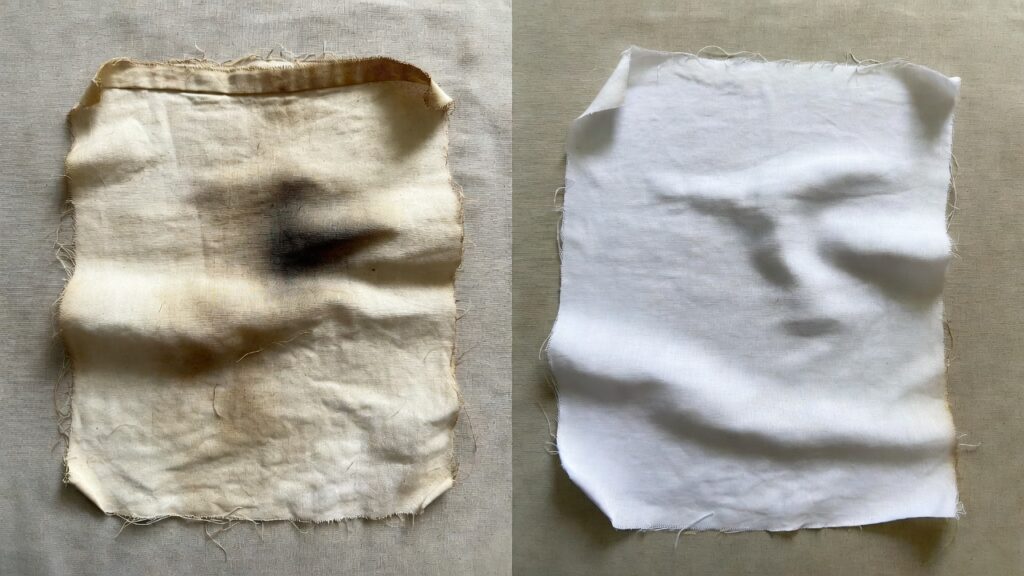
Pre-treating stains is one of the easiest ways to protect your clothes. When you pre treat stains for laundry or dry cleaning, you stop dirt and spills from settling deep into the fabric. This is crucial because stains slowly damage fibers and make clothes wear out faster.
If you want to keep your clothes looking good and wearable for longer, pre-treating is a must.
Taking a few minutes to pre treat stains for laundry or dry cleaning helps reduce harsh washing, repeat cleaning, and fabric stress. This simple habit can truly extend fabric lifespan and save money over time.
1. Stops Stains From Setting Deep
Fresh stains are softer and easier to remove. When you pre treat stains for laundry or dry cleaning, you loosen the stain before it becomes permanent. This protects the fabric fibers from long-term damage.
2. Reduces Harsh Washing
Without pre-treatment, clothes often need stronger washing or repeat cycles. Pre-treating allows gentle cleaning, which helps extend fabric lifespan and keeps clothes from thinning out.
3. Protects Fabric Strength and Color
Stains left untreated can weaken fibers and fade colors. When you pre treat stains for laundry or dry cleaning, the fabric stays stronger and colors stay brighter for longer.
4. Helps Avoid Excess Heat and Chemicals
Tough stains often lead to high heat drying or strong chemicals. Pre-treating lowers this need and supports better, safer cleaning, even when choosing professional garment care.
Pre-treating is a small step with big benefits. When you pre treat stains for laundry or dry cleaning, your clothes stay cleaner, stronger, and last much longer, without extra effort.
How to Pre-Treat Clothes Before Washing at Home
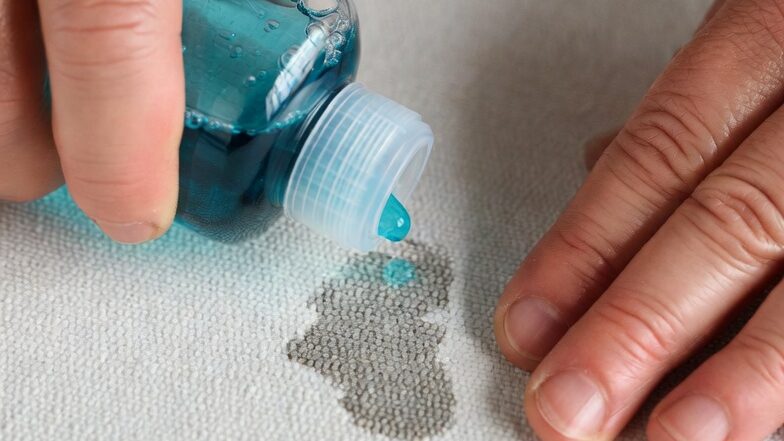
Pre-treating stains before washing at home is very important, whether you are handwashing or using a machine. When you pre treat stains for laundry or dry cleaning, you stop stains from spreading or becoming permanent during washing.
Water and heat can lock stains into fabric if they are not treated first, making them harder to remove later.
By taking a few minutes to pre treat stains for laundry or dry cleaning, you protect your clothes, reduce harsh washing, and get better cleaning results at home.
Stains You Can Pre-Treat at Home Before Laundry
- Food and sauce stains
- Oil and grease stains
- Sweat stains
- Deodorant marks
- Coffee and tea stains
Simple Steps to Pre-Treat Common Stains at Home
Pre-Treating Food Stains at Home
Start by removing any extra food from the fabric without rubbing it in. Rinse the stained area with cold water. Apply a small amount of mild liquid detergent and let it sit for 10–15 minutes. After this, wash the clothes as usual.
Pre-Treating Oil and Grease Stains
First, blot the excess oil using a tissue or paper towel. Add one drop of dish soap directly on the stain and gently rub it in with your fingers. Let it sit for a few minutes, then rinse and wash normally.
Pre-Treating Sweat Stains
Rinse the sweaty area with cold water to remove surface buildup. Apply a gentle detergent and lightly rub the fabric together. Let it sit briefly before washing in a normal cycle.
Pre-Treating Coffee or Tea Stains
Rinse the stain immediately with cold water to stop it from setting. Apply mild detergent and gently work it into the fabric. Avoid hot water, then wash the garment after a few minutes.
Pre-treating at home is a small habit that makes a big difference. When you pre treat stains for laundry or dry cleaning, your clothes stay cleaner, last longer, and look better after every wash.
How to Pre-Treat Stains Before Dry Cleaning – Wash4you Explains

Source: https://share.google/DKzDS7MUwqaxEtIFo
Even though dry cleaning can remove some of the toughest stains, pre-treating still matters. When you pre treat stains for laundry or dry cleaning, you help loosen fresh stains and stop them from setting deeper into the fabric.
This gives the dry cleaner a clear idea of the stain type and improves final results. Pre-treating is especially helpful for delicate office wear and structured garments.
Stains That Should Be Pre- treated Before Dry Cleaning
- Oil and grease stains
- Makeup and lipstick stains
- Sweat and deodorant stains
- Ink stains
Pre-Treating Oil and Grease Stains
Gently blot the excess oil with a tissue. Do not rub the fabric. Sprinkle a little absorbent powder like talc or baking soda and let it sit for a few minutes. Shake it off before sending the garment for dry cleaning.
Pre-Treating Makeup and Lipstick Stains
Lightly blot the stain with a clean cloth. Avoid water. Do not scrub or spread the stain. Keep the area dry and point out the stain clearly to the dry cleaner.
Pre-Treating Sweat and Deodorant Stains
Allow the garment to air out and dry fully. Do not apply heat or strong chemicals. If possible, lightly blot with a damp cloth and let it dry before dry cleaning.
Pre-Treating Ink Stains
Do not touch or rub the ink stain. Blot gently with a dry cloth to absorb excess ink. Avoid home chemicals and leave the main treatment to professionals.
Pre-treating helps dry cleaners work more effectively and protects delicate fabrics. When you pre treat stains for laundry or dry cleaning, you reduce fabric damage and improve cleaning results. For best care and expert handling, trusted services like Wash4You ensure your clothes get the attention they deserve.
Common Pre-Treatment Mistakes to Avoid When Cleaning Clothes
Source: https://share.google/1qjlizy5C9ABMVeUq
Pre-treating stains at home is actually very easy. You don’t need special tools or strong chemicals. When you pre treat stains for laundry or dry cleaning, small and quick actions can make a big difference.
The problem is not effort, it’s the common mistakes people make without realizing it. These mistakes often turn simple stains into permanent damage.
Below are the most common mistakes to avoid while pre-treating, explained in the simplest way-
Mistake 1: Rubbing the Stain Hard
This is common because people panic and try to scrub the stain away fast.
- Rubbing pushes the stain deeper into the fabric
- It weakens fibers and spreads the stain
Mistake 2: Using Hot Water First
Many believe hot water cleans better, so they use it right away.
- Heat sets stains and locks them into fabric
- Makes stains harder to remove later
Mistake 3: Using Strong Chemicals at Home
People often think stronger products mean faster results.
- Harsh chemicals damage fabric and color
- Delicate clothes can tear or fade
Mistake 4: Waiting Too Long to Pre-Treat
Stains are sometimes ignored until laundry day.
- Old stains settle deep into fibers
- Pre-treating becomes less effective
Mistake 5: Not Checking Fabric Type
Most people treat all clothes the same way.
- Some fabrics react badly to water or soap
- Can cause shrinkage or texture damage
How to Avoid These Mistakes (Preventative Tips)
- Always blot stains gently instead of rubbing
- Use cold water unless the fabric allows heat
- Test any product on a small hidden area
- Pre-treat stains as soon as possible
- Read care labels before doing anything
- For delicate or expensive clothes, dry cleaning is the safer choice
Pre-treating doesn’t have to be complicated. When you pre treat stains for laundry or dry cleaning the right way, you protect your clothes and get better results. And when stains feel risky or fabrics are delicate, choosing professional dry cleaning can save both your clothes and your peace of mind.
Conclusion – Pre Treat Stains For Laundry Or Dry Cleaning
Pre-treating stains is a small step that makes a big difference. When you pre treat stains for laundry or dry cleaning, your clothes look fresher, clean better, and last much longer. It helps protect fabric fibers and reduces the need for harsh washing or repeat cleaning.
At the same time, pre-treating needs care. Not every stain is the same, and different stains need different handling. Being gentle, acting early, and knowing when to stop is just as important as pre-treating itself.
For delicate clothes or tough stains, choosing professional help is the safest option. Trusted services like Wash4You handle stains carefully and keep your clothes looking their best, without the risk of damage.
FAQ’s
FAQ 1: Why did my stain become worse after I pre-treated it?
This usually happens when the stain was rubbed too hard or hot water was used. When you pre treat stains for laundry or dry cleaning, rubbing or heat can push the stain deeper into the fabric instead of removing it.
FAQ 2: I pre-treated the stain, but it didn’t go away after washing. Why?
Some stains need more time or a different method. Not all stains respond the same way. When you pre treat stains for laundry or dry cleaning, the stain may fade but not fully disappear, especially if it’s old.
FAQ 3: Why did my clothes lose color after pre-treating a stain?
This often happens when strong chemicals or the wrong product is used. Delicate fabrics can react badly. That’s why you should be gentle when you pre treat stains for laundry or dry cleaning.
FAQ 4: When should I stop pre-treating and choose dry cleaning instead?
If the fabric is delicate, expensive, or the stain is stubborn, it’s better to stop. Overdoing pre-treatment can cause damage. In such cases, pre treat stains for laundry or dry cleaning lightly and leave the rest to professionals.