Index
- Introduction
- What is Sustainable Fashion and How It Affects Our Planet?
- What Is Fast Fashion and Why Cheap Prices Come at a High Cost
- Low-Impact Fabrics That Are Changing the Way We Dress
- Why Switching to Low-Impact Fabrics Makes Sense
- What Happens When We Wash Them Incorrectly
- Easy Sustainable Fashion Tips You Can Follow
- Green Dry Cleaning: What It Is and Why It Helps
- 4 More Simple Sustainable Tips You Can Follow
- FAQs
- Conclusion
Introduction
When we talk about sustainable fashion environmental benefits, we often think about organic fabrics or ethical brands. But how fashion helps contribute to environmental wellness goes far beyond what we buy. It also depends on the everyday habits we build around our clothes.
Fashion supports eco wellness not only at the shopping stage, but through smart choices that reduce waste and prolong garment life.
Simple actions — like choosing quality over quantity, following sustainable laundry practices, and opting for eco-conscious garment care — can significantly lower fashion’s impact on the environment while helping our wardrobes last longer.
What is Sustainable Fashion and How It Affects Our Planet?

Source: https://share.google/hwD5dCpTC8x8xb8BQ
Sustainable fashion means making thoughtful choices about our clothing. This includes how clothes are made, how long we use them, and how we care for them.
It aims to reduce harm to nature, use resources wisely, and respect the people involved in making our clothes.
At its core, it’s about balance, we want to look good while doing good.Understanding how fashion helps contribute to environmental wellness starts with recognizing that fashion has a real impact on the planet.
It supports cleaner production, uses safer materials, and encourages us to buy less but better. These sustainable fashion environmental benefits help protect soil, water, and air while reducing pressure on landfills.
When we take care of our clothes, repair them, and wear them longer, we reduce waste and save resources. Simple habits such as gentle washing, proper storage, and selecting quality items help eco-friendly clothing cut waste and lower the fashion industry’s impact on the planet.
Do’s and Don’ts of Sustainable Fashion
Do’s
- Choose quality over quantity.
- Wear your clothes longer and repair them when you can.
- Wash your clothes less and follow the right care instructions.
- Support brands that are open and responsible.
Don’ts
- Avoid impulse buying and shopping just for trends.
- Don’t wash clothes too much or use harsh cleaning methods.
- Avoid tossing out clothes that can be reused or repaired.
- Don’t overlook how clothing care impacts the environment.
Sustainable fashion isn’t about being perfect. It’s about being mindful. Every thoughtful choice, from what we buy to how we care for our clothes, supports a healthier planet. By understanding how fashion helps contribute to environmental wellness,we can make our everyday wardrobes part of the solution, not the problem.
What Is Fast Fashion and Why Cheap Prices Come at a High Cost
Fast fashion focuses on speed and low prices. Global fashion brands introduce new styles every few weeks, pushing people to buy more and wear clothes for a short time. Although the prices seem low, the true cost is borne by our planet.
Understanding how fashion helps contribute to environmental wellness also means understanding how fast fashion does the opposite.To keep prices low, fast fashion depends on mass production, high water use, chemical dyes, and synthetic fabrics.
This process causes pollution, harms ecosystems, and produces large amounts of waste.These clothes are often worn just a few times before being discarded, contributing to increasing landfill issues worldwide.
Overproduction and Landfills: The Damage We Don’t See
Source: https://share.google/F0jzGvreX0g1lIacQ
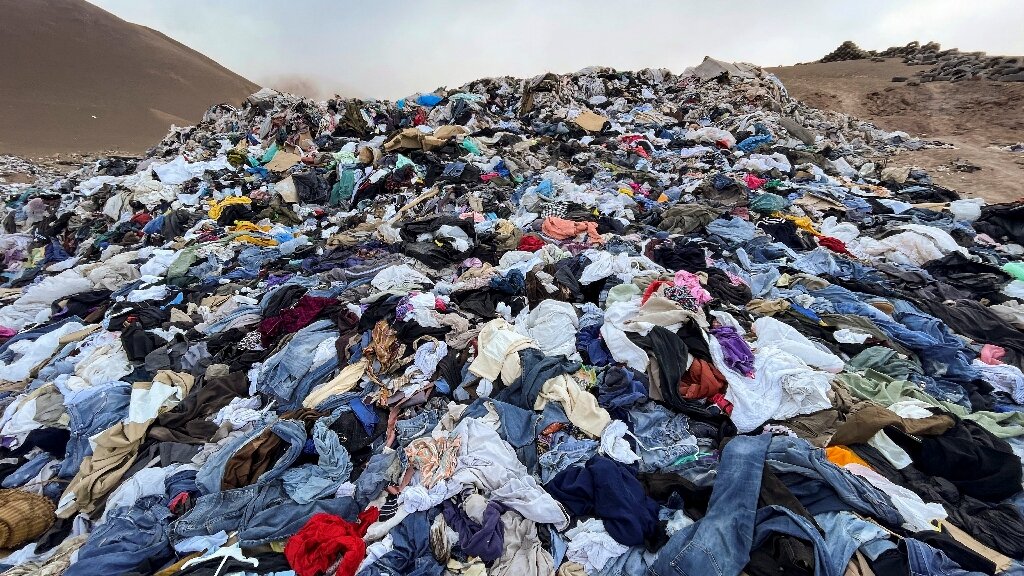
One of the biggest problems with fast fashion is overproduction. Global brands produce far more clothes than people actually need.
Unsold items and discarded garments go to landfills, where they can take decades to break down. This directly harms soil, water, and air quality.
This is where sustainable fashion environmental benefits become important. When fashion is produced and consumed responsibly, waste is reduced, and resources are protected. But when overproduction continues unchecked, environmental health suffers
Key impacts of overproduction:
- Clothes piling up in landfills.
- Increased water and energy waste.
- Release of harmful chemicals into the environment.
Small Habits That Can Help Control Fast Fashion Waste
The good news is that we can make a difference. Small, everyday habits can slow down the impact of fast fashion and support how fashion helps contribute to environmental wellness in a practical way.
6 simple habits to reduce fast fashion damage:
- Buy fewer clothes and choose timeless styles
- Wear what you already own more often
- Repair minor damage instead of replacing clothes
- Wash clothes only when necessary
- Follow proper garment care instructions
- Donate or recycle clothes instead of throwing them away
These small steps help lower fashion waste through proper care and reduce pressure on landfills.
Caring for clothes is where sustainable fashion truly starts
Sustainable fashion choices don’t begin only at the store; they start at home. When we take care of our clothes properly, we extend their life and lower the need to buy more. This is a simple yet effective way that fashion supports environmental wellness.
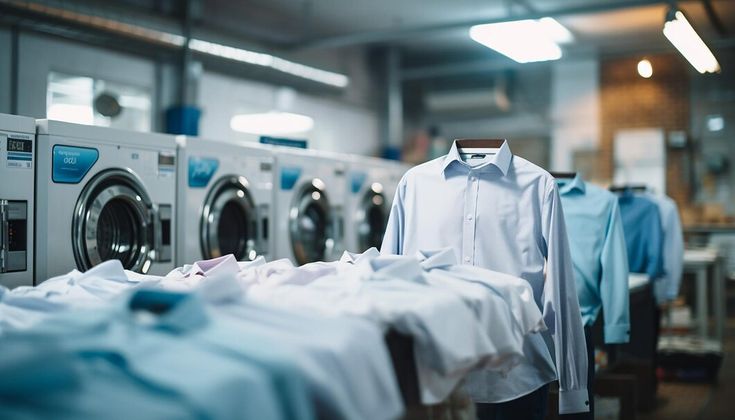
Taking good care of garments, including responsible dry cleaning, helps maintain fabric quality. It reduces wear and tear, prevents damage from excessive washing, and helps clothes last longer.
Choosing responsible garment care services, such as eco-conscious dry cleaning providers like Wash4You, can help extend fabric life while reducing water and chemical usage.
Other Sustainable Fashion Choices That Make a Difference
- Choose Quality Over Quantity: Well-made clothes last longer and reduce repeat buying.
- Support Responsible Brands: Look for transparency in materials and production.
- Wash Less, Care More: Less washing saves water and protects fabric strength.
- Think Long-Term: Ask yourself if you’ll still wear the item next year.
By changing how we buy, wear, and take care of our clothes, we can reduce waste and protect natural resources. Real sustainability starts when we pay attention to our environment and take responsibility for our fashion habits.
Low-Impact Fabrics That Are Changing the Way We Dress
Source: https://share.google/8ufUfrBb1FLbVFlcb
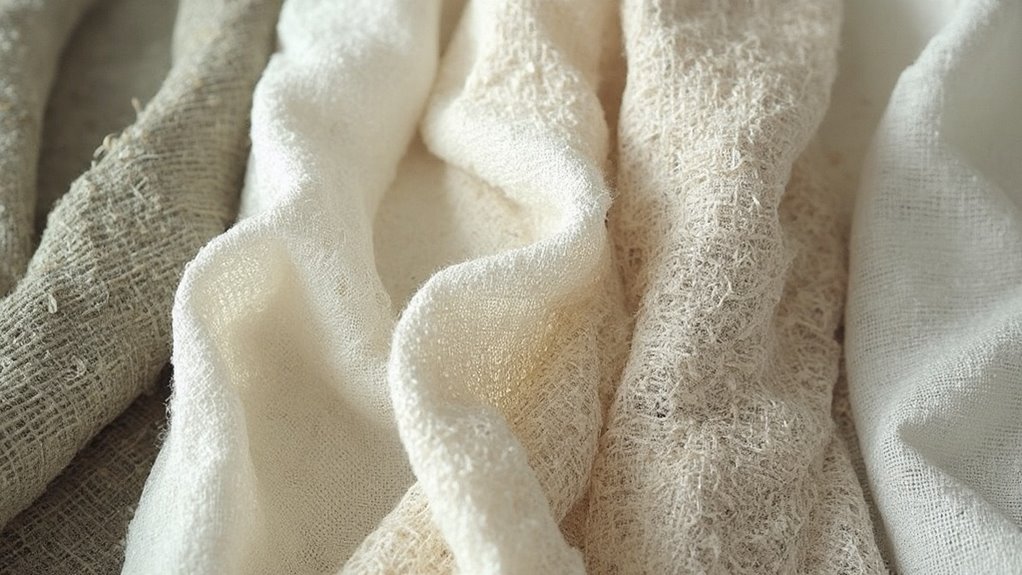
Low-impact fabrics are quietly changing the fashion world. They do this not through trends, but through responsibility. These fabrics use fewer chemicals, less water, and processes that are easier on the planet.
Choosing them is one of the simplest ways to make a difference in how fashion helps contribute to environmental wellness,because the change starts at the fiber level.
Why Organic Fabrics Are Better for the Environment
Organic fabrics like organic cotton, linen, hemp, and bamboo are grown with fewer chemicals and safer farming methods. This protects soil health, saves water, and cuts down on pollution. Unlike conventional fabrics, they don’t leave harmful residues that hurt ecosystems.
5 different kinds of organic fibres
1. Organic Cotton
Organic cotton is grown without harmful pesticides or synthetic fertilizers. It uses less water than regular cotton and is gentle on the soil. Clothes made from organic cotton are breathable, soft on the skin, and safer for the environment.
2. Organic Linen (Flax)
Linen comes from the flax plant, which needs very little water and almost no chemicals to grow. Organic linen is strong, long-lasting, and naturally biodegradable, making it a great low-impact fabric choice.
3. Organic Hemp
Hemp is one of the most eco-friendly fibres available. It grows quickly, improves soil health, and requires minimal water. Hemp fabric is durable, breathable, and becomes softer with every wash.
4. Organic Bamboo Fibre
Organic bamboo is grown without chemical pesticides and regenerates naturally. When processed responsibly, bamboo fabric is lightweight, moisture-wicking, and comfortable, while keeping environmental impact low.
5. Organic Wool
Organic wool comes from sheep raised without harmful chemicals or cruel practices. It is renewable, biodegradable, and naturally temperature-regulating, making it a sustainable fibre for long-lasting garments.
Choosing organic fibres is one of the easiest ways how fashion helps contribute to environmental wellness. These fibres last longer, reduce pollution, and support healthier ecosystems when cared for properly.
Why Switching to Low-Impact Fabrics Makes Sense
Source: https://share.google/ae4hEueV9M57ujuq3
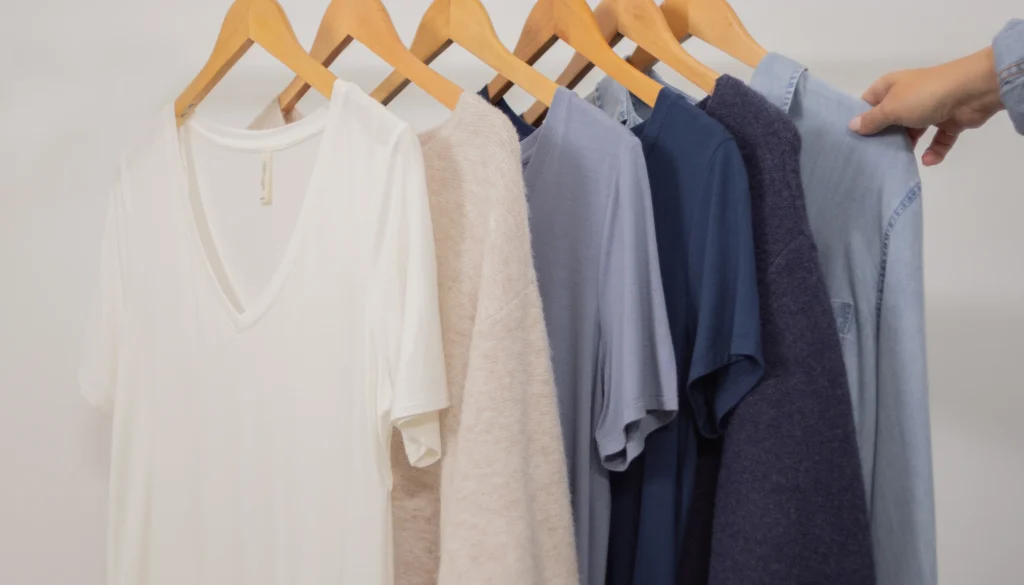
Switching to organic and low-impact fabrics isn’t about sacrifice. It’s about making smarter choices. These fabrics are breathable, comfortable, and durable. They are gentler on your skin and better for the planet.
Many people worry about costs, but organic fabrics aren’t always expensive. The initial price may be a bit higher, but they last longer if you take care of them. Over time, you buy less, waste less, and save more. Which is exactly how fashion helps contribute to environmental wellness in everyday life.
How to Care for Organic Fabrics at Home
Caring for low-impact fabrics is not complicated. Most organic fabrics respond well to gentle handling.
At home care tips:
- Wash in cold or mild water
- Use gentle, eco-friendly detergents
- Avoid frequent washing
- Air dry whenever possible
For delicate or structured garments, professional dry cleaning can protect fibers, keep their shape, and prevent damage.
What Happens When We Wash Them Incorrectly
Source: https://share.google/Q9LaLfI9kCaTSQ9FT
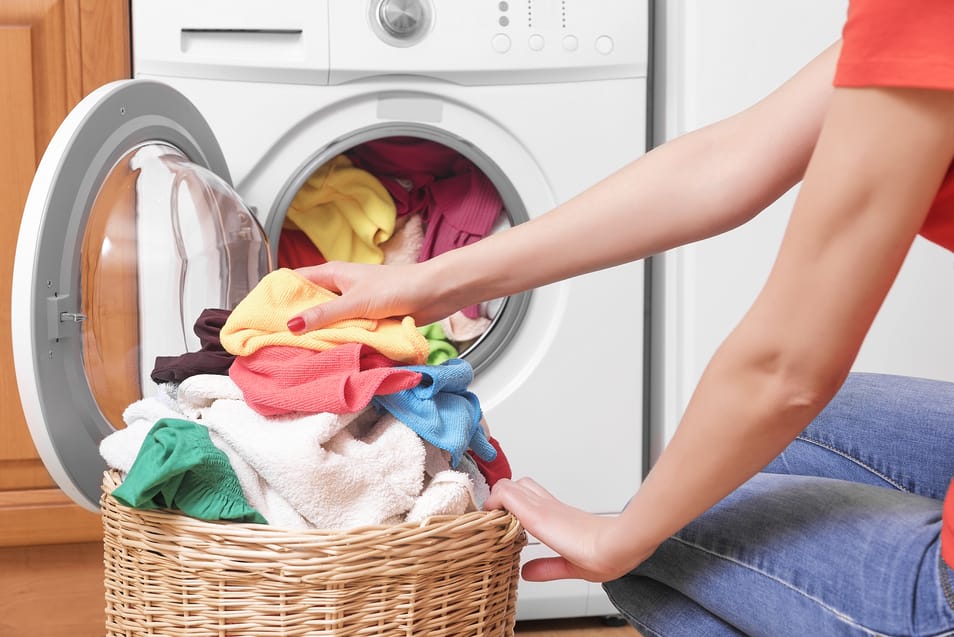
Incorrect washing can undo all the good choices made when buying. Hot water, harsh detergents, and over-washing weaken natural fibers. Fabrics lose strength, fade faster, and wear out sooner, leading to early disposal and more waste.
This shortens garment life and increases environmental impact, which goes against the idea of how fashion helps contribute to environmental wellness.
Tips to Extend Fabric Life as a Sustainable Choice
Extending the life of fabric is one of the best sustainable habits we can adopt.
Simple ways to make clothes last longer:
- Read and follow care labels
- Spot clean instead of full washes
- Store clothes properly to avoid stretching
- Choose professional cleaning for special fabrics
When we care for what we own, fashion becomes slower, smarter, and more respectful to the planet.
Low-impact fabrics are not just the future; they are the present. By choosing organic materials and taking care of them properly, we reduce waste, protect natural resources, and create a more thoughtful wardrobe.
Easy Sustainable Fashion Tips You Can Follow
Source: https://share.google/VksrHUQFAkqP1MW9q
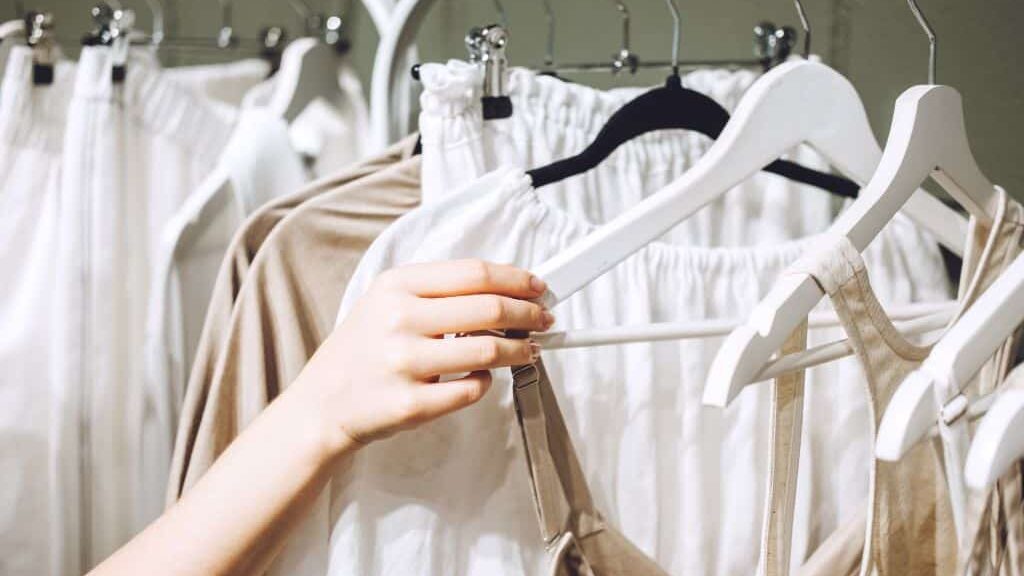
Living in Delhi NCR means facing dust, pollution, and heat. We also do a lot of washing. These factors impact how long our clothes last. The good news is that by adopting some simple habits, we can protect both our clothes and the planet.
This is a genuine way fashion can help promote environmental health, beginning with our own wardrobes.
Build a Capsule Wardrobe (Less Clothes, More Use)
Think of a capsule wardrobe as a small collection of clothes you really love and wear frequently. Instead of buying a lot of trendy items, you focus on versatile pieces that can be mixed and matched easily.
Why it works:
- Fewer clothes = less waste
- Easier daily outfit choices
- Better use of every garment
This promotes slow fashion and cuts down on overbuying. This problem is significant in urban areas like Delhi.
Repeat Outfits Without Guilt
Repeating outfits is not a bad thing. It’s a smart and sustainable habit. Wearing clothes more often lowers the demand for new production.
Simple habits:
- Style the same outfit differently
- Rotate accessories instead of buying new clothes
- Focus on comfort and quality
Repeating outfits is one of the easiest ways how fashion helps contribute to environmental wellness.
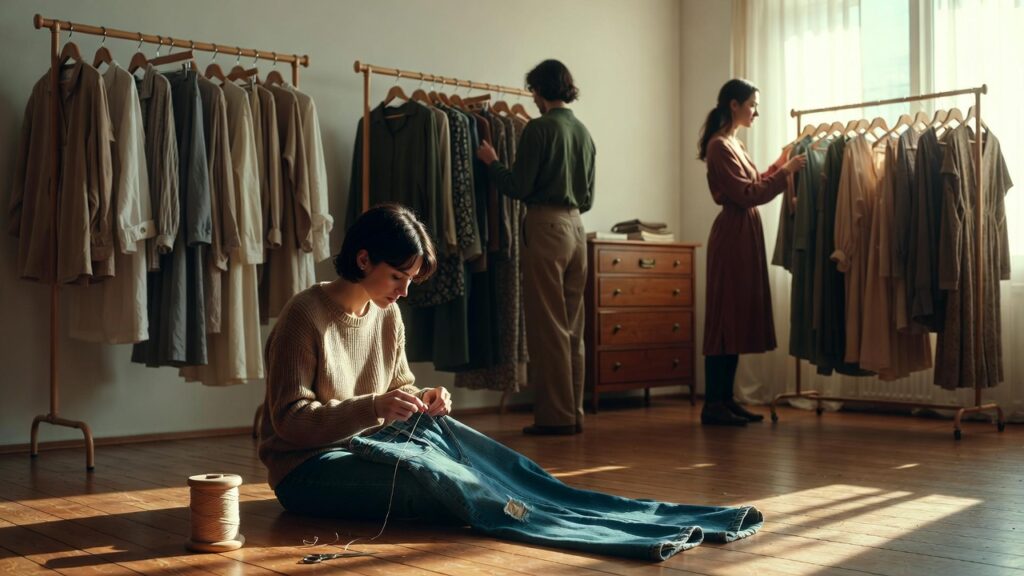
Upcycle, Reuse, and Repair Before You Replace
Before discarding clothes, consider new ways to repurpose them. Old kurtas can be turned into home wear, scarves, or even bags.
Easy ideas:
- Fix small tears or loose buttons
- Turn old clothes into cleaning cloths
- Donate wearable items
Upcycling prevents clothes from ending up in landfills and cuts down on fashion waste.
Pollution Affects Fabric
High pollution, dust, and heat wear out fabric more quickly. Washing clothes often can harm the fibers, dull the colors, and reduce how long they last. That’s why taking care of your clothes is important.
Green Dry Cleaning: What It Is and Why It Helps – Wash4You Explains
Green dry cleaning is a modern, eco-friendly method for cleaning clothes. It uses non-toxic, eco-friendly solvents instead of harsh chemicals. These solvents are safer for fabrics, people, and the environment.
How green dry cleaning helps:
- Extends fabric life
- Protects color and texture
- Reduces water use
- Produces less pollution
Green dry cleaning vs machine washing:
- Uses far less water
- Gentler on delicate fabrics
- Prevents fabric damage from harsh cycles
- Better for long-term garment care
Some services, like Wash4You, are now adopting green dry-cleaning methods that are gentler on clothes and better for the environment. This is a quiet but powerful way how fashion helps contribute to environmental wellness.
4 More Simple Sustainable Tips You Can Follow
1. Wash Less, Air More: Not every outfit needs to be washed. Hanging clothes outside gets rid of odors and saves water.
2. Store Clothes Properly: Use breathable covers and stay away from damp spaces to prevent damage.
3. Choose Quality Over Trends: Well-made clothes last longer. This means you won’t need to buy clothes as often.
4. Support Local and Responsible Brands: Local fashion often leads to a smaller transport impact and improved transparency.
Sustainability doesn’t require major sacrifices. Small, everyday habits, like wearing the same outfits or opting for green dry cleaning, can make a real difference over time.
In a city like Delhi NCR, taking care of our clothes means taking care of our environment. When we choose thoughtful fashion and improve garment care, we protect our wardrobes today and help save our planet for the future.
FAQs
1. How can I upcycle my old woolen shawl in a sustainable way?
You can upcycle a woolen shawl into a scarf, wrap, cushion cover, or winter layer. Reusing wool instead of discarding it is a simple example of how fashion helps contribute to environmental wellness by reducing textile waste and extending fabric life.
2. How do I remove bad smell from my jute bags without harming the fabric?
Air the jute bag in sunlight and gently wipe it with a cloth dipped in water and vinegar. Avoid machine washing, as it weakens fibers. Gentle care like this shows how fashion helps contribute to environmental wellness through mindful material handling.
3. Can I fix a small hole in my cotton shirt at home instead of buying a new one?
Yes, small holes can be fixed with hand stitching or iron-on patches. Repairing clothes early helps them last longer and reduces overconsumption, which is an important part of how fashion helps contribute to environmental wellness.
4. How can proper garment care help clothes last longer in cities like Delhi?
Washing less often, storing clothes properly, and using gentle cleaning methods protect fabrics from pollution damage. These small habits reduce waste and clearly show how fashion helps contribute to environmental wellness in everyday life.
Conclusion
Fashion can help create a healthier future when we make mindful choices. Understanding sustainable fashion and the harm caused by fast fashion is important. Choosing low-impact fabrics, wearing outfits more than once, upcycling, and taking care of our clothes the right way are all important. Every small step counts.
This is exactly how fashion helps contribute to environmental wellness in real, everyday life. When we focus on long-term use, proper garment care, and conscious habits, we unlock real sustainable fashion environmental benefits that protect our air, water, and land. Even choosing a responsible local service like Wash4You for professional garment care can quietly support longer-lasting clothes and a cleaner environment.