- Introduction: Why Formal Wear Needs Special Care
- What Counts as Formal Wear?
- How Often Should You Dry Clean Formal Wear?
- Can You Dry Clean a Formal Dress?
- How Much Should You Pay to Dry Clean a Suit?
- Why Is Dry Cleaning Costly?
- Is It Cheaper to Hand Wash or Dry Clean Formal Wear?
- What Are the Benefits of Professional Dry Cleaning?
- What Happens If You Don’t Dry Clean Formal Wear?
- Can You Get a Wedding Dress Dry Cleaned After 2 Years?
- Extra Tips for Caring for Formal Wear Between Cleanings
- Conclusion: Protecting Your Formal Wear for the Long Term
- FAQs
Introduction
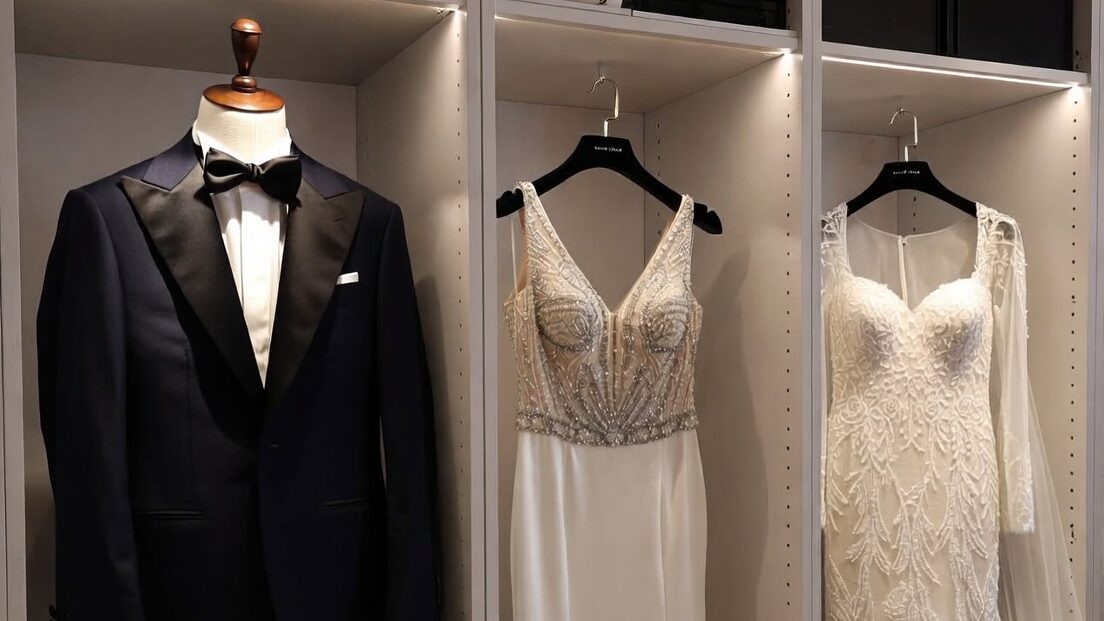
Formal wear is more than just clothing, it represents style, professionalism, and sometimes even cherished memories. From a carefully tailored suit that commands attention in the boardroom to a delicate wedding gown that captures a once-in-a-lifetime moment, these garments deserve thoughtful care. Yet many people struggle with the question: how often should you dry clean formal wear?
The answer isn’t one-size-fits-all. Factors such as fabric type, frequency of use, stains, and even climate play a role in determining when a piece needs professional attention. In this guide, we’ll explore practical tips, industry insights, and expert advice to ensure your formal wardrobe stays pristine, lasting years longer than the typical lifecycle of home laundry care.
1. What Counts as Formal Wear?
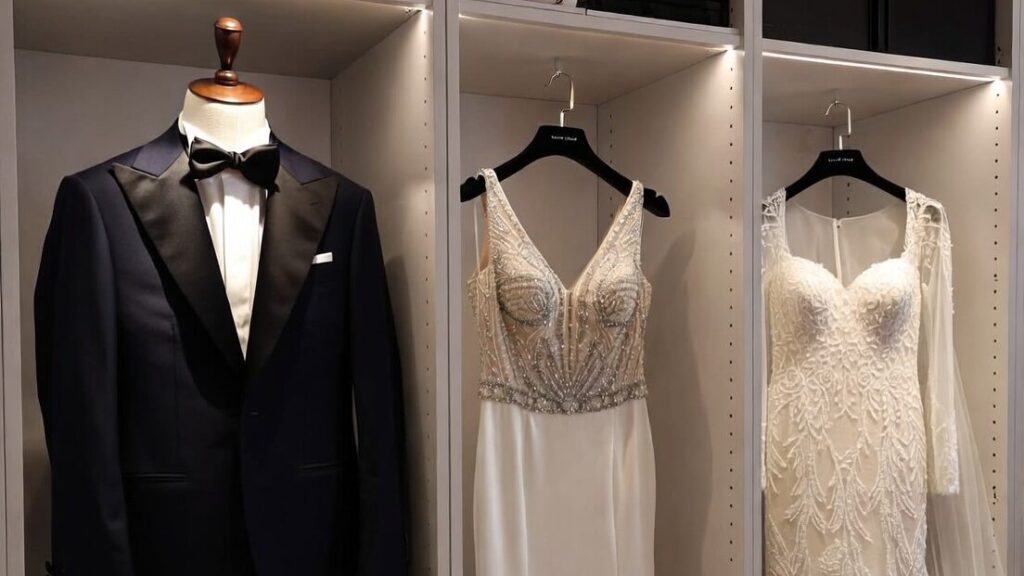
Formal wear refers to clothes that are designed for special occasions, professional events, or ceremonial settings, and they typically require careful handling due to delicate fabrics and structured tailoring. Think of the difference between a casual T-shirt and a tailored blazer, the latter demands attention because of its material and construction.
Common examples include:
- Suits and blazers: Often made of wool, tweed, or high-quality blends, suits are structured garments that lose shape if treated incorrectly.
- Evening gowns and cocktail dresses: Fabrics like silk, satin, chiffon, and lace are common in gowns. Embellishments such as sequins, beads, and embroidery make these garments vulnerable to damage.
- Wedding dresses: Usually a combination of delicate fabrics like tulle, lace, and silk, which require specialist care.
- Dress shirts and tuxedos: Even simple-looking shirts often contain delicate cotton blends, pleats, or embroidery that can be ruined by improper cleaning.
Expert Tip: Always check the care label before cleaning. Ignoring manufacturer instructions is one of the quickest ways to ruin a premium garment.
2. How Often Should You Dry Clean Formal Wear?
Knowing when to dry clean your formal wear is a balancing act. Clean too often, and you risk wearing down fibers prematurely; clean too infrequently, and stains and oils set permanently. Here’s a guideline based on garment type and usage:
| Garment Type | Recommended Dry Cleaning Frequency |
| Suits & Blazers | Every 4–6 wears |
| Dress Shirts | After 2–3 wears or sooner if visibly stained or sweaty |
| Evening Gowns & Dresses | After each use or when visibly soiled |
| Wedding Dresses | Immediately after the wedding and before storage |
Many people make the mistake of assuming every formal outfit needs cleaning after a single wear. In reality, dry cleaning should be need-based, not habitual. Spot-clean minor spills or use a quality handheld steamer to refresh your garment between professional cleans.
Practical Advice: Keep a small stain remover pen or gentle fabric cleaner handy for emergencies. It helps avoid unnecessary full-service dry cleaning.
3. Can You Dry Clean a Formal Dress?
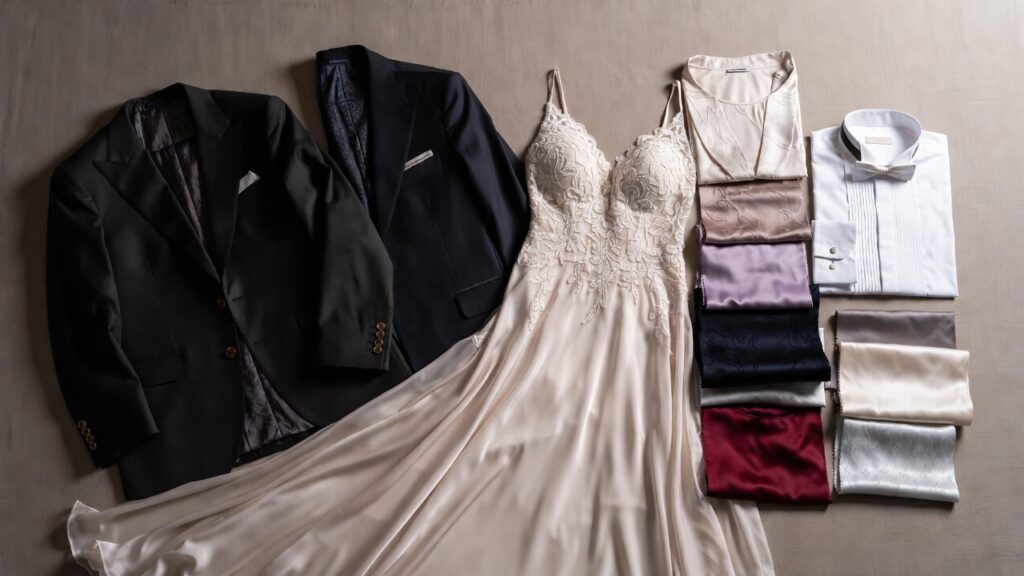
Yes, formal dresses, especially those made from silk, chiffon, satin, or embellished fabrics , should almost always be professionally dry cleaned. Home washing risks:
- Shrinkage: Delicate fibers like silk or satin may shrink or distort under water.
- Color fading or bleeding: Bright or dark dyes can run when washed in water, ruining both the dress and potentially other garments.
- Damage to embellishments: Beads, sequins, and embroidery can loosen or fall off with home laundering.
Pro Tip: Choose a dry cleaner experienced with luxury garments. Ask about specialized stain removal and preservation options. Their knowledge can prevent permanent damage that home methods cannot fix.
4. How Much Should You Pay to Dry Clean a Suit?
Dry cleaning costs vary depending on the garment’s material, complexity, and service quality. In India (2026 context), typical ranges are:
| Category | Actual Wash4You Price (Delhi NCR) |
|---|---|
| Standard Suits | ₹349 (2-pcs), ₹429 (3-pcs) (Wash4You) |
| Designer/Delicate Fabrics | ~₹199 – ₹599+ (heavier/delicate items like lehenga) (Wash4You) |
| Evening Gowns & Embellished Dresses | ₹199+ (basic), higher if heavy/embellished (Wash4You) |
Premium services often include stain removal, careful pressing, and protective packaging. While these prices may feel high, consider them as insurance for your investment. A single ruined suit or gown can cost far more than multiple professional cleaning sessions.
Expert Advice: If you have several formal garments, consider cleaners who offer loyalty programs or bulk service discounts. It reduces cost without compromising care.
5. Why Is Dry Cleaning Costly?
The cost of dry cleaning reflects the care, expertise, and technology required to maintain delicate fabrics. Factors include:
- Specialized chemicals and solvents: Unlike water-based washing, these chemicals clean without shrinking or damaging fibers.
- Skilled labor: Experienced professionals treat stains, press garments, and maintain shape.
- Advanced equipment: Dry cleaning machines are designed to minimize stress on fabrics, unlike home washing machines.
- Quality assurance: Reputable cleaners inspect garments and handle them carefully to prevent damage.
Trust Signal: Professional dry cleaners invest in knowledge, equipment, and quality checks. Cutting corners with cheaper services can lead to long-term garment damage.
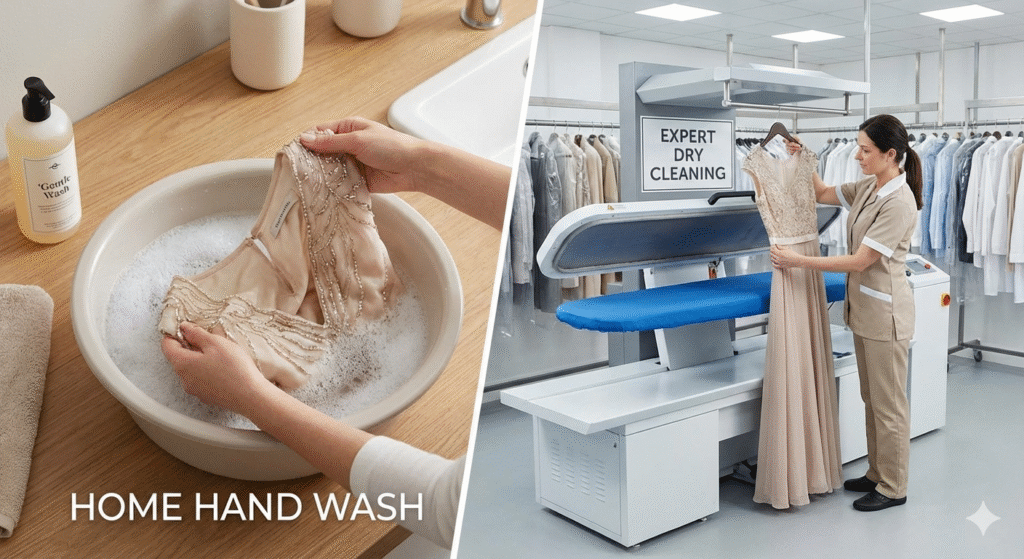
6. Is It Cheaper to Hand Wash or Dry Clean Formal Wear?

Image source: https://in.pinterest.com/pin/574631233718090582/
Hand washing might seem like a money-saving option, but it comes with hidden risks:
- Shrinking or distortion: Structured garments like blazers can lose their shape.
- Color bleeding: Dyes in luxury fabrics may run or fade.
- Damage to embellishments: Sequins, beads, or lace can break or detach.
Expert Insight: For high-value formal wear, professional dry cleaning is usually cheaper in the long run because it preserves both appearance and structural integrity.
7. What Are the Benefits of Professional Dry Cleaning?
Professional dry cleaning does more than just clean, it preserves, restores, and extends the life of your garments:
- Effective stain removal: Handles oil, sweat, wine, and other difficult stains safely.
- Fabric preservation: Maintains texture, color, and fiber strength.
- Shape retention: Ensures jackets, dresses, and blazers keep their structure.
- Hygiene and odor control: Eliminates invisible oils and odors that home washing might leave behind.
- Longevity: Reduces wear-and-tear, keeping clothes looking new for longer.
Authority Note: Studies in textile care indicate that professional cleaning can extend the lifespan of delicate garments by up to 50% compared to home washing methods.
8. What Happens If You Don’t Dry Clean Formal Wear?
Neglecting dry cleaning can have serious consequences:
- Permanent stains: Even faint oil or sweat marks can set over time.
- Fabric deterioration: Accumulated dirt and oils weaken fibers.
- Loss of structure: Jackets and dresses may lose their tailored shape.
- Lingering odors: Home washing may not remove body oils or smoke smell.
Pro Tip: Even if a garment looks clean, invisible residue can shorten its lifespan. Regular professional maintenance is the safest approach.
9. Can You Get a Wedding Dress Dry Cleaned After 2 Years?
Absolutely. Professional cleaners can restore wedding dresses even years after the event. Services often include:
- Removing yellowing and old stains
- Repairing minor tears, loose threads, or embellishments
- Packaging the dress in acid-free boxes for long-term preservation
Expert Advice: Use a specialist wedding dress cleaner who understands delicate fabrics like tulle, lace, and silk. Their expertise ensures preservation without further damage.
10. Extra Tips for Caring for Formal Wear Between Cleanings
Even with professional care, you can extend the life of your formal wardrobe with simple habits:
- Use garment bags: Protect clothing from dust and moisture.
- Rotate outfits: Avoid over-wearing a single garment.
- Spot-clean spills immediately: Prevent stains from setting.
- Steam lightly: Refresh fabrics without a full dry cleaning session.
Trust Signal: These are best practices used by professional stylists and cleaners worldwide to maintain luxury wardrobes.
Conclusion
Knowing how often to dry clean formal wear isn’t just about keeping clothes clean, it’s about protecting an investment and maintaining confidence in your appearance.
- Clean garments based on use, fabric type, and visible dirt.
- Avoid over-cleaning to protect fibers and embellishments.
- Use professional dry cleaning services for high-value or delicate garments.
- Spot-clean and steam when needed to extend the time between full cleans.
Your formal wardrobe deserves thoughtful care. With the right balance of professional cleaning, practical maintenance, and storage habits, your suits, gowns, and wedding dresses can remain timeless, elegant, and ready for any occasion.
FAQ
Q: Can you dry clean a formal dress?
A: Yes. Professional dry cleaning protects delicate fabrics like silk, chiffon, and embellished gowns, preventing shrinkage, color fading, and damage to delicate stitching.
Q: How often should formal wear be dry cleaned?
A: Suits: every 4–6 wears; shirts: after 2–3 wears; gowns and wedding dresses: after each use. Over-cleaning can harm fibers, while under-cleaning can cause stains.
Q: Is dry cleaning necessary after every wear?
A: Not always. Clean garments only when visibly dirty, stained, or odorous. Spot-cleaning or light steaming can often suffice between full cleans.
Q: Can you dry clean a wedding dress after years?
A: Yes. Specialized cleaners can restore and preserve a wedding dress even years later, removing stains, yellowing, and repairing delicate details.