Introduction
Habits That Preserve Your Clothes From Wear and Tear
Habits That Shorten Clothes’ Life
Different Fabrics Need Different Care
Washing vs Dry Cleaning: What Actually Preserves Fabric?
When You Should Choose Dry Cleaning Over Home Washing
Benefits of Dry Cleaning You Might Not Know
Price Comparison: Dry Cleaning vs Home Washing
How Dry Cleaning Extends Clothes’ Lifespan
Myths About Dry Cleaning
Conclusion
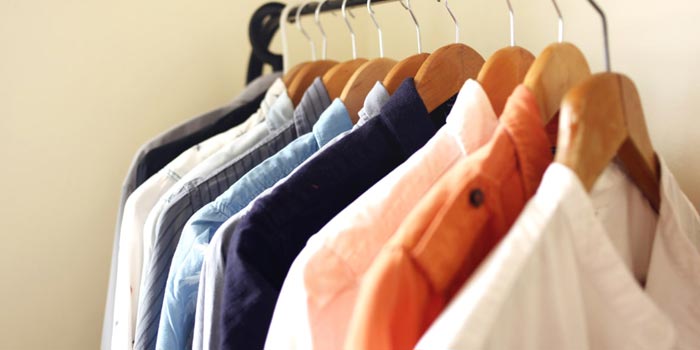
Image source: https://share.google/922pSZ8x9okpGuWt8
Introduction
You’ve probably experienced this: you buy a gorgeous shirt or a dress, wear it a few times, and suddenly it looks tired. The colors fade, the fabric pills, and that crisp newness disappears faster than you’d like.
It happens because most of us damage our clothes, unknowingly, every time we care for them. But there are ways to maintain clothes quality for years, save money in the long run, and keep your wardrobe looking all shine and lusture.
Habits That Preserve Your Clothes From Wear and Tear
Before we talk about what you’re doing wrong, let’s start with what actually works. These simple habits help you maintain clothes quality over time:
Turn clothes inside out before washing. This protects the outer surface from friction and prevents colors from fading. It’s especially important for printed or embroidered items.
Use cold water whenever possible. Hot water breaks down fibers faster and causes shrinkage. Cold water cleans effectively for most everyday items and keeps fabrics intact longer.
Don’t overload your washing machine. Cramming too many clothes creates friction and prevents proper cleaning. Your machine needs space for clothes to move freely.
Air dry instead of using a dryer. Heat is one of the biggest enemies of fabric.Air drying or laying clothes flat helps them keep their shape and prevents shrinking.
Store clothes properly. Fold heavy knits instead of hanging them so they don’t stretch. Keep your closet organized so your clothes don’t wrinkle or get damaged.
Wash less frequently. Jeans, jackets, and sweaters can go multiple wears between washes. It might seem odd, but clothes don’t need washing after every wear unless they’re visibly dirty or have an odor.
Treat stains immediately. The longer a stain stays, the harder it is to remove. Gently blot fresh stains with cold water before they set.
These habits are the basics to maintain clothes quality. But even then, many people still see their clothes wear out fast. Why? Because they’re also doing things that harm their clothes.
Habits That Shorten Clothes’ Life
Now for the uncomfortable truth. You might be destroying your clothes with these common mistakes:
Using too much detergent. Extra detergent can leave residue, make fabric stiff, and dull colors. Using half the recommended, you’ll be surprised how well it works.
Washing after every single wear. Over-washing is probably the number one killer of clothing. Each wash cycle puts stress on fibers, fades colors, and breaks down fabric structure. Unless it’s undershirts or workout gear, most items can handle multiple wears.
Ignoring care labels. Those little tags aren’t suggestions, they’re instructions based on the fabric’s specific needs. When you wash a “dry clean only” item at home, you may shorten their lifespan.
Using harsh stain removers without testing. A strong stain remover can remove the stain but may also fade colors or harm delicate fabrics. Test it on a hidden spot first.
Leaving clothes in the washer or dryer. Wet clothes sitting in a machine develop mildew and odors. Clothes left in a hot dryer develop wrinkles that become permanent creases.
Hanging wet clothes on wire hangers. This causes rust stains and mis-shapes shoulders. Invest in proper hangers appropriate for each garment type.
Mixing fabrics carelessly. Washing a rough towel with a delicate blouse creates friction that damages the fabric. Heavy zippers can snag softer materials.
The point is, most clothes get damaged because we treat everything the same. Different fabrics need different care to last longer.
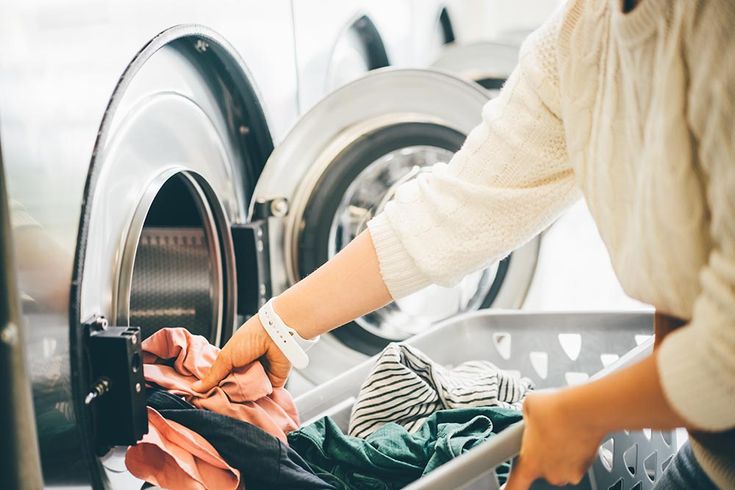
Image source: https://in.pinterest.com/pin/356699233003501522/
Different Fabrics Need Different Care
Think about it: you wouldn’t care for leather shoes like a cotton T-shirt. The same goes for all your clothes. To keep them in good shape, know what each fabric can handle.
Cotton is durable and can handle regular machine washing in cold to warm water.But it shrinks easily with heat, so air drying is best. High-quality cotton pieces benefit from gentler treatment.
Wool is naturally elastic and resistant to wrinkles, but it hates heat. Hand washing in cold water or dry cleaning preserves wool’s shape and softness.
Machine washing typically results in shrinkage and felting.
Silk is incredibly delicate despite its strength. Water can leave spots, and tumble damages the smooth fibers. Most silk items need dry cleaning to maintain their luster and drape.
Linen becomes softer with each wash but wrinkles easily. It can handle machine washing, but the tumble dryer will leave it looking permanently crumpled. Iron while slightly damp for best results.
Polyester and synthetic blends are generally low-maintenance and can handle machine washing. However, they’re prone to pilling and can trap odors if washed in hot water or dried on high heat.
Cashmere requires gentle handling similar to wool but is even more delicate. Hand washing with specialized detergent or professional cleaning keeps cashmere soft and prevents pilling.
Rayon and viscose are tricky, they’re made from natural fibers but processed with chemicals. They can shrink dramatically when wet and lose shape easily.
Many rayon pieces should be dry cleaned.
Denim is tough but loses color with every wash. Washing inside out in cold water minimizes fading. Heavy-duty jeans can go months between washes if you spot-clean and air them out.
The key point: some fabrics can’t handle regular washing. Even with care, water and detergent can damage fibers, change shapes, and fade finishes. That’s when dry cleaning becomes necessary.
Washing vs Dry Cleaning: What Actually Preserves Fabric?
Let’s be honest, dry cleaning isn’t about being fancy. It’s about using the right method for your clothes.
When you wash at home,many factors come into play. Water makes fibers swell, which can shrink clothes, fade colors, and change their shape.
The constant machine tumbling also wears fabrics down. For everyday stuff like cotton T-shirts or gym clothes, that’s fine, but delicate fabrics don’t handle it well.
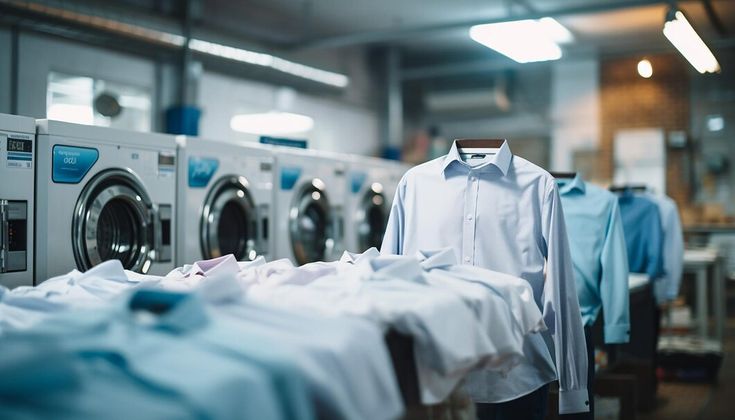
Dry cleaning, on the other hand, uses special solvents instead of water. These gently remove dirt and oils without shrinking or stressing the fabric. Your clothes keep their shape, softness, and finish.
Here’s an easy way to picture it: washing at home is like scrubbing your car with a rough sponge. Dry cleaning? That’s a soft microfiber cloth, both clean, but one is way gentler on delicate surfaces.
Dry cleaning also allows professionals to spot-treat stains with specific solutions, press garments back to their original shape, and inspect for damage that you might miss at home. This level of care is difficult to replicate in your laundry room.
The key question isn’t “which is better?” but rather “which is right for this specific garment?”
Understanding when to choose each method helps you maintain clothes quality effectively.

Image source: https://share.google/IXMeV0PfT3vmWclNw
When You Should Choose Dry Cleaning Over Home Washing
So how do you know when dry cleaning is the right choice? Here are clear indicators:
Always dry clean when the label says so. This isn’t a marketing ploy, manufacturers actually test their garments and know what they can handle. Ignoring “dry clean only” tags often results in damage.
Structured or tailored garments. Suits, blazers and dresses contain interfacing and shaping elements that water destroys. Dry cleaning maintains the crisp lines and professional appearance.
Silk, wool, cashmere, and rayon items. These fabrics are vulnerable to water damage, shrinkage, and shape distortion. Professional dry cleaning preserves their quality.
Clothes with stubborn stains. Oil-based stains like grease, makeup, and some food stains respond better to dry cleaning solvents than to water-based washing.
Garments that are difficult to iron. Dry cleaners press clothes using professional equipment that achieves results impossible to replicate at home.
For items that need to look crisp, this service is invaluable.
Your most expensive or sentimental pieces. When you’ve invested significantly in a garment, whether financially or emotionally, professional care is the safest option.
Clothes you don’t wear often. Special occasion wear benefits from professional cleaning and storage guidance to maintain quality between uses.
You don’t need to dry clean everything. But for these categories, professional care is an investment in longevity.
Benefits of Dry Cleaning You Might Not Know
Most people think dry cleaning is just about avoiding water damage. But there’s so much more to it:
Professional stain removal expertise. Dry cleaners are trained to identify stain types and apply the most effective treatment. Dry cleaners have special commercial products you won’t find in stores.
Fabric and color preservation. Dry cleaning preserves a fabric’s natural oils, keeping your clothes soft and their colors vibrant.
Shape retention. Experts press and steam garments to keep their shape, undoing the stretching and warping that often comes from washing at home.
Odor elimination. Dry cleaning solvents are specially effective at removing odors that home washing can’t touch, especially in fabrics that trap smells like wool and synthetics.
Extended garment lifespan. By reducing wear and tear from aggressive washing, dry cleaning can double or triple the usable life of delicate garments.
Convenience. Hand washing, air drying, and ironing your clothes properly can be time-consuming. Dry cleaning takes care of it professionally while you relax.
Inspection and minor repairs. Dry cleaners like Wash4You check for loose buttons, small tears, and other issues, often fixing minor problems before they become major damage.
Expertise for special items. Wedding dresses, leather jackets, vintage pieces, dry cleaners have specialized knowledge for items you might not know how to care for yourself.
When you consider these benefits, dry cleaning becomes less about luxury and more about smart garment maintenance.
Price Comparison: Dry Cleaning vs Home Washing
“But dry cleaning is so expensive!” This is the most common objection, and it’s worth consideration.
Let’s do some quick math. Imagine you buy a good wool blazer for Rs. 15,000. If you wash it at home, it might only last a year or two before losing its shape, shrinking, or looking worn out.
Now, if you dry clean it 3–4 times a year at Rs. 600 each, that’s Rs. 2,400 per year. Over five years, you’d spend Rs. 12,000, but your blazer would still look sharp and professional.
Compare that to replacing it three times over the same period because home washing ruined it. That’s Rs. 45,000 just on new blazers, plus the hassle of constantly shopping for work clothes.
Consider also:
Hidden costs of home washing. Water, electricity, detergent, and dryer sheets add up. If your machine damages a garment, that’s the biggest cost of all.
Time is money. How much is your time worth? Between sorting, washing, drying, ironing, and managing laundry, home care of delicate items can take hours you could spend elsewhere.
Fewer clothes needed overall. When your clothes last longer and look better, you don’t feel the constant need to refresh your wardrobe. This reduces overall spending on clothing.
Dry cleaning isn’t free, but it’s not the budget killer many people assume. When you factor in garment longevity and replacement costs, professional care often saves money in the long term.
How Dry Cleaning Extends Clothes’ Lifespan
Let’s get specific about why professionally cleaned clothes last longer:
Gentler cleaning process. Without the harsh agitation of washing machines and the heat stress of dryers, fibers experience less breakdown. Each dry cleaning session causes minimal wear compared to machine washing.
Proper solvent selection. Different fabrics respond to different solvents. Professional dry cleaners match the cleaning solution to your garment’s specific needs, ensuring effective cleaning without damage.
Professional finishing. The pressing and steaming process doesn’t just make clothes look better, it actually helps fibers return to their proper alignment, maintaining the garment’s structural integrity.
Better stain removal without damage. Aggressive home treatment of stains often causes more harm than the stain itself.
Professional spot treatment removes marks without compromising fabric.
Expert handling of problem areas. Dry cleaners know that collars and cuffs need extra attention, that certain areas are prone to stretching, and how to prevent damage in vulnerable spots.
Myths About Dry Cleaning
Let’s address some common misconceptions that might be holding you back:
Myth: Dry cleaning is bad for clothes because it uses harsh chemicals. Reality: Modern dry cleaning solvents are gentle on fabrics. They’re actually less harsh than many home laundry detergents. Many dry cleaners also use environmentally friendly options.
Myth: You should dry clean clothes before every wear.
Nope. Most “dry clean only” garments don’t need constant cleaning. Unless something is visibly dirty or smells off, let it be. This simple habit alone helps you maintain clothes quality for much longer.
Myth: All dry cleaners are the same.
Reality: Big difference. Huge. Some cleaners invest in better machines, skilled staff, and proper processes, Wash4You is a good example. That level of care makes it easier to maintain clothes quality, and you actually feel the difference when you get your clothes back.
Myth: Dry cleaning shrinks clothes.
Reality: Shrinking usually happens at home when clothes are washed or dried incorrectly. Professional dry cleaning keeps garments in their original shape, which is crucial when you’re trying to maintain clothes quality.
Myth: You can dry clean anything at home with a kit.
Reality: Those kits? They’re basically fabric fresheners with a little spot treatment. Handy between cleanings, sure, but they don’t replace real dry cleaning. If you want to truly maintain clothes quality, leave the deep cleaning to the pros.
Myth: The smell of dry cleaning is toxic.
Reality: That smell you get sometimes? It’s usually from the pressing process, not the cleaning chemicals. And it disappears fast. If you’re still unsure, ask your cleaner what solvents they use. Good cleaners are transparent because they know their process helps maintain clothes quality safely.
Myth: Dry cleaning is only for expensive clothes. Reality: While it makes sense to invest in professional care for pricey items, even affordable garments in dry-clean-only fabrics benefit from proper treatment. It’s about fabric type, not price tag.
Understanding these truths helps you make informed decisions about garment care.
Image source: https://in.pinterest.com/pin/17592254789834624/
Conclusion
Learning how to maintain clothes quality doesn’t have to be complicated. It starts with understanding your fabrics, adopting habits that preserve rather than damage, and knowing when to call in professional help.
Take a look at your closet today. Which pieces have you been washing at home that might benefit from professional care? Making that shift could transform how long your favorite clothes last and how good they continue to look.
Your clothes deserve the right care. Now you know exactly how to give it to them.
FAQs
How often should I dry clean my work suits?
Suits usually need dry cleaning every 3–4 wears, or anytime they start to look dull or smell a bit off. You don’t need to overdo it. Between cleanings, just hang them properly and use a garment brush to remove dust. These small habits really help you maintain clothes quality without extra effort.
Can I reduce my dry cleaning bills without damaging my clothes?
Absolutely, you can! Treat small stains as soon as they happen, air your clothes out after each wear, and use a steamer to freshen them up. When you clean only when it’s genuinely needed, you save money and you maintain clothes quality for much longer.
What’s the difference between “dry clean only” and “dry clean recommended”?
“Dry clean only” is strict, washing at home can damage the garment, sometimes permanently. “Dry clean recommended” is more flexible. You might hand wash it carefully, but you’re taking a risk. When in doubt, go professional if you want to maintain clothes quality safely.
How do I know if a dry cleaner is good quality?
A great dry cleaner inspects your clothes before cleaning, explains stain treatments, offers clear pricing, and returns everything properly pressed. They’re confident in their work and usually offer guarantees. This level of care is exactly what helps you maintain clothes quality over time.
Will dry cleaning remove all stains?
Not always. Some stains, especially old, set-in, or home-treated ones, might be permanent. But good cleaners, like Wash4You, use advanced products and techniques to get the best possible results. When you trust experts, you’re giving your garments the best chance to maintain clothes quality.
Is it worth dry cleaning inexpensive clothes?
Yes, in many cases. If a cheaper garment says “dry clean only,” ignoring that label can ruin it fast. Think about how often you wear it and whether it matters to your wardrobe. Sometimes spending a little ensures you maintain clothes quality and get more wear out of the piece.
How should I store clothes between dry cleaning sessions?
Keep structured items on good hangers in a cool, dry closet. Remove those plastic covers from the dry cleaner, the fabric needs to breathe. And for seasonal storage, use breathable garment bags. Proper storage is one of the easiest ways to maintain clothes quality year-round.
Can dry cleaning fix clothes damaged by home washing?
Sometimes, but not always. Professional pressing can help reshape a mildly distorted garment, but severe shrinkage or color bleeding is usually permanent. Prevention matters most if you want to consistently maintain clothes quality.