- Introduction
- Why Don’t My Favorite Clothes Last Longer?
- Why Do Most of My Clothes Shrink After Washing?
- What Do Wash Care Symbols Really Mean?
- How to Read Wash Labels on Different Types of Clothes
- How Reading Wash Labels Helps Your Clothes Last Longer
- Which Cleaning Method Is Safest? (Machine vs Hand Wash vs Dry Clean)
- Common Mistakes to Avoid When Reading Wash Labels
- FAQs
- Conclusion
Introduction
Have you ever pulled your favorite shirt out of the dryer only to find it shrunk, faded, or completely damaged? Most of our clothes don’t get damaged because low- quality, it happens because we don’t fully understand how to read wash labels on clothes.
Those tiny symbols inside your garment might look confusing at frst, but they’re actually your clothes’ instruction manual. Once you learn how to read wash labels on clothes correctly, you’ll prevent shrinkage, avoid fabric damage, and extend the life of everything from cotton tees to delicate satin scarves.
Let’s break it down in a simple, practical way.
Why Don’t My Favorite Clothes Last Longer?
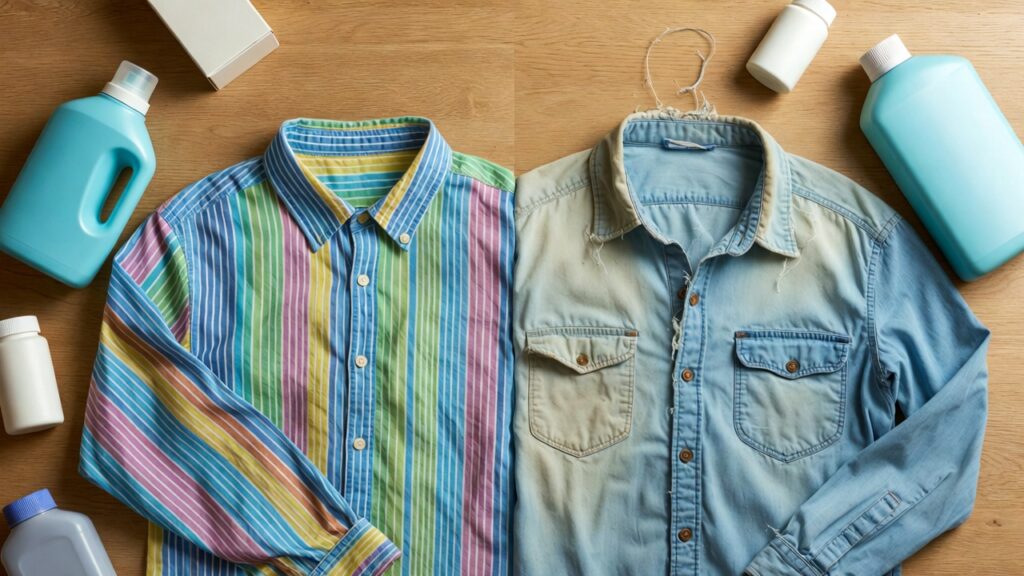
If you’ve ever wondered why your favorite outfit fades or loses shape too quickly, then you are not taking care of your clothes. Most people skip learning how to read wash labels on clothes, and that small oversight leads to their clothes getting damaged and that means you are spending more on new clothes after a few months.
Clothing fibers react differently to water temperature, agitation, and heat. When you ignore wash labels, you expose fabrics to stress they weren’t designed to handle.
Common Reasons Clothes Wear Out Early
- Washing in high temperatures
- Using harsh detergents
- Ignoring “dry clean only” instructions
- Over-drying in high heat
| Care Mistake | Result |
| Hot wash | Shrinking |
| High tumble dry | Fiber damage |
| Ignoring ironing temperature | Shine marks |
Understanding how to read wash labels on clothes prevents these avoidable mistakes.
Why Do Most of My Clothes Shrink After Washing?
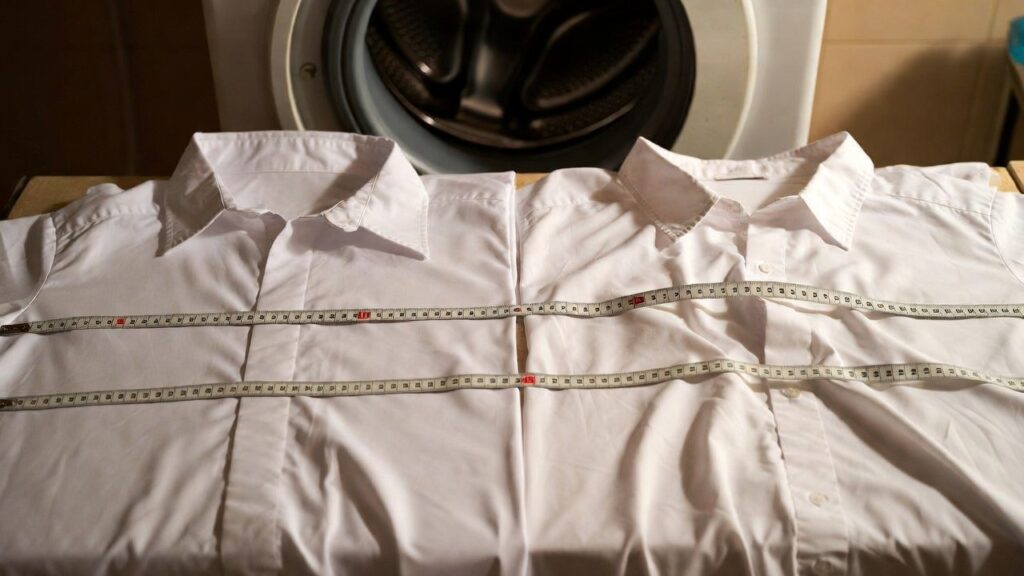
Shrinkage is one of the most common laundry complaints. But it doesn’t just happen randomly. It happens because wash labels were not read properly. You need to understand wash labels, if you don’t want to ruin your clothes. There are a lot of other reasons as well why your clothes are shrinking.
Different fabrics shrink for different reasons:
- Cotton shrinks with heat
- Wool shrinks with agitation
- Satin fabric may warp with high temperatures
When people don’t know how to read wash labels on clothes, they often use one standard setting for everything.
What Causes Shrinkage?
- Washing above recommended temperature
- Tumble drying delicate fabrics
- Using high heat iron settings
For example, satin care requires controlled heat. If you use a low heat iron satin fabric setting, you avoid damage. But high heat can permanently alter texture, the same way ironing satin without burning requires attention to detail.
| Fabric Type | Safe Temperature | Shrink Risk |
| Cotton | Warm | Medium |
| Wool | Cold | High |
| Satin | Low heat | Moderate |
Learning how to read wash labels on clothes helps you match temperature to fabric type.
What Do Wash Care Symbols Really Mean?
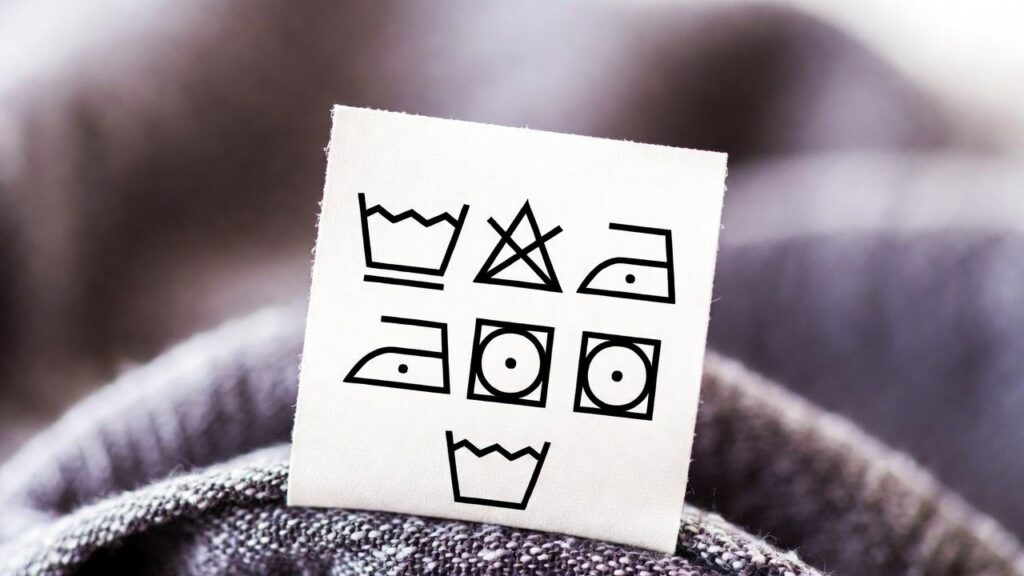
Wash labels use universal symbols. Once you understand them, reading them becomes easy and it becomes easier for you to take proper care of your clothes.
Here’s a simple breakdown:
Basic Laundry Symbols
- Tub symbol = Washing instructions
- Triangle = Bleaching
- Square with circle = Tumble drying
- Iron symbol = Ironing temperature
- Circle = Dry cleaning
Featured Snippet Style Guide
| Symbol | Meaning | What It Tells You |
| Tub with number | Max water temp | Don’t exceed temperature |
| Iron with dots | Heat level | 1 dot = low, 3 dots = high |
| Circle with letter | Dry clean | Professional cleaning needed |
For example, if you see one dot inside the iron symbol, it means low heat, similar to proper ironing delicate satin. Using high heat could cause shine damage, just like when trying to avoid iron marks on satin.
Knowing how to read wash labels on clothes removes guesswork completely.
How to Read Wash Labels on Different Types of Clothes?
Not all clothes require the same care. Cotton, wool, silk, and satin each react differently to different temperatures of water and ironing.
When learning how to read wash labels on clothes, pay attention to both the symbol and the fabric type.
Cotton & Polyester
- Usually machine washable
- Medium heat ironing allowed
- Moderate shrink risk
Satin & Delicate Fabrics
- Low heat iron satin fabric only
- Avoid strong spin cycles
- Use pressing cloth if ironing
Improper ironing can leave shiny patches. That’s why proper ironing delicate satin requires low temperature and patience.
| Fabric | Washing Method | Ironing Advice |
| Cotton | Machine wash | Medium heat |
| Satin | Gentle cycle | Low heat, avoid direct pressure |
| Wool | Cold hand wash | Steam only |
If you’re trying to remove wrinkles from satin clothes, always check the ironing temperature symbol on care labels, first. It helps you understand whether your favourite satin pieces need to be ironed or not.
Understanding how to read wash labels on clothes ensures you adapt care by category.
How Reading Wash Labels Helps Your Clothes Last Longer
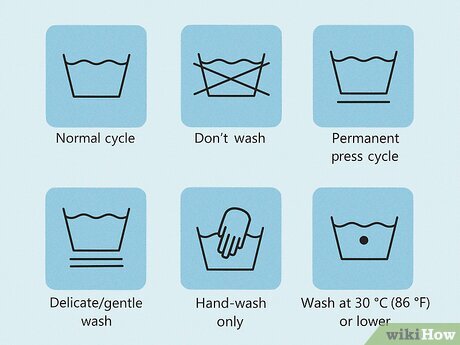
https://share.google/8QPQK4cqCkS5O13mP
Think of wash labels as instruction guides. Those symbols are not just suggestion, instead they exactly tell you how to take care of your clothes.
When you follow them, you:
- Preserve fabric strength
- Maintain color vibrancy
- Avoid unnecessary repairs
Many people damage clothes during ironing. For example, steam vs iron satin scarves debates usually happen after someone uses too much direct heat.
| Following Label | Ignoring Label |
| Fabric lasts longer | Early wear |
| Less shrinkage | Size changes |
| Better appearance | Fading & dullness |
Learning how to read wash labels on clothes is one of the easiest ways to protect your wardrobe investment.
Which Cleaning Method Is Safest? (Machine vs Hand Wash vs Dry Clean)
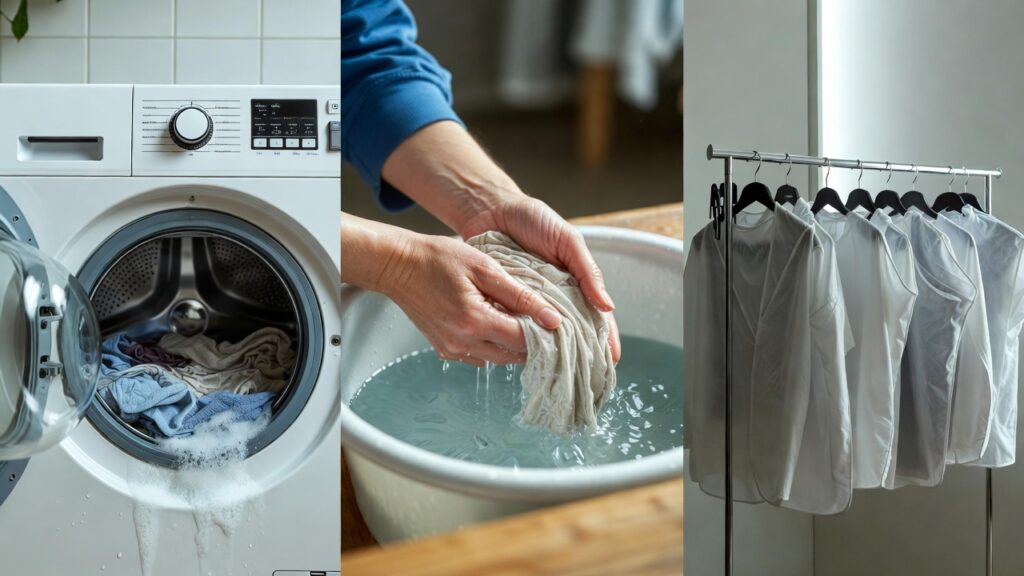
Choosing the right cleaning method depends on the care label.
Machine Wash
Best for durable fabrics like cotton and polyester.
Hand Wash
Ideal for delicate satin and silk.
Dry Clean
Required for structured garments or “dry clean only” labels.
| Method | Best For | Risk Level |
| Machine | Everyday wear | Moderate |
| Hand wash | Delicate fabrics | Low |
| Dry clean | Structured garments | Very low |
If you are not sure how to iron satin without leaving shine marks, consider a professional dry- cleaning method as it avoids any kind of damage to your clothes. Services like Wash4You makes your life convenient and knows how to take care of your clothes properly.
Knowing how to read wash labels on clothes helps you choose the safest cleaning method every time.
Common Mistakes to Avoid When Reading Wash Labels – Wash4You Explains
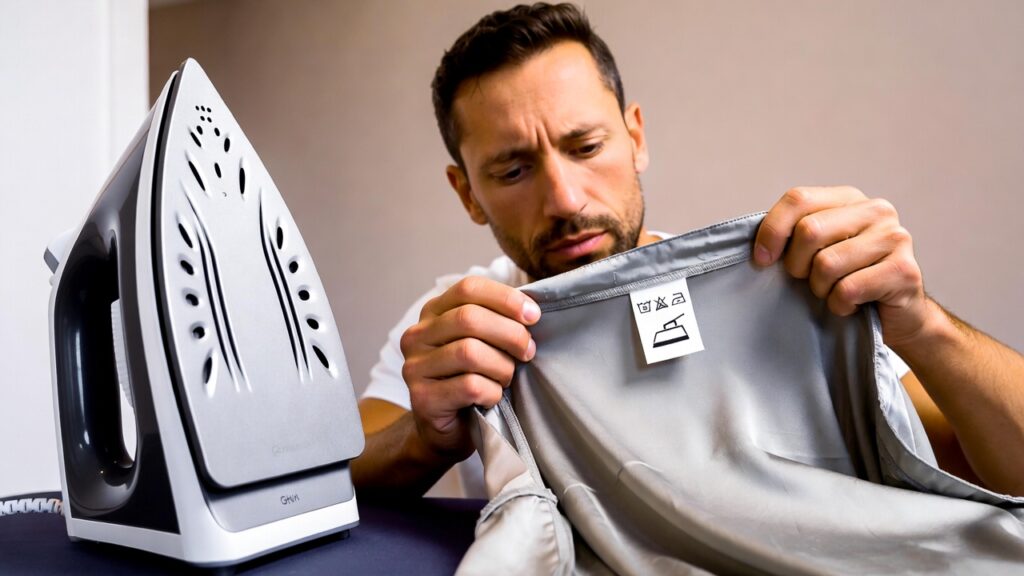
Even when people look at labels, they misunderstand those symbols. Instead of researching more, they tend to experiment with their clothes. Let’s look at some common errors people make-
Common Errors
- Ignoring temperature numbers
- Confusing dry clean symbol
- Assuming all fabrics handle heat equally
For example, using high heat to iron satin scarves may lead to damage. To avoid iron marks on satin, always follow the heat dots shown on the label.
Quick Safety Checklist
- Match iron temperature to dot symbol
- Never guess fabric tolerance
- Test delicate satin before full ironing
Understanding how to read wash labels on clothes prevents these costly mistakes.
Key Takeaways
If you remember just a few things, remember these:
- Wash labels are fabric instruction manuals.
- Temperature symbols matter more than you think.
- Low heat protects delicate fabrics like satin.
- Matching the cleaning method to fabric extends garment life.
- Proper label reading prevents shrinkage and shine damage.
Mastering how to read wash labels on clothes gives you control over your wardrobe’s lifespan.
FAQs: How to Read Wash Labels on Clothes
1. How do I read wash labels on clothes correctly?
Start by identifying the washing tub symbol for temperature, then check drying, ironing, and dry cleaning symbols. Learning how to read wash labels on clothes ensures you match care instructions to fabric type and avoid damage.
2. What do the dots on the iron symbol mean?
Dots indicate heat level. One dot means low heat, two medium, and three high. This is especially important for delicate fabrics where ironing satin without burning requires low temperature.
3. Why do clothes shrink even if I wash them normally?
Shrinkage often happens when you ignore recommended temperatures. Understanding how to read wash labels on clothes helps you choose the right heat setting.
4. Is hand washing safer than machine washing?
For delicate fabrics like satin, yes. Hand washing reduces friction and lowers damage risk.
5. Can I ignore “dry clean only” labels?
It’s risky. Some fabrics lose structure or shine when washed at home.
6. What temperature should I use for delicate fabrics?
Use cold water and low heat ironing settings to prevent damage.
7. How do I avoid iron marks on satin?
Follow the label’s heat instructions and use a pressing cloth.
8. What does the triangle symbol mean?
It indicates bleaching instructions.
9. Can I steam instead of iron?
For delicate fabrics, steam is often safer than direct heat.
10. Why is learning how to read wash labels on clothes important?
Because it protects fabric quality, prevents shrinkage, and saves money in the long run.
Conclusion
Understanding how to read wash labels on clothes is one of the simplest ways to protect your wardrobe. Those small symbols guide you on the right temperature, drying method, and ironing settings, helping prevent shrinkage, fading, and fabric damage.
By following garment care instructions carefully, you extend the life of your favorite pieces and avoid unnecessary replacement costs.
And if you ever feel unsure about handling delicate fabrics or “dry clean only” items, professional services like Wash4You ensure your clothes are cleaned according to their exact care labels, giving you peace of mind and long-lasting results.
Taking a few extra seconds to check the label today can save your wardrobe tomorrow.