- Introduction
- Top 10 mistakes that damage Fabric
- Why is there still a stain on my cotton shirt even after washing it at home?
- How to fix the ruined fabrics?
- Common Ironing Mistakes That Damage Activewear Fabric
- Why do my winter clothes smell bad after being stored for months?
- Why Winter Clothes Are More Affected
- How Humidity Damages Clothes and How to Store Them Safely
- Conclusion
Introduction
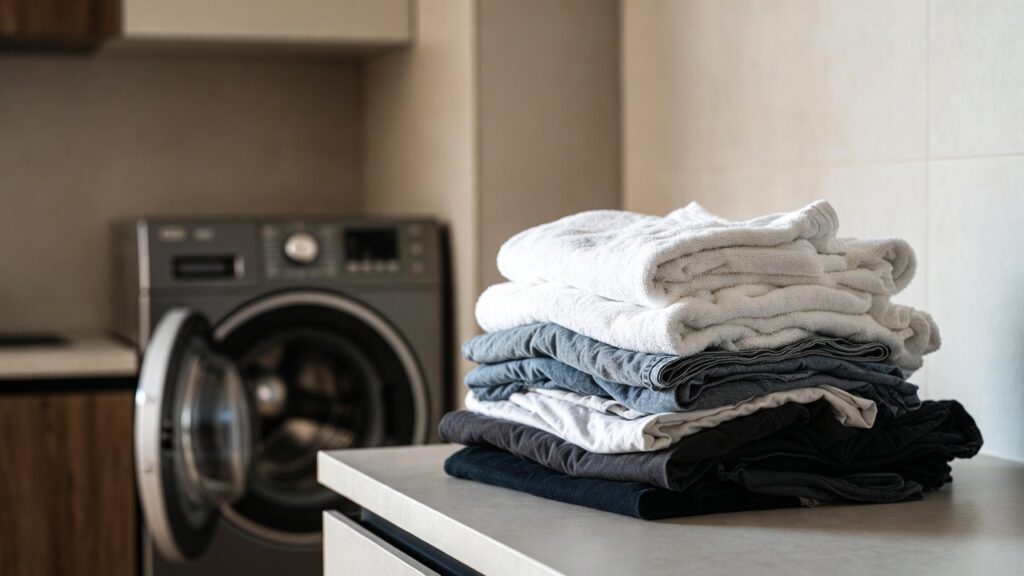
Fabric care may seem simple, but everyday laundry habits can damage your clothes. Many people unknowingly repeat the top 10 mistakes that harm garments. This can lead to faded colors, rough textures, shrinking, and weakened fibers.
These problems don’t happen overnight but they gradually make clothes look old, worn, and lifeless sooner than expected.
In this guide we will discuss the top 10 mistakes that damage fabric, and which preventive measures you could take to make your clothes last longer.
Top 10 mistakes that damage Fabric
Also see: Here’s How to Maintain Clothes Quality After Multiple Uses
Let’s take a look at common top 10 mistakes that people unknowingly make that damage fabric-
- Washing Clothes Too Often
Over-washing weakens fabric fibers, causes fading, and shortens the life of your clothes. This is especially true for denim, knits, and delicate items. - Ignoring Care Labels
Care labels exist for a reason. Skipping them can lead to shrinkage, color bleeding, and fabric distortion. - Using Too Much Detergent
Extra detergent doesn’t mean cleaner clothes. It stiffens fabric and attracts more dirt over time. - Washing Everything Together
Mixing heavy fabrics with delicate ones causes friction, tearing, and pilling. Sorting by color and fabric type is essential. - Using the Wrong Water Temperature
Hot water can shrink clothes and fade colors, while cold water may not suit heavily soiled items if not used correctly. - Overloading the Washing Machine
Stuffing the machine prevents proper cleaning and increases fabric stress, stretching seams and weakening fibers. - Improper Drying Practices
High heat damages elastic, shrinks fabrics, and makes clothes rough. Air-drying or low-heat settings are often safer. - Ironing Mistakes
Using excessive heat or ironing delicate fabrics without protection can burn, shine, or permanently damage clothes. - Skipping Fabric Protection Steps
Not turning clothes inside out, skipping laundry bags, or washing zippers open increases friction and surface damage. - Poor Storage Habits
Hanging heavy garments, folding knits incorrectly, or storing clothes in damp spaces leads to stretching, creasing, and mold.
By avoiding these top 10 mistakes that damage clothes, would not just extend fabric life but also save you money .
Why is there still a stain on my cotton shirt even after washing it at home?
Stains may ruin your clothes and your mood altogether. As we all know that cotton fabric could be washed at home but some stains do not rinse off easily as shown in commercials.
Before ruining your clothes even more, let’s take a look at the table below to understand some of the common stains and how to deal with them.
| Common Stains | Pre- Wash & Fabric Care |
| Curry/ Turmeric | Rinse with cold water, apply liquid detergent or dish soap, avoid hot water |
| Oil/Grease | Blot excess oil, sprinkle baking soda or cornflour, apply dish soap |
| Tea/ Coffee | Rinse immediately with cold water, avoid soap until stain fades |
| Sweat Marks | Apply baking soda paste or vinegar solution, let sit before washing |
What to do if the stain is still there?
If the stain still has not been removed, and you’re hoping that laundering multiple times would get rid of the stain. But let’s be clear you are damaging the fabric furthermore.
What should I do if my clothes get burned in the dryer?
Clothes getting ruined in the dryer is more common than you think. Longer cycles, high- heat tempers with the fabric quality,causes stiffness or shrinkage that permanently damages fabric.
Here are a list of fabrics that are most likely to get ruined in the dryer-
- Cotton – Can scorch, shrink, and become rough
- Wool – Shrinks, felts, and hardens quickly
- Silk – Loses shine, weakens, may burn
- Rayon / Viscose – Shrinks and warps badly
- Linen – Becomes brittle and overly creased
- Polyester & Synthetics – Can melt or develop shiny burn spots
Drying these fabrics for prolonged periods can actually damage them and using a dryer multiple times is one of the top 10 mistakes that damage Fabric.
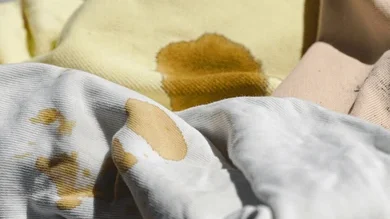
How to fix the ruined fabrics?
Source: https://share.google/66XFPsg2o2JUWur7u
While some damages cannot be reversed but if for slightly damaged fabric you could try these methods listed below-
For stiffness or roughness
- Soak in cold water with fabric conditioner
- Air-dry flat
For slight scorching or shine marks
- Steam gently (don’t iron directly)
- Use a pressing cloth
For shrinkage
- Gently stretch while damp
- Lay flat to dry
For delicate and structured clothes professional dry cleaning is one of the safest ways to preserve fabric life. Dry cleaning avoids high heat, reduces fiber stress, and helps maintain:
- Original texture
- Shape and fit
- Color vibrancy
- Fabric strength
It’s especially beneficial for wool, silk, blends, and special-occasion clothing.
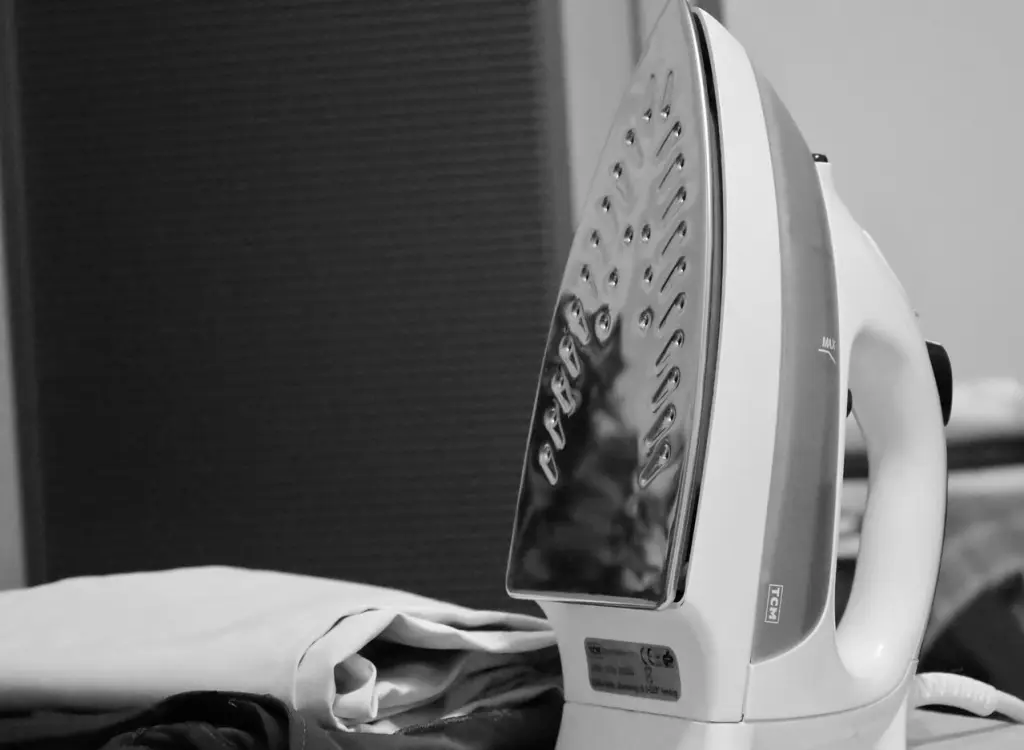
Common Ironing Mistakes That Damage Activewear Fabric
Source: https://share.google/ZqAzWuU7eObk7OoDh
Ironing may seem like a quick solution for wrinkles, but for stretch fabrics like spandex and polyester, high heat can permanently weaken the fibers, create shine, or even melt the fabric.
You can also discover safer methods to keep your activewear, swimwear looking new and fresh.
Fabrics which cannot be ironed are-
- Silk
Heat can burn fibers, remove shine, and cause water marks. - Wool
Direct ironing flattens fibers, causes shine, and can shrink the fabric. - Rayon / Viscose
Extremely heat-sensitive; ironing often leads to distortion and scorch marks. - Polyester & Synthetic Blends
Can melt, harden, or develop shiny iron marks. - Velvet & Corduroy
Ironing crushes the pile and ruins texture. - Spandex / Elastane Blends
Heat breaks elasticity permanently.
Instead of putting direct heat on these fabrics, you could maintain their quality and extend the fabric life. By taking these measures below-
Better Options That Protect Fabric
- Steam Instead of Ironing
Removes wrinkles without direct heat contact
Ideal for silk, wool, synthetics, and blends - Hang Clothes Immediately After Washing
Gravity helps smooth wrinkles naturally - Use a Fabric Steamer in the Bathroom
Steam from a hot shower works for light wrinkles - Lay Flat & Smooth by Hand While Damp
Best for knits, wool, and delicate fabrics - Professional Dry Cleaning (Best for Fabric Life)
Maintains shape, texture, and finish
Ideal for delicate, structured, and premium garments
Always read those care labels without experimenting with your clothes. Avoiding care labels is one of top 10 mistakes that damage fabric.
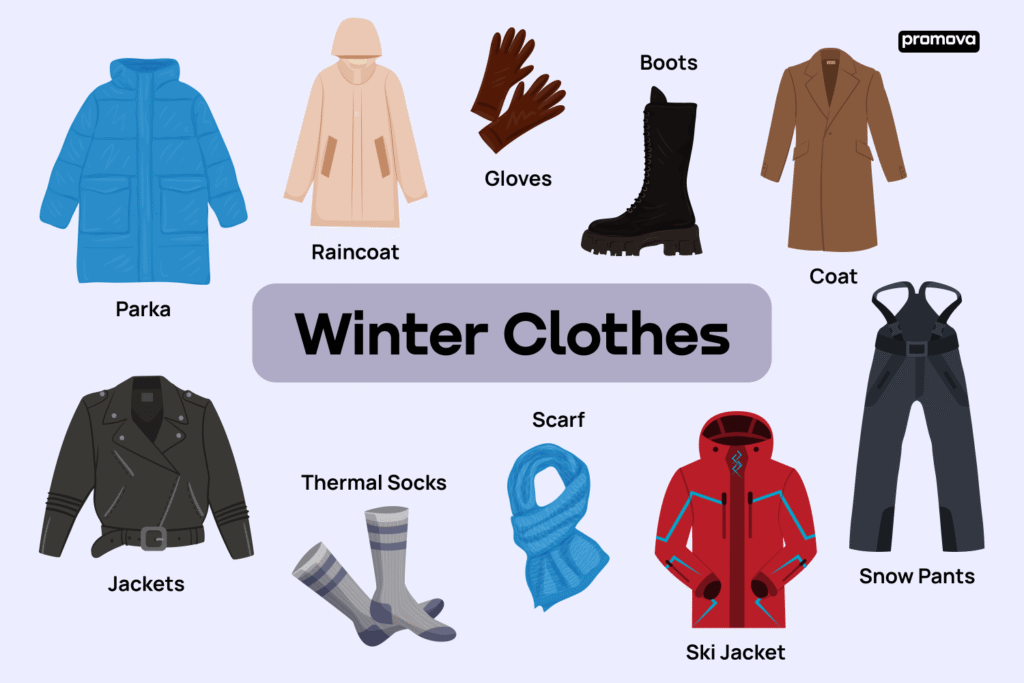
Why do my winter clothes smell bad after being stored for months?
Source: https://share.google/mgwmWYU2pqV50qxQX
If your winter clothes smell weird when taken out of storage, it does not mean they are dirty, but it is about how and where they were stored at?,
Here are some of the common reasons behind that stink-
Stored Without Proper Cleaning
Even if clothes look clean, invisible sweat, body oils, and skin cells remain in the fabric. Over months, these residues break down and cause odor.
2. Moisture Trapped in Fabric
Putting clothes away when they’re slightly damp (or storing them in humid spaces) creates the perfect environment for musty smells and mildew.
3. Lack of Air Circulation
Sealed plastic bags or tightly packed boxes prevent airflow, causing stale, trapped odors to build up over time.
4. Natural Fibers Absorb Odors Easily
Wool, cashmere, and heavy knits naturally absorb moisture and smells more than lighter fabrics, making them prone to storage odor.
5. Closet or Storage Space Odors
Closets, basements, or under-bed storage often carry their own smells, which fabrics absorb during long-term storage.
6. Skipping Seasonal Freshening
Clothes stored for months without airing or refreshing naturally develop stale smells, even when stored correctly.
Why Winter Clothes Are More Affected
Winter garments are:
- Thicker and heavier
- Worn directly against skin
- Less frequently washed
- Made of odor-absorbing fibers
This combination makes them especially prone to smell when stored long-term
Your winter wardrobe might stink but these issues are still preventable. Here’s how you can fix it-
1. Always Clean Before Storing
Even lightly worn clothes carry sweat, oils, and dirt that cause odor over time.
- Wash or professionally clean winter garments before storage
- Pay special attention to collars, cuffs, and underarms
2. Make Sure Clothes Are Completely Dry
Any leftover moisture leads to musty smells and mildew.
- Air-dry fully before folding
- Avoid storing clothes right after steaming or ironing
3. Choose Breathable Storage
Avoid airtight plastic bags that trap odor.
- Use cotton storage bags or fabric boxes
- Line storage bins with clean cotton sheets
4. Store in a Cool, Dry Place
Heat and humidity worsen odor problems.
- Avoid basements, damp closets, or near bathrooms
- Choose well-ventilated shelves or cupboards
5. Add Natural Fresheners (Not Heavy Fragrance)
Light protection helps without overpowering fabrics.
- Cedar blocks or lavender sachets
- Avoid placing directly on fabric, wrap in cloth
Take these preventive measures as a care guide for your Winter wardrobe essentials, storing your clothes improperly is one of the top 10 mistakes that damage fabric.
How Humidity Damages Clothes and How to Store Them Safely : Wash4You Explains

Source: https://share.google/UC2LQQ20vuHiOXF6m
Humidity can trap moisture in your expensive clothes, when you store them for too long. Knowing how to store and reverse the damage caused by humidity could make a huge impact on your wallet and save plenty of time.
Here are other common points which you need to consider before storing your expensive clothes this monsoon-
Moisture Build-Up
High humidity seeps into wardrobes, causing fabrics to feel damp even when unused.
Mold & Mildew Growth
Luxury fabrics like silk and wool are especially prone to fungal growth in monsoon conditions.
Persistent Musty Odor
Once trapped, damp smells are difficult to remove without professional cleaning.
Fabric Yellowing
Improper storage leads to discoloration, particularly on whites and light-colored garments.
Color Bleeding
Excess moisture can cause dyes to bleed or transfer between stored clothes.
Loss of Fabric Strength
Humidity weakens fibers over time, making expensive clothes tear or wear out faster.
Damage to Embellishments
Beads, sequins, zari, and embroidery can corrode, loosen, or stain surrounding fabric.
Leather & Suede Deterioration
Monsoon moisture causes cracking, peeling, and fungal patches on premium leather items.
Here’s how you can save your clothes from getting damaged during monsoon and extend the fabric life, by following the guide below-
1. Silk & Satin
Store in breathable cotton covers and keep away from direct humidity. Avoid plastic bags, as silk absorbs moisture quickly and can develop stains or fungus.
2. Wool & Cashmere
Ensure garments are completely dry before storing. Use natural moth repellents like cedar or neem and allow airflow to prevent musty odors.
3. Linen & Cotton
Fold neatly and store in well-ventilated spaces. Light ironing before storage helps remove trapped moisture and keeps creases from setting in.
4. Leather & Suede
Keep in dust bags with silica gel or dehumidifiers. Never store in airtight containers, as trapped moisture causes cracking and mold.
5. Embellished & Designer Wear
Wrap in soft muslin cloth and store flat when possible. Protect embroidery, sequins, and zari from moisture and pressure to avoid corrosion and fabric pull.
If you want to take care of your premium clothes then choose wisely and save your time from worrying about clothes getting damaged over and over again.
Dry- Cleaning services like WASH4YOU offers maintenance and taking care of premium and delicate fabrics, which would extend the fabric life and restore its quality.
Conclusion
When winter wear is made from heavier or delicate fabrics like wool, blends, or structured garments, professional care before storage can make a noticeable difference.
Professional services help remove deep-set oils and odors that regular washing may miss, ensuring your clothes stay fresh, hygienic, and ready to wear when winter returns.
Little measure could take you a long way, by simply avoiding top 10 mistakes that damage the fabric.