- Introduction
- Cold Water vs Warm Water: Which Is Better for Laundry?
- How to Choose the Right Water Temperature for Different Fabrics
- Why Is Dry Cleaning a Smarter and More Sustainable Choice Than Regular Laundry?
- FAQs
- Conclusion

Introduction
Washing clothes may sound easy, but one small mistake could ruin your clothes, especially for beginners. From finding good detergents online to getting a brand new washing machine. But there are other important things too, such as how much detergent you should use, and checking the temperature of water.
Cold water or warm water can affect how clean your clothes feel, how long they last, and how much energy you use at home. Many people get confused about which temperature is best for their clothes? Some believe warm water always cleans better, while others prefer cold water.
The truth is, both cold and warm water have their own uses. Understanding washing clothes in cold water vs. warm water can help you avoid common laundry mistakes and protect your clothes. In this blog, we will explain everything in a simple way so you can wash your clothes confidently.
Cold Water vs Warm Water: Which Is Better for Laundry?
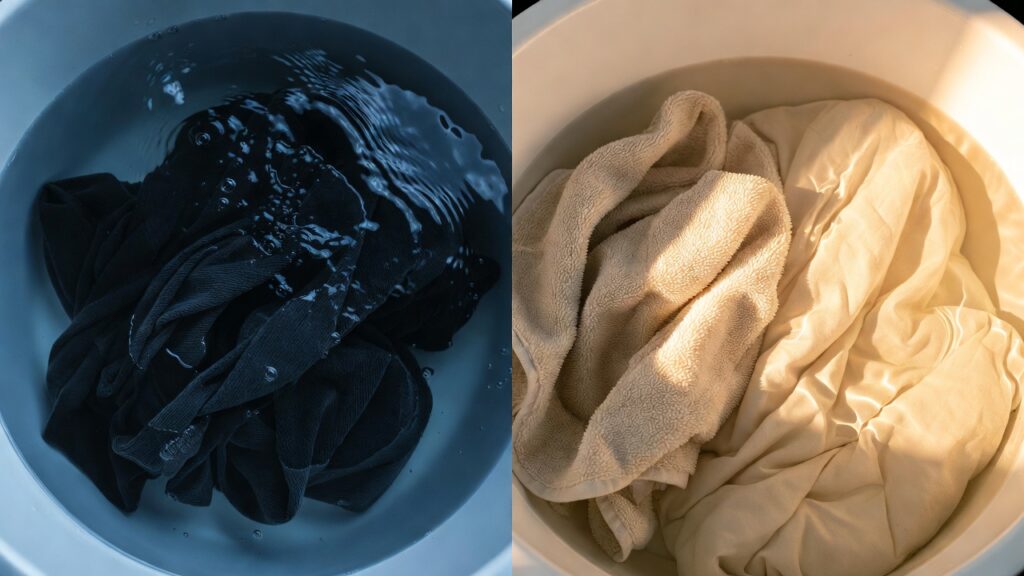
Cold water vs warm water is a common question when it comes to doing laundry, and yes, it really does matter. The choice you make affects how clean your clothes get, how long they last, and how much energy you use.
Cold water is usually better for everyday clothes, dark colors, and delicate fabrics. It is gentle on fibers, helps prevent color fading, and saves energy.
Warm water, on the other hand, works better for heavily soiled clothes, towels, and bedding because it helps loosen dirt and oils more easily. Knowing when to use each option makes washing clothes in cold water vs. warm water less confusing and more effective.
So it depends on what you are washing. When you understand how water temperature works, you can properly, avoid damage, and make smarter laundry choices without extra effort.
Using the wrong water temperature may seem like a small mistake, but it can have a lasting impact on fabric quality and how your clothes look and feel over time. When you don’t understand washing clothes in cold water vs. warm water, fabrics can slowly lose their strength, shape, and comfort.
Here are some common consequences of using the wrong water temperature:
- Color fading: Warm water can cause dark and bright colors to fade faster than expected.
- Fabric shrinking: Hot or warm water can shrink natural fabrics like cotton and wool.
- Loss of softness: Delicate fabrics can become rough or stiff when washed at the wrong temperature.
- Weakened fibers: Repeated washing in unsuitable water temperature can break down fabric fibers over time.
- Poor cleaning results: Using cold water for very dirty clothes may leave stains behind, while warm water for delicate items can cause damage.
Understanding washing clothes in cold water vs. warm water helps protect fabric quality and keeps your clothes looking new for longer.
How to Choose the Right Water Temperature for Different Fabrics

https://in.pinterest.com/pin/2462974791806302/
Every fabric is made differently, and each one has its own care needs. When the wrong temperature is used, clothes can shrink, fade, or lose their shape much faster.
Understanding cold water vs warm water laundry helps you protect fabric quality and keeps your clothes looking good for longer.
Suggested Water Temperature for Different Fabrics
Choosing the right water temperature matters because each fabric reacts differently to heat. Understanding washing clothes in cold water vs. warm water helps prevent damage and keeps clothes in good condition.
- Cotton Towels – Warm water
- Bedsheets (cotton or cotton blends) – Warm water
Warm water works well for these fabrics because it helps remove sweat, oils, and deep dirt while still being safe for strong fibers.
- Polyester – Cold water
- Denim (Jeans) – Cold water
Cold water protects these fabrics from fading, shrinking, and losing shape, making it ideal for everyday wear.
- Silk – Dry clean only
Silk is very delicate and can easily get damaged in water. Dry cleaning helps maintain its shine, and shape without the risk of shrinking the fabric.
Why Water Temperature Matters for Fabric Care
Everyday fabrics like cotton and polyester do well in cold water because it prevents shrinking and fabric damage. Cold water is gentle and works well for regular wear clothes.
Luxury fabrics like silk and wool are much more delicate. Warm water can weaken their fibers and ruin their texture. This is why choosing wisely between washing clothes in cold water vs. warm water makes a big difference in keeping all types of clothes clean.
Choosing the right water temperature makes a big difference in how your clothes look and last. When a fabric feels too delicate to handle at home, professional dry cleaning is always a safe option to keep your clothes protected.
Why Is Dry Cleaning a Smarter and More Sustainable Choice Than Regular Laundry?

Yes, cold water does save more energy. When you look at washing clothes in cold water vs. warm water, the main energy use does not come from the washing machine itself, but from heating the water. Warm water needs electricity to heat up, while cold water doesn’t.
From a sustainability point of view, washing clothes in cold water uses less power, and puts less pressure on natural resources. Cold water is gentler on fabrics, so clothes last longer. When fewer clothes are thrown away, less waste ends up in landfills.
So when thinking about washing clothes in cold water vs. warm water, cold water is the more eco-friendly choice for most everyday laundry. It saves energy, protects your clothes, and supports a more sustainable way of living.
Hot water is usually not the safest choice for washing clothes, especially for everyday wear. Hot water causes clothes to shrink, fade, or lose their shape much faster, particularly for cotton, synthetics, and delicate fabrics.
Dry cleaning is often more efficient than home laundry, especially when you think about time, fabric care, and the environment. When comparing cold wash vs warm wash, dry cleaning removes the guesswork completely and offers a safer option for many clothes.
Saves Time and Effort
Dry cleaning saves you from sorting clothes, choosing water temperature, and worrying about mistakes. You simply hand over your clothes and get them back clean and ready to wear, which makes life easier and less stressful.
Better for All Types of Clothes
Many fabrics get damaged because people choose the wrong option while washing clothes in cold water vs. warm water. Dry cleaning uses controlled methods that protect delicate, expensive, and structured clothes without shrinking or fading them.
More Eco-Friendly Than You Think
Dry cleaning uses less water than home laundry and avoids repeated washing caused by mistakes. Fewer washes mean less energy use and less waste, which is better for the planet.
No Risk of Water or Detergent Damage
There is no worry about using the wrong water temperature or detergent. Clothes come back clean without residue, buildup, or fabric stress.
If laundry feels confusing or time-consuming, dry cleaning is a smart alternative. Services like Wash4You make it easier to care for your clothes while saving time and supporting a more sustainable lifestyle.
FAQ’S
Why did my dark clothes fade after just a few washes?
Warm or hot water can pull color out of fabrics. Many people ruin dark clothes by not understanding washing clothes in cold v/s warm water and using warm water too often.
My clothes feel stiff even though they look clean. What went wrong?
This usually happens when hot water and detergent damage the fibers. Over time, fabrics lose softness. Choosing correctly between washing clothes in cold v/s warm water helps keep clothes soft.
I washed a delicate top in warm water and it lost its shape. Why?
Delicate fabrics can’t handle heat. Warm water weakens the fibers and stretches them. Knowing washing clothes in cold v/s warm water helps avoid this mistake.
Why do my jeans look old so quickly?
Jeans washed in warm or hot water fade faster and lose their fit. Cold water keeps denim looking new for longer.
I thought hot water cleans better. Why didn’t it help?
Hot water can remove heavy dirt, but it also damages everyday clothes. Washing clothes in cold v/s warm water is about balance, not just cleaning power.
What should I do to avoid ruining clothes again?
When in doubt, use cold water. Most everyday laundry does not need heat. Understanding washing clothes in cold v/s warm water saves clothes, money, and stress.
Conclusion – Washing Clothes In Cold Water Vs. Warm Water
Water temperature plays a big role in how your clothes look, feel, and last over time. Understanding washing clothes in cold v/s warm water helps you avoid common laundry mistakes like shrinking or weakening fabrics. Since every fabric is made differently, each one needs its own care.
Cold water is a more sustainable choice. It uses less energy, is gentler on fabrics, and helps clothes last longer. For clothes that need extra care, dry cleaning can be a smart and eco-friendly option.
Professional services like Wash4You take care of fabrics properly without water temperature guesswork, helping you save time, protect your clothes, and make a more planet-friendly choice.