- Introduction
- How Much Laundry Detergent Should You Use Per Load?
- What Is Detergent Build-Up?
- Which Kind of Detergent Is Better for Clothes: Liquid, Powder, or Pods?
- How Using Too Much Detergent Causes Residue on Clothes
- How to Remove Detergent Build-Up From Clothes
- How to Choose Between Laundry and Dry Cleaning? – Wash4You Explains
- Conclusion: Here Is How Much Detergent You Should Use to Avoid Build-Up

Introduction
Washing clothes may look simple, but for beginners, it can feel confusing and overwhelming. How much water should you use? How much detergent is enough? These small questions often lead to damage. One of the most common problems people face is detergent buildup, which makes clothes stiff, dull, and uncomfortable to wear.
Using the right detergent you should use to avoid build up is important if you want your clothes to stay soft, clean, and long-lasting.
That’s why this blog focuses on the simple basics of washing clothes. We’ll help you understand how much detergent you should use to avoid buildup, how to wash your clothes properly, and how to prevent common laundry mistakes.
How much laundry detergent should you use per load?
https://share.google/S9TdLpPYyP9W10Qda
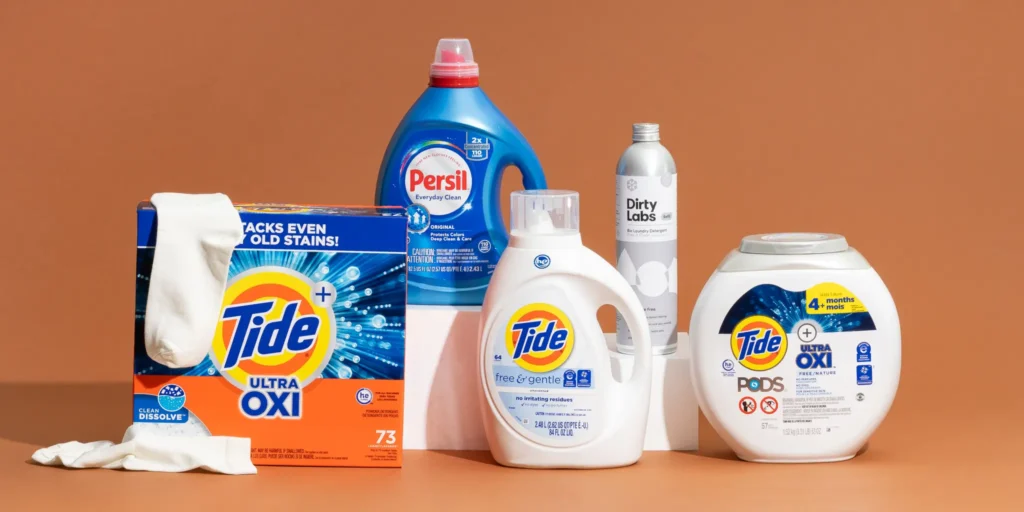
For regular loads, you only need a small amount of detergent to get your clothes clean. In many cases, 1 to 2 tablespoons of liquid or powder detergent is enough. Using the right detergent you should use to avoid build up helps the soap rinse out fully and keeps fabrics soft.
Many people fill the detergent cap to the top, but that is usually too much. Washing machines today use less water, so extra detergent does not wash away properly. When soap stays in the fabric, it slowly builds up over time.
Why Does It Matter How Much Detergent We Use?
The amount of detergent you use matters because more soap does not mean cleaner clothes. When too much detergent is added, it creates extra suds. These suds trap dirt instead of washing it away. As a result, clothes may look clean but still feel stiff or sticky.
Using the correct detergent you should use to avoid build up also protects your washing machine. Too much soap can leave residue inside the drum and pipes, which may cause bad smells and poor washing results. Over time, this can shorten the life of both your clothes and your machine.
How Using Too Much Detergent Affects Clothes and Fabrics
Using too much detergent can slowly damage your clothes, especially certain types of fabric.
- Cotton towels become stiff and lose their softness because detergent gets trapped in the fibers.
- Synthetic fabrics like polyester and activewear hold onto detergent easily, which can cause odors and reduce breathability.
- Delicate fabrics such as silk or wool can weaken when soap buildup stays in the fibers.
- Dark clothes may start to look dull or faded due to leftover detergent residue.
Choosing the right detergent you should use to avoid build up helps clothes stay fresh, soft, and comfortable for longer.
What is detergent build- up?
Detergent build-up is what happens when soap doesn’t rinse out properly and stays stuck in your clothes and washing machine. This usually happens when we use too much detergent or don’t use the right detergent you should use to avoid build up.
How Detergent Build-Up Harms Clothes and the Environment
When detergent build-up stays in clothes, it slowly damages the fabric. Clothes lose their softness, towels stop feeling fluffy, and colors don’t look as bright anymore. Fabrics like cotton, polyester, and activewear are affected the most because they hold onto soap easily.
Using too much detergent is also bad for the environment.Using the right detergent you should use to avoid build up helps keep both your clothes and the planet safe.
Simple Tips to Prevent Detergent Build-Up
1. Use Less Detergent
You usually need much less detergent than you think. A small amount works just fine.
2. Measure Instead of Guessing
Don’t fill the cap to the top. Measure properly so you don’t overdo it.
3. Use the Right Detergent for Your Machine
If you have a high-efficiency washer, always use detergent made for it.
4. Rinse and Clean Often
Run an extra rinse sometimes and clean your washing machine to wash away old soap.
Laundry doesn’t have to be stressful. Using the correct detergent you should use to avoid build up can make a big difference. Your clothes will feel better, last longer, and you’ll also be doing something good for the environment, without any extra effort.
Which kind of detergent is better for clothes from liquids, powder or pods?
https://share.google/KKlvmlxijJe0HloLh
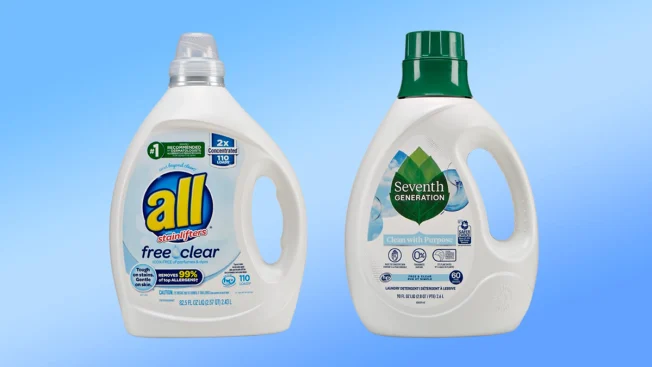
There is no one perfect detergent for everyone. The best detergent you should use to avoid build up depends on how you wash your clothes and how careful you are with measuring.
Liquid Detergent
Why people like it:
- Dissolves quickly in water, so it rinses out easily.
- Works well for greasy and everyday stains.
- Easy to adjust the amount you use.
Watch out: It’s easy to use too much if you pour without measuring.
Powder Detergent
Why people like it:
- Good for removing dirt and mud from clothes.
- Usually costs less than liquid detergent.
- Great for white and light-colored clothes.
Watch out: If not dissolved fully, it can leave white residue on clothes.
Detergent Pods
Why people like them:
- Very easy to use, no measuring needed.
- Less mess and spills.
- Convenient for quick laundry.
Watch out: Pods release a fixed amount, which can be too much for small loads and cause buildup.
How Using Too Much Detergent Causes Residue on Clothes
When you use more detergent than needed, your washing machine doesn’t have enough water to rinse it all away. The extra soap sticks to fabric fibers instead of washing out.
Over time, this residue builds up and makes clothes feel stiff, look dull, and sometimes smell bad. Using the right detergent you should use to avoid build up helps soap rinse out properly and keeps clothes fresh.
How to Protect Your Clothes From Getting Damaged
- Use only the amount of detergent your load really needs. More soap doesn’t mean cleaner clothes, it often causes buildup.
- Measure detergent instead of guessing. A small, measured amount is enough for most washes.
- Choose the right detergent you should use to avoid build up based on your washing machine and fabric type.
- Run an extra rinse once in a while to wash away leftover soap.
If laundry rules feel confusing or you don’t have the time to get everything right, dry cleaning is a safe and easy option. It takes the guesswork out of washing, protects delicate fabrics, and saves both time and effort.
For people who struggle with laundering or want extra care for their clothes, professional dry cleaning can prevent damage and help clothes last longer. Services like Wash4You quietly take care of your clothes, so you don’t have to worry about ruining them.
Using less detergent and choosing the right detergent you should use to avoid build up makes a big difference. And when laundry feels overwhelming, letting professionals handle it can be the smartest choice.
How to Remove Detergent Build-Up From Clothes
https://share.google/rwczpphEadyXh9Cb1
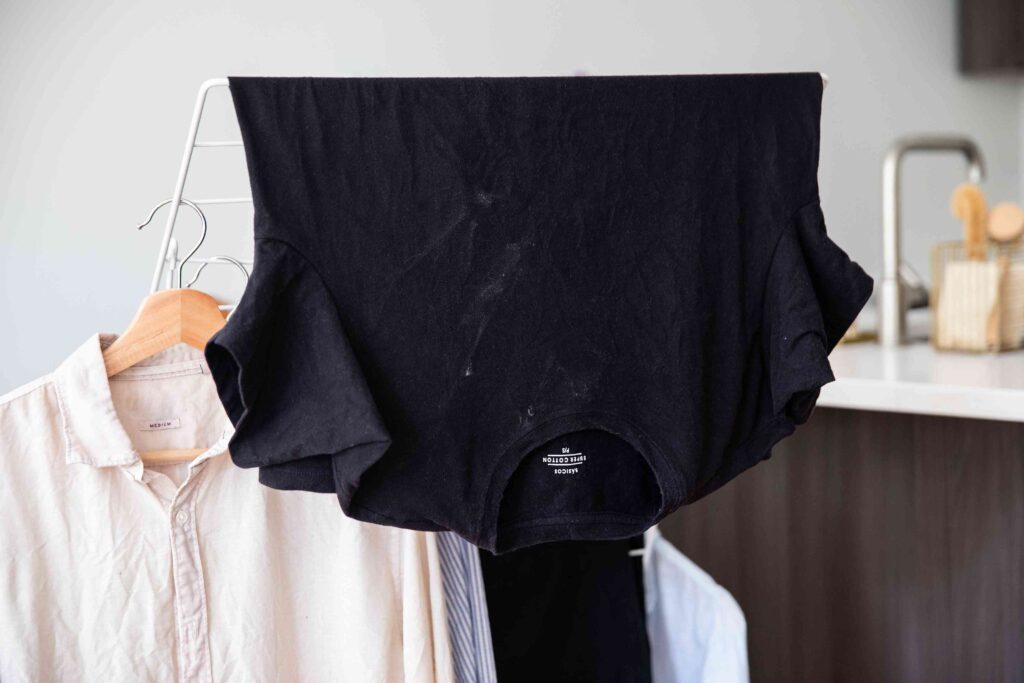
Removing detergent build-up from clothes is important because leftover soap can slowly ruin your fabrics. When detergent stays trapped in clothes, it makes them feel stiff and rough, and it also causes dull colors and bad smells over time.
Using the right detergent you should use to avoid build up helps prevent this problem, but if build-up is already there, it needs to be removed to keep clothes comfortable and long-lasting.
Simple Tips to Remove Detergent Build-Up
1. Rewash Clothes With Less Detergent
Wash the clothes again using only water or a very small amount of the detergent you should use to avoid build up.
2. Add an Extra Rinse Cycle
An extra rinse helps wash away trapped soap that did not come out earlier.
3. Use Warm Water (If Fabric Allows)
Warm water helps dissolve detergent residue better than cold water.
4. Avoid Mixing Too Many Products
Using fabric softener and detergent together can increase build-up on clothes.
5. Do Smaller Loads
Overloading the machine makes it harder for detergent to rinse out properly.
Using the right detergent you should use to avoid build up and rinsing properly makes a big difference. And for people who want zero guesswork, getting clothes professionally cleaned ensures they come back fresh, without any detergent residue left behind.
How to choose between laundry and dry cleaning?- Wash4You Explains
Laundry is often seen as the cheaper, but if you truly care about your clothes and the planet, there are other things to think about. Home laundry needs a lot of water, energy, and the right detergent you should use to avoid build up, which is not easy to get right.
Mistakes can lead to damaged fabrics, detergent residue, and wasted time. That’s where dry cleaning stands out as a better option in many cases.
Dry Cleaning vs Laundry: What’s the Difference?
Eco-Friendly
Laundry:
Home laundry uses large amounts of water and detergent. When too much detergent is used, harmful chemicals go down the drain and pollute water systems.
Dry Cleaning:
Professional dry cleaning uses controlled cleaning methods that reduce water waste and avoid detergent build-up, making it gentler on the environment.
Saves Time
Laundry:
Sorting clothes, measuring the detergent you should use to avoid build up, washing, drying, and folding takes time and effort.
Dry Cleaning:
You simply hand over your clothes and get them back clean, fresh, and ready to wear—saving hours every week.
Protects All Kinds of Clothes
Laundry:
Delicate fabrics, dark colors, and special materials can easily get damaged if washed the wrong way or with too much detergent.
Dry Cleaning:
Dry cleaning is safe for almost all fabrics, including delicate, expensive, and structured clothes, with no risk of detergent residue.
Laundry works, but it comes with risks if the wrong detergent you should use to avoid build up or method is used. Dry cleaning offers a safer, easier way to care for your clothes while being kinder to the planet, and your time.
Conclusion – Here Is How Much Detergent You Should Use to Avoid Build up
Laundry is all about precision. From choosing the right water temperature to knowing how much detergent you should use to avoid build up, every small step matters. When these details are missed, clothes can lose their softness, color, and shape over time.
For expensive clothes, delicate fabrics, or when you want to save time and make a more sustainable choice, dry cleaning can be a safer option. Professional services like Wash4You help keep clothes fresh and well cared for, without the risk of detergent residue or damage.