
- Introduction
- Budget-Friendly Home Washing Techniques
- Detergents for Different Fabrics
- Washing Machine Laundry Care Guide
- Types of Detergents & Their Uses
- Liquid vs. Powder Detergents
- Why Some Fabrics Need Non-Water Detergents
- How Often You Should Clean Delicate Clothes
- Takeaway
Image source: https://in.pinterest.com/pin/884746289440749460/
Introduction
The satisfaction of pulling fresh, clean laundry from the dryer ranks among life’s simple pleasures. The clothes we wear are a reflection of our style and confidence. Choosing the correct laundry care for clothes is therefore important.
Choosing the right detergent for laundry is a very important part of laundry care. It has many benefits including fabric longevity and cost saving. In some cases, getting the perfect match between detergent and fabric is just as important as the washing technique itself.
Budget-Friendly Home Washing Techniques
Laundry doesn’t have to drain your bank account. With a few smart strategies, you can achieve professional results without the professional price tag.
Use cold water for most loads to save energy and prevent color fading. Using cold water saves energy costs while preventing color fading and extending the life of your garments. Modern detergents work effectively in cold water, making this an easy win for both your budget and your clothes.
Pre-treating stains is another game-changer. Before tossing items into the wash, apply a small amount of liquid detergent directly to stubborn spots. Let it sit for five to ten minutes, then wash as usual. This targeted approach means you won’t need to rewash items or invest in expensive specialty stain removers.
Different Fabrics Need Different Detergents
Not all fabrics are created equal, and neither are the detergents that clean them.
Cotton and linen are everyday essentials in most wardrobes.
They’re strong, breathable, and can handle frequent washing without much fuss. Regular detergents—like Tide Original—work really well for them because these fabrics can take a deep clean. They’re great for removing stains, brightening whites, and handling heavy-use items like T-shirts, bedsheets, and towels.
Delicate fabrics need a softer approach.
Silk, wool, and cashmere can easily lose their shape or softness if washed with strong detergents. That’s why gentle formulas—like Woolite Delicates—are ideal. They clean thoroughly but still protect the natural oils and fibers, helping your delicate clothes stay smooth, soft, and beautifully colored.
Synthetic fabrics sit somewhere in the middle.
Materials like polyester and nylon don’t absorb water the way natural fibers do, so they don’t need harsh detergents. A good liquid detergent usually does the job well, cleaning without leaving any residue. It keeps your athletic wear, work clothes, and everyday synthetics feeling fresh and comfortable.
Detergent For Laundry Is Different Based On Front-Load vs. Top-Load Washing Machine
Knowing whether you have a front-load or top-load machine helps you pick the right detergent for laundry, get clothes cleaner, and keep your machine running smoothly for years.
Front-load washers
Front-load machines clean clothes by gently tumbling them in a small amount of water. Because they use less water, regular detergents can create too many suds, leaving soap residue on clothes, causing musty smells, and even damaging the machine over time. That’s why front-load washers work best with high-efficiency (HE) detergents, which are specially formulated to produce fewer bubbles while still cleaning effectively. Examples of these include Tide HE, Ariel Matic Liquid, and Surf Excel Matic, which help your clothes come out fresh while keeping your machine in good condition.
Top-load washers
Top-load washers fill with more water and wash clothes by moving them around with an agitator or impeller. This extra water helps rinse away soap more thoroughly, so most detergents work well. For heavily soiled loads, liquid or powder detergents with strong cleaning power do a great job. Popular choices are Tide Original, Ariel Regular, and Surf Excel Easy Wash. This flexibility makes top-load washers easier to use for everyday laundry without worrying about soap buildup or machine damage.
Semi-Automatic Washers
Semi-automatic washers are very popular in countries like India. Unlike fully automatic machines, you manually fill them with water and move clothes between the wash and spin tubs. They’re flexible and easy to use, and most regular liquid or powder detergents work well in them. Just be careful not to use too much detergent, since the rinse cycles are limited and excess soap can leave residue on clothes.
High-Efficiency (HE) Top-Load Washers
HE top-load washers, also called impeller washers, are a newer type of top-loader that use less water than traditional models—similar to front-loaders. They clean efficiently while saving water and energy. For the best results, it’s recommended to use HE detergents like Tide HE or Ariel Matic Liquid, which prevent too much foam while still getting your clothes clean and fresh.
Always take a quick look at your washing machine’s manual before choosing a detergent. Following the manufacturer’s recommendations not only helps your machine run smoothly but also keeps your clothes looking their best for longer.
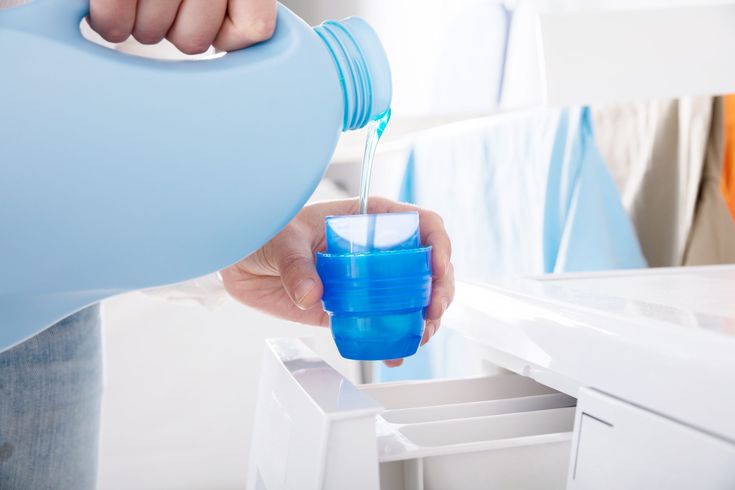
Image source: https://in.pinterest.com/pin/420875527688988553/
Different Detergents for Different Laundry Care
Laundry doesn’t have to be a guessing game, understanding the different types of detergents makes it easier to get clothes truly clean.
For everyday washing, regular detergents like Tide, Surf Excel, or Ariel do the job well. They’re reliable, work on most fabrics, and handle typical dirt and stains across different water temperatures and machine types.
If you deal with protein-based stains like blood, grass, or food, enzyme-based detergents are a smart choice. They break down tough stains that regular detergents might struggle with—perfect for homes with kids or active lifestyles. Look for labels that mention “enzymes” or “stain fighters” on the packaging, such as Tide Plus Stain Release.
To keep your clothes bright without the harshness of chlorine, color-safe bleach alternatives are great. These oxygen-based boosters work with your regular detergent to brighten whites and colors while protecting fabric fibers. Check for phrases like “oxygen bleach” or “color-safe bleach”, such as Clorox 2 or Vanish Oxi Action.
For those with sensitive skin or allergies, there are hypoallergenic, fragrance-free detergent for laundry that clean effectively without irritating additives. These show that gentle formulas can still leave your laundry fresh and spotless. Look for products labeled “sensitive skin” or “dermatologist-tested”, like Seventh Generation Free & Clear or Mamaearth Gentle Detergent.
Liquid Detergent vs. Powder Detergent – What Is Best for You?
The liquid vs. powder detergent debate has been around for decades, and each type has its own perks depending on your needs.
Liquid Detergent
Stain Removal: Liquid detergents are great for greasy or oily stains. Because they’re already dissolved, they start working as soon as they hit the fabric. This makes them perfect for pre-treating tricky spots—like a ketchup spill on a shirt! Popular options include Tide Liquid, Ariel Matic Liquid, and Surf Excel Matic.
Cost: They do tend to be a little more expensive per load, but for the convenience and effectiveness, many people find it worth it.
Dissolving: The best part? Liquids dissolve completely even in cold water, so you can do a quick, energy-saving wash without worrying about powdery residue.
Packaging: Most liquids come in plastic bottles, which aren’t the most eco-friendly—but some concentrated versions use less plastic, so that’s a bonus!
Powder Detergent
Stain Removal: Powder detergents shine when it comes to mud, clay, and general dirt. They’re perfect for washing bedsheets, towels, and everyday clothes that just need a solid clean. Some well-loved options are Tide Original, Ariel Regular, and Surf Excel Easy Wash.
Cost: One of the best things? Powder detergent for laundry are usually cheaper per load, making them great for families or anyone with lots of laundry.
Dissolving: Powders don’t always dissolve fully in cold water, so a quick tip is to either use warm water or pre-dissolve the powder before tossing in clothes. That way, everything comes out fresh and clean.
Packaging: Powders usually come in cardboard boxes, which are easy to recycle. Some brands even offer refill packs, which is a win for both your wallet and the planet.
Why Some Fabrics Need Non-Water Detergents
Not every fabric can handle a regular water wash. Sometimes, skipping water completely can save your favorite clothes from damage. Delicate materials like silk, wool, structured suits, and outfits with heavy embroidery or embellishments can easily shrink, fade, or lose their shape when exposed to water and too much movement. That’s where dry cleaning comes in. Instead of using water, it uses gentle chemicals that lift dirt and stains that keeps the fabric’s structure, texture, and color safe.
Knowing which fabrics need extra care can save you from expensive laundry disasters. A quick check of the care label can tell you everything. If your garment says “dry clean only”, don’t risk it with home – washing. Opt for professional service like Wash4You Eco Friendly Laundry and Dry Cleaners and get easy pickup and delivery to save your time and energy.
Skipping those instructions causes shrinking, fading or damage that even the best washing techniques can’t repair.
Image source: https://in.pinterest.com/pin/315040936459626174/
How Often You Should Clean Delicate Clothes
Overwashing damages delicate fabrics faster than dirt does.
Delicate fabrics like wool and silk can typically go five to seven wears between washes, as long as they’re not visibly soiled or odorous. These kinds of fabrics naturally resist odor and bacteria, so you can wear it multiple times before washing.
Every wash puts a little stress on your clothes, even if you’re gentle. So the fewer times you wash something, the longer it keeps its shape, color, and overall “new” look. Sometimes, just airing it out or professional spot-cleaning is all it really needs.
When you do wash delicates, always use cold water and a gentle detergent for laundry specialised for sensitive fabrics.
Place items in mesh laundry bags for additional protection for stretching during the wash cycle.
Instead of putting clothes back in the closet after washing, hang them out to air. This way, any moisture and light odors fade away.
If you notice a small spot or stain, try gentle spot-cleaning it instead of washing the whole garment. Your delicate pieces will last much longer with this kind of care.
Structured pieces like suits and coats don’t need frequent cleaning. Most only require professional services like Wash4You Eco Friendly Laundry and Dry Cleaners once or twice a season. Clean them sooner only if there’s a stain or strong odor. Between visits, brush the fabric and hang them properly. This keeps them looking sharp without extra wear and tear.
Takeaway
Choosing the right detergent for laundry involves understanding your fabrics, washing machine, and specific care needs.
For everyday cotton and linen items, mainstream detergents deliver reliable results. When caring for delicates, invest in specialized mild detergents that protect vulnerable fibers.
Liquid detergent for laundry work best for oily stains and cold-water washing, while powder options provide cost-effective cleaning for heavy-duty loads.
Always follow care label instructions, they exist to protect your garments from damage. Consider eco-friendly options that align with your environmental values without compromising cleaning power.
Proper detergent selection, combined with appropriate washing techniques, keeps your clothes looking newer longer while saving money on replacements.