
Gurgaon & Delhi NCR’s Most Dependable Blanket & Quilt Cleaning
Razai, duvets, comforters and woollen blankets, cleaned in Gurugram by people who know that drying a quilt properly is the harder half of the job. Free pickup and delivery at your door.


25% off on first order
The fill decides the method, not the cover
The outer fabric of a quilt tells you very little. What matters is the fill, and that is the first thing checked when a razai or duvet is opened out flat.
Loose cotton batting, the filling in most hand-stitched razais, behaves badly in water: it swells, shifts and sets into hard ridges as it dries, so the razai comes back thin down the middle and heavy at one end. Those are cleaned with solvent and kept flat throughout. Down and feather duvets are the opposite case, because solvent strips the oil out of down and leaves it brittle, so they are washed gently instead. Polyester and microfibre comforters take water well, provided the quilting stitch is still holding the fill in place.
Drying is the actual job
Washing a quilt is the easy half. Drying one right through to the core is where it goes wrong at home. A duvet that is ninety-five per cent dry feels dry in your hands, then smells of damp cupboard within a week, and mildew starting in that trapped moisture will spot the shell permanently. So drying is long, low-heat and interrupted: the item comes out partway, the fill is broken up and redistributed by hand, and it goes back in. That is also what brings loft back to a duvet and lifts the nap on a mink or plush blanket.
What cannot be saved
Honest answers are more useful than optimistic ones.
- Body-oil yellowing on a white duvet shell, oxidised over seasons in storage. It lightens. It rarely disappears.
- Black mildew spotting where the fungus has eaten into the fibre. That pigment sits inside the damaged fibre, not on top of it.
- Down that has already been through a hot home wash and clumped. The quills fracture and the loft does not come back.
- Scorch or melt marks on polyester fill, from an iron or a room heater standing too close.
- Dye bleed that has already run, usually after a dark razai cover was soaked in a bucket at home.
If a stain is not going to shift, you will be told while the item is being counted at your door, not afterwards.
Before you hand it over
Take the cover off and look at the quilt itself, because a folded quilt hides stains beautifully. Run a hand along the seams for splits: agitation turns a small split into a fill explosion, so point it out and it gets stitched shut first. Pull out any safety pins holding a cover in place. And say if something has already been tried at home, bleach or Dettol or a stain spray, because it changes what is chemically possible afterwards.
Timing and storage
The sensible time to get razais done is at the end of winter, before they go into storage, not on the first cold night in November when all of Gurugram wants theirs back at once. Sardi se pehle, razai ready. Store them in a cotton bag or an old bedsheet, never a sealed plastic packet, and keep naphthalene balls in a cloth pouch rather than against the fabric, where they leave marks.
Bedding is bulky to carry to a shop, so pickup and delivery is free across Gurugram. Every piece is counted with you at the door, packed separately, and acknowledged with a written receipt.
What we take
Items we handle
- Hand-stitched cotton razaiThe traditional loose-cotton razai, handled flat and cleaned with solvent rather than soaked, so the batting cannot swell and set into ridges at one end.
- Down and feather duvetsWashed rather than solvent-cleaned, because solvent strips the natural oil from down. The long, staged drying afterwards is what brings the loft back.
- Polyester and microfibre comfortersThe most forgiving of the lot. We check the quilting stitch and baffles first, since a broken stitch line lets the fill shift the moment it hits water.
- Woollen and Solapur blanketsLow agitation and controlled heat throughout. Wool felts and shrinks permanently if either is pushed too far, and a felted blanket cannot be brought back.
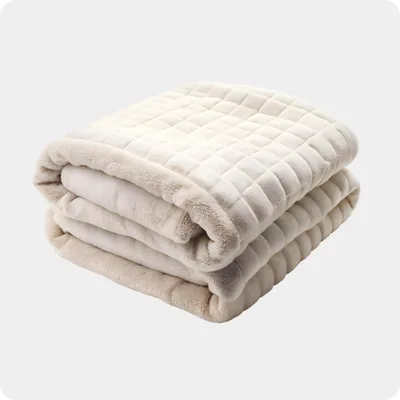
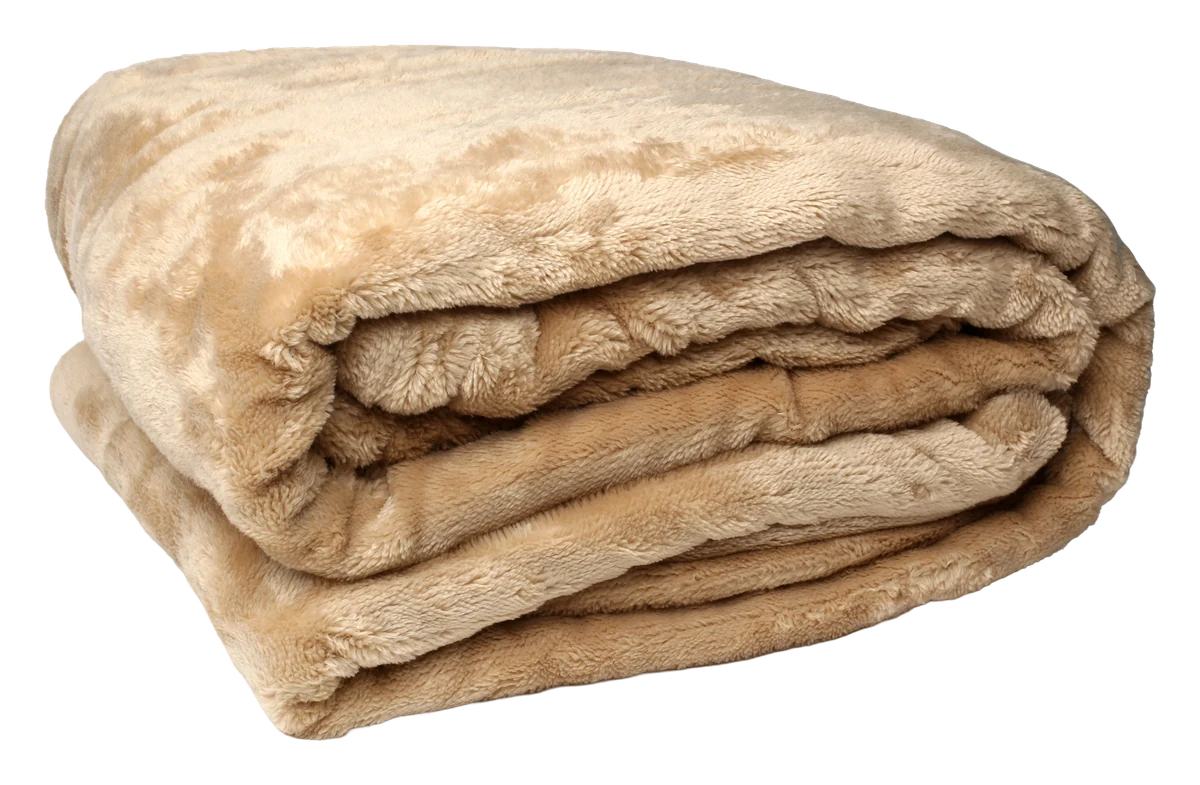
- Mink and plush blanketsCleaned gently to avoid shedding, then the nap is brushed back up so the surface does not come home flattened and patchy.
- Dohars, baby quilts and cot beddingExtra rinsing so no detergent residue sits against a child's skin, and a close look for the milk and food stains that hide in the folds.
- Duvet, quilt and razai coversSent in with the filling and cleaned as a set, so the two come back matched and we can see whether a dark cover has been bleeding dye into the fill.
What we clean
Blanket & Quilt Cleaning covers these
Item-wise rates for every one of them are published on the price list — no quote-on-request.


How it works
From your door and back again
Opened out and inspected with you
The cover comes off and the quilt is laid flat. We check the fill type, the quilting and seams, whether the fill has already migrated, and any moth holes, old repairs or hidden stains. Everything found is counted and noted with you at the door.
Method chosen by fill, and written down
Cotton batting goes to solvent, down and feather goes to a gentle wash, polyester and microfibre go to water. This is decided once and recorded on the docket, so it is not left to whoever handles the item next.
Colour test and stain identification
A hidden corner is tested for colourfastness, because dark razai and duvet covers bleed more often than people expect. Stains are identified by type first: oil-based and water-based marks need opposite treatments, and guessing sets the stain.
Repairs and pre-treatment
Split seams and small holes are stitched closed before the item moves, since agitation turns a two-inch split into a fill explosion. Spot treatment is worked in by hand around the stitching, not sprayed over the whole piece.
Cleaning with room to move
The item is loaded so it can actually tumble. A quilt crammed into a drum that is too small simply gets pressed against the wall and comes out no cleaner than it went in, which is the single commonest reason home washing fails on bedding.
Dried to the core, not the surface
Long, low heat with the item taken out partway so the fill can be broken up and redistributed by hand, then returned. Repeated until the middle is dry, because a duvet that goes home with a damp core will smell within the week.
Loft, nap and packing
Down and fibre fill are shaken back out to full loft, plush and mink surfaces are brushed so the nap stands up again, and the item is folded and packed to breathe rather than sealed in plastic where it would sweat on the way back to you.
From our customers
What Our Customers Say
















Questions
Blanket & Quilt Cleaning — what people ask
Where we collect
Blanket & Quilt Cleaning across Gurugram
From Our Studio
See the Care in Action




Delivered the Wash4You Way
Pressed, Covered and Sealed for the Journey Home
Every item comes back on its own hanger inside a Wash4You protective cover, with scan-to-book and contact codes on the pack, so it stays fresh until you open it.
Book free pickupBook a free pickup.
Tell us when suits you. We come to your door, count everything with you, and take it from there.