
Gurgaon & Delhi NCR’s Most Trusted Premium Dry Cleaning
Suits, sarees, lehengas, sherwanis, woollens and embellished designer wear — cleaned on our specialist dry-cleaning machines and inspected before anyone decides how to treat them. Free pickup and delivery across Gurugram.

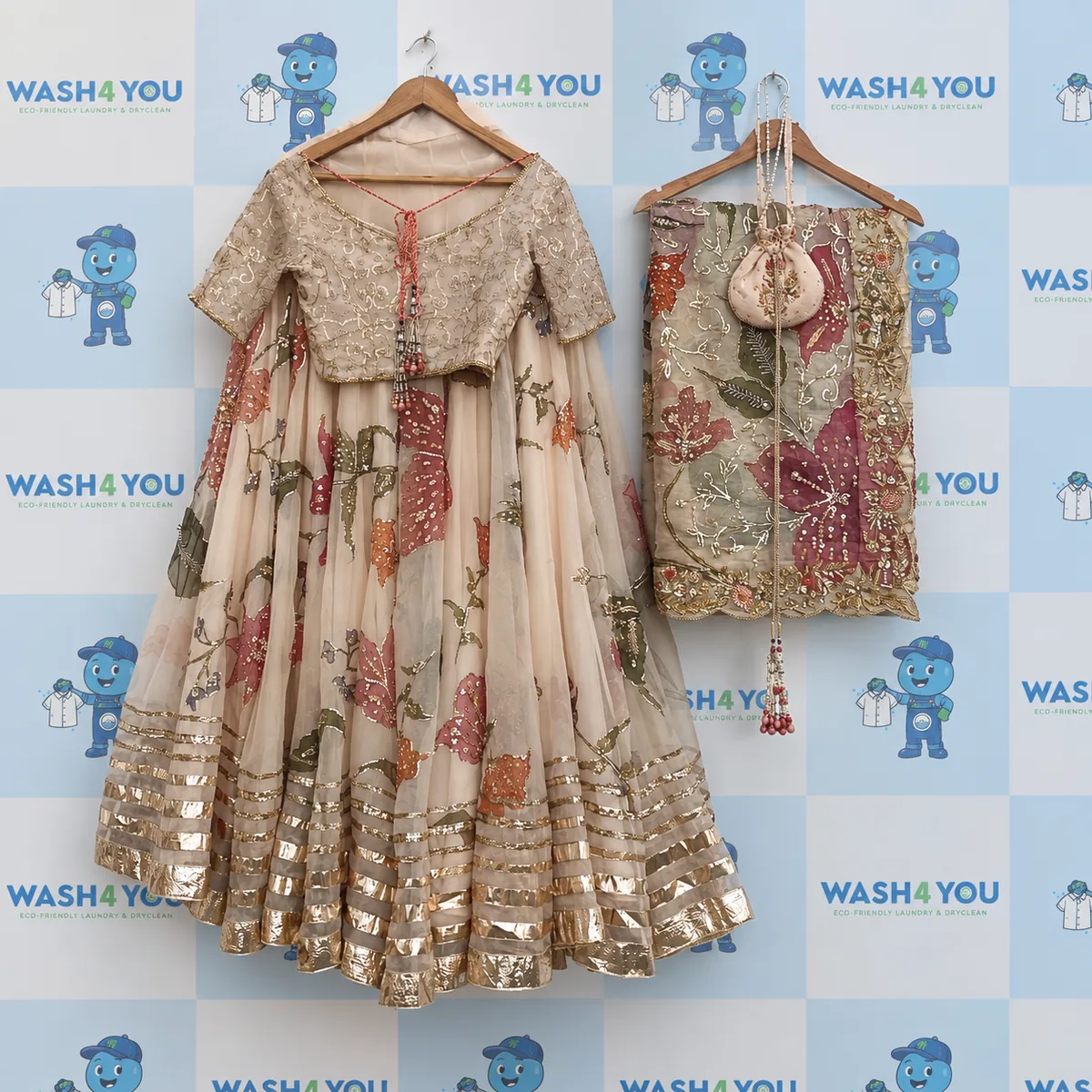 Before
After
25% off on first order
Real results
Our own work, photographed in store
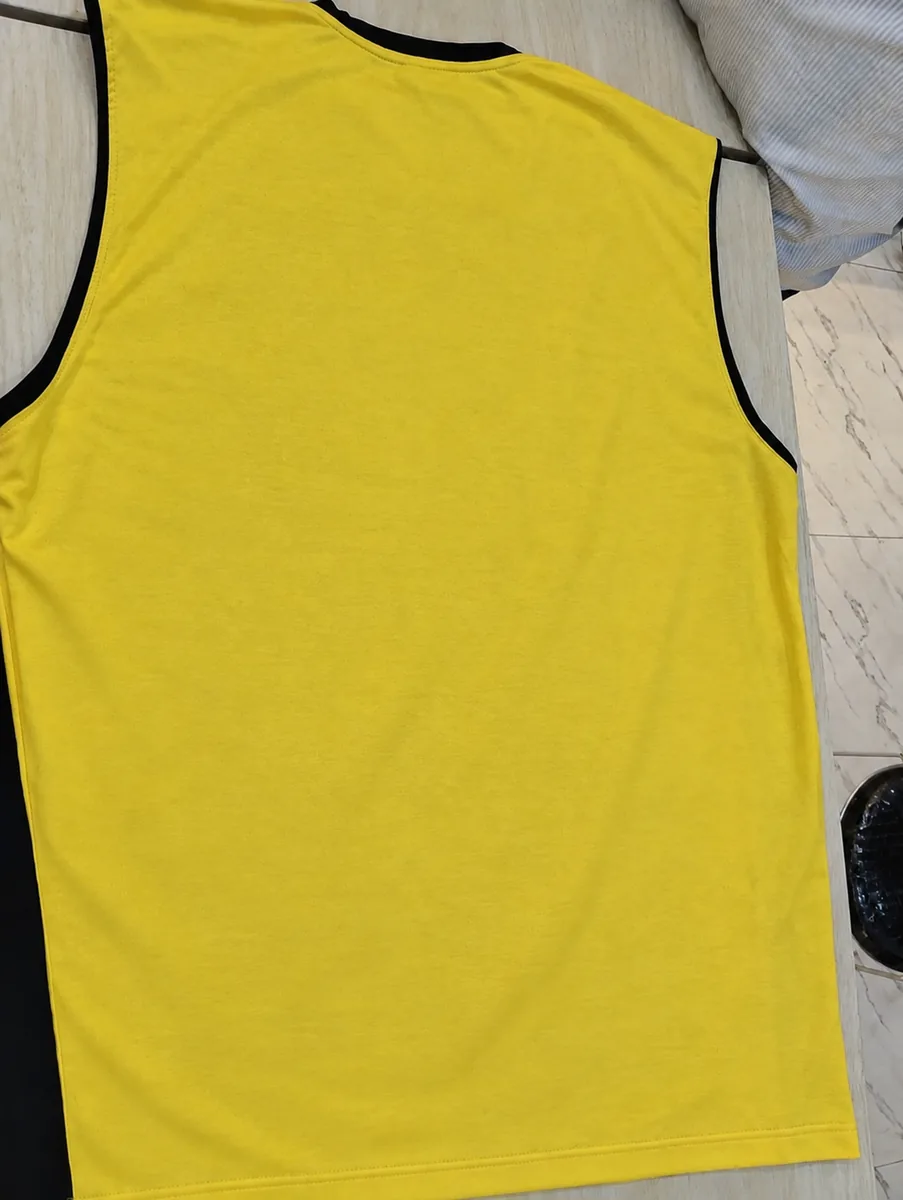 Before
After
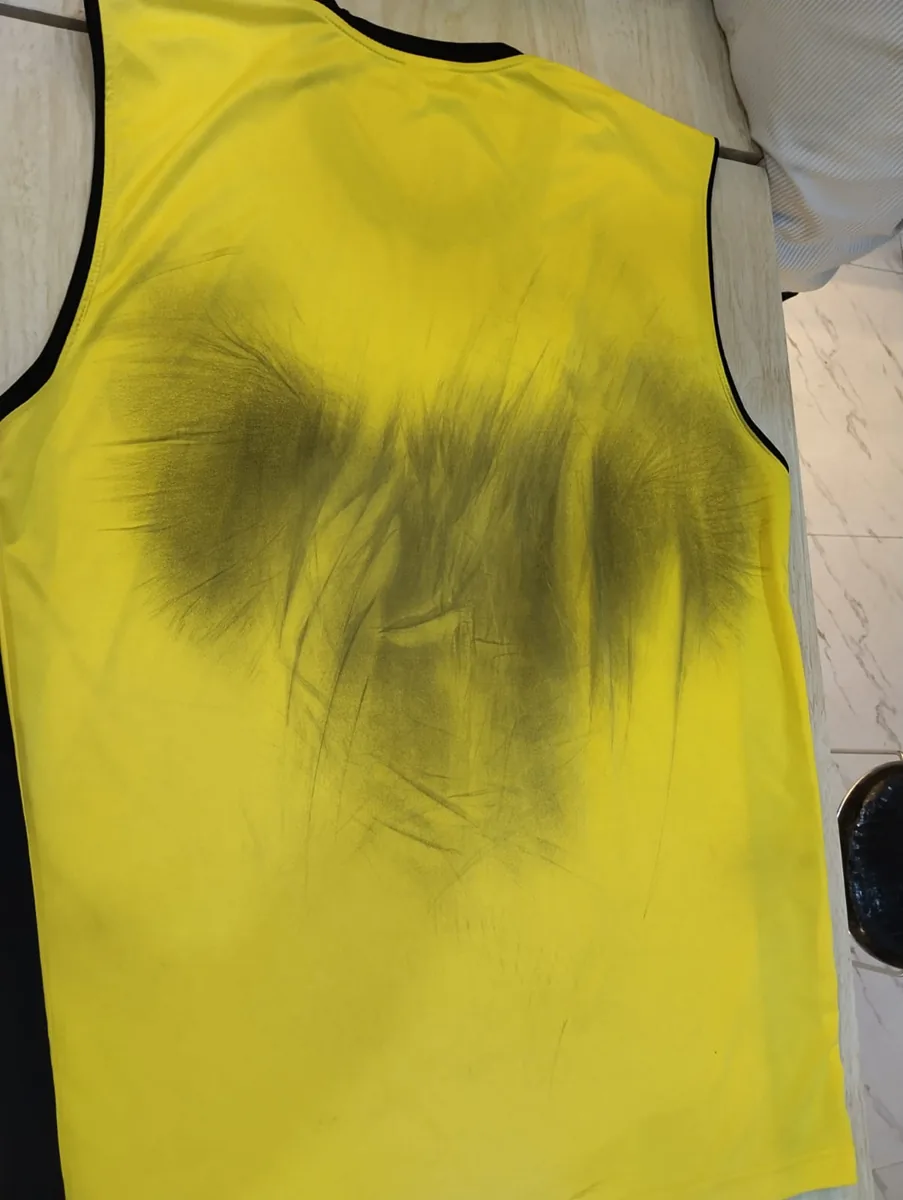
A large dark stain across the back, treated and removed without leaving a mark or fading the colour.
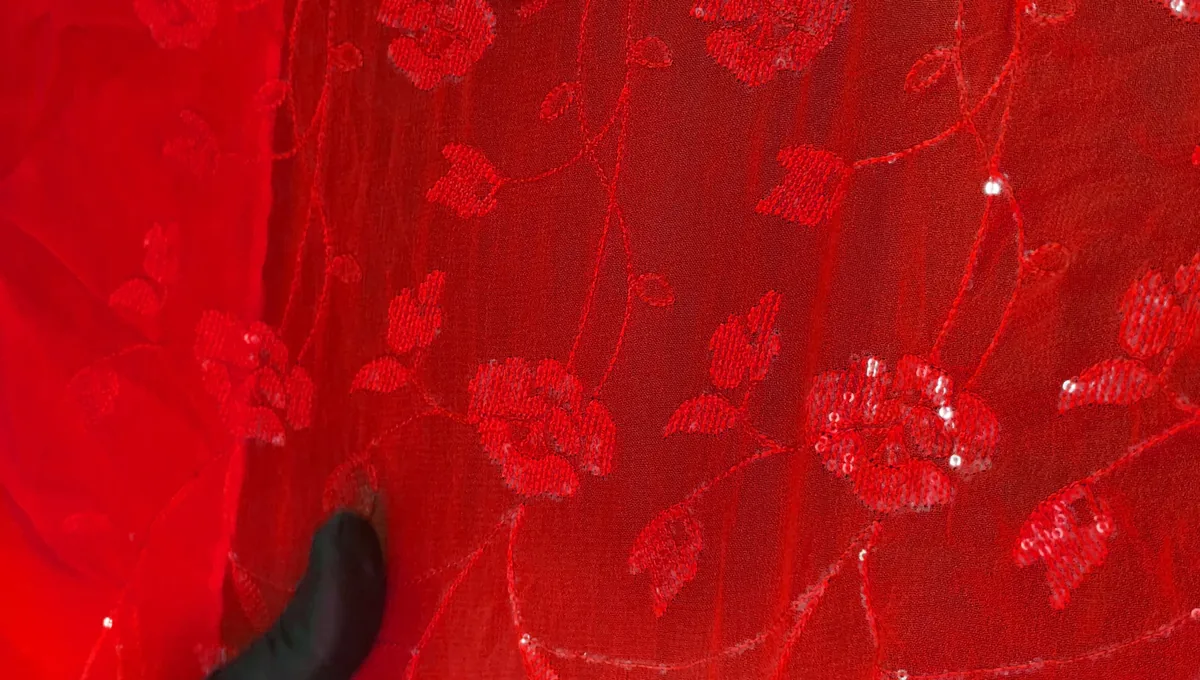 Before
After
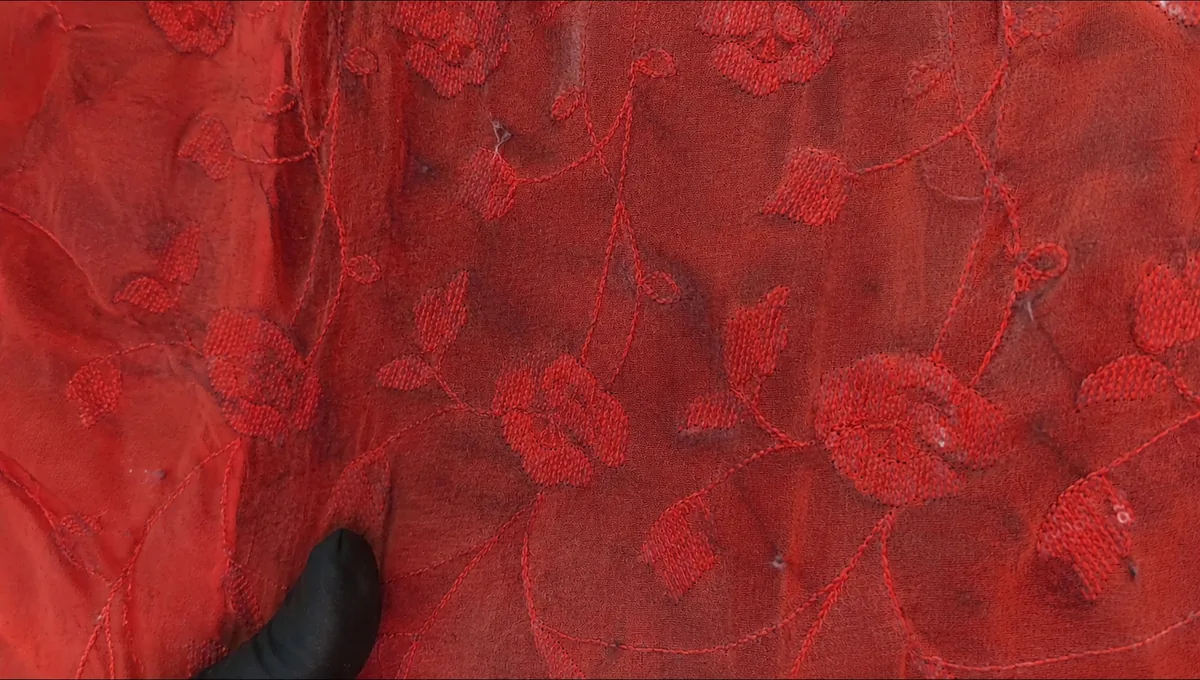
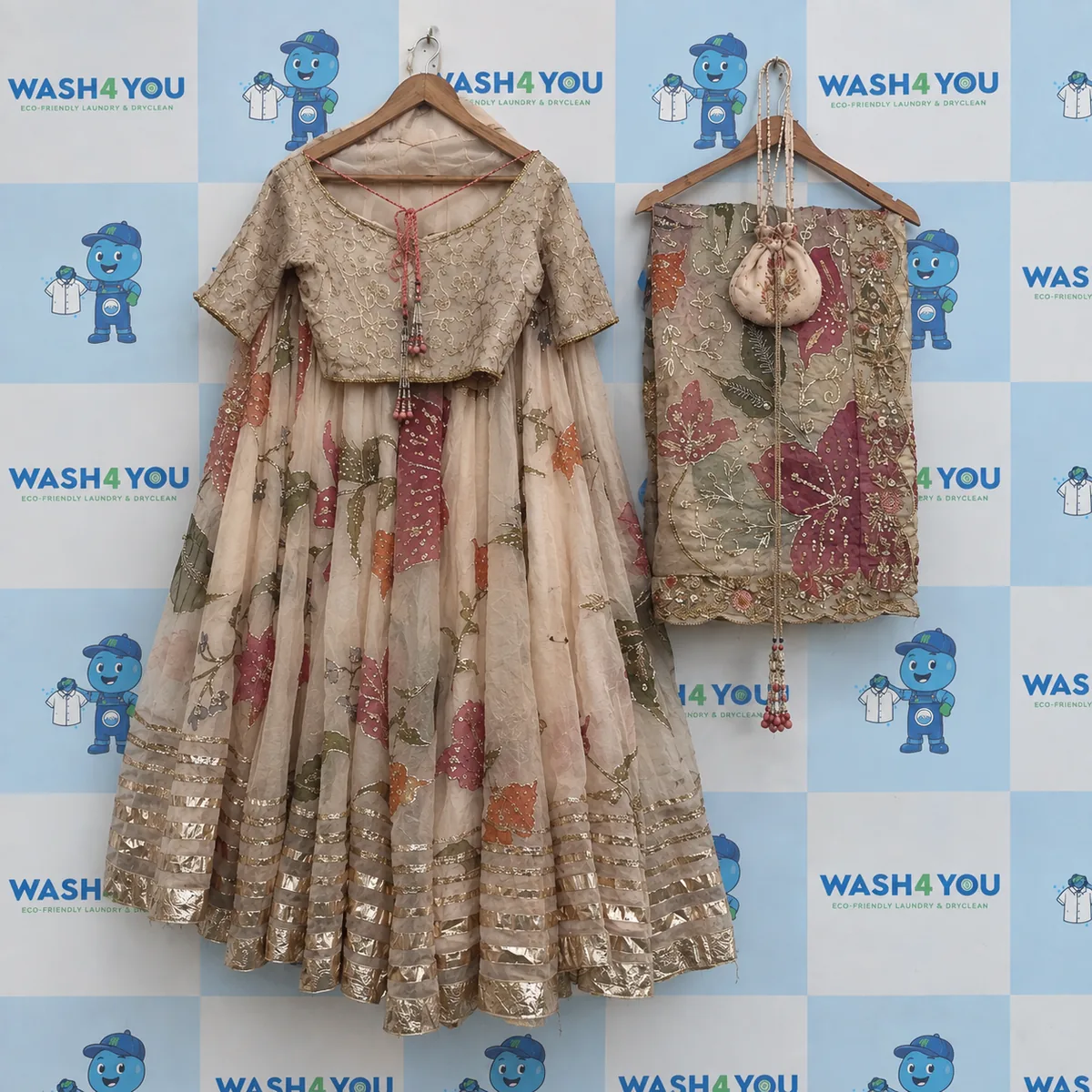
Dull, marked embroidered net treated by hand, the colour and sequin work restored.
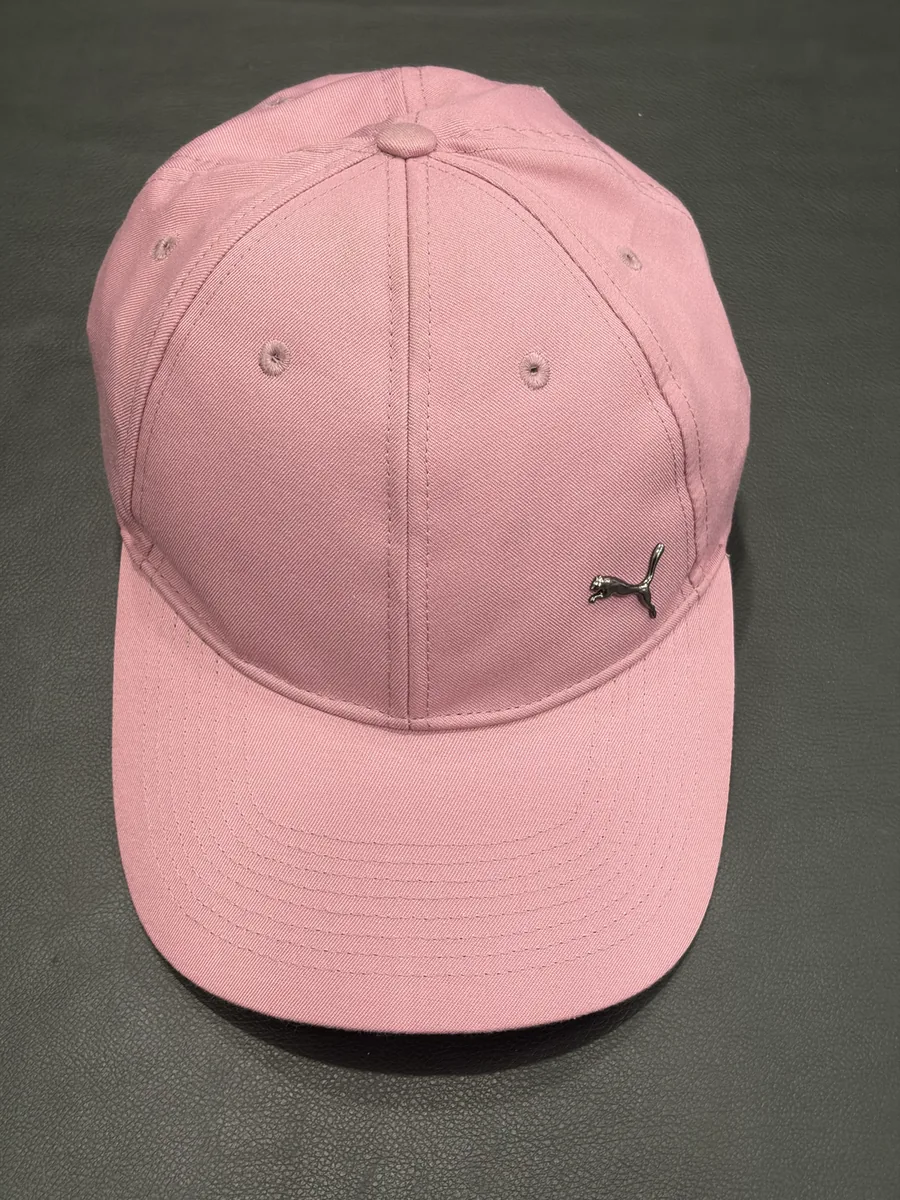 Before
After
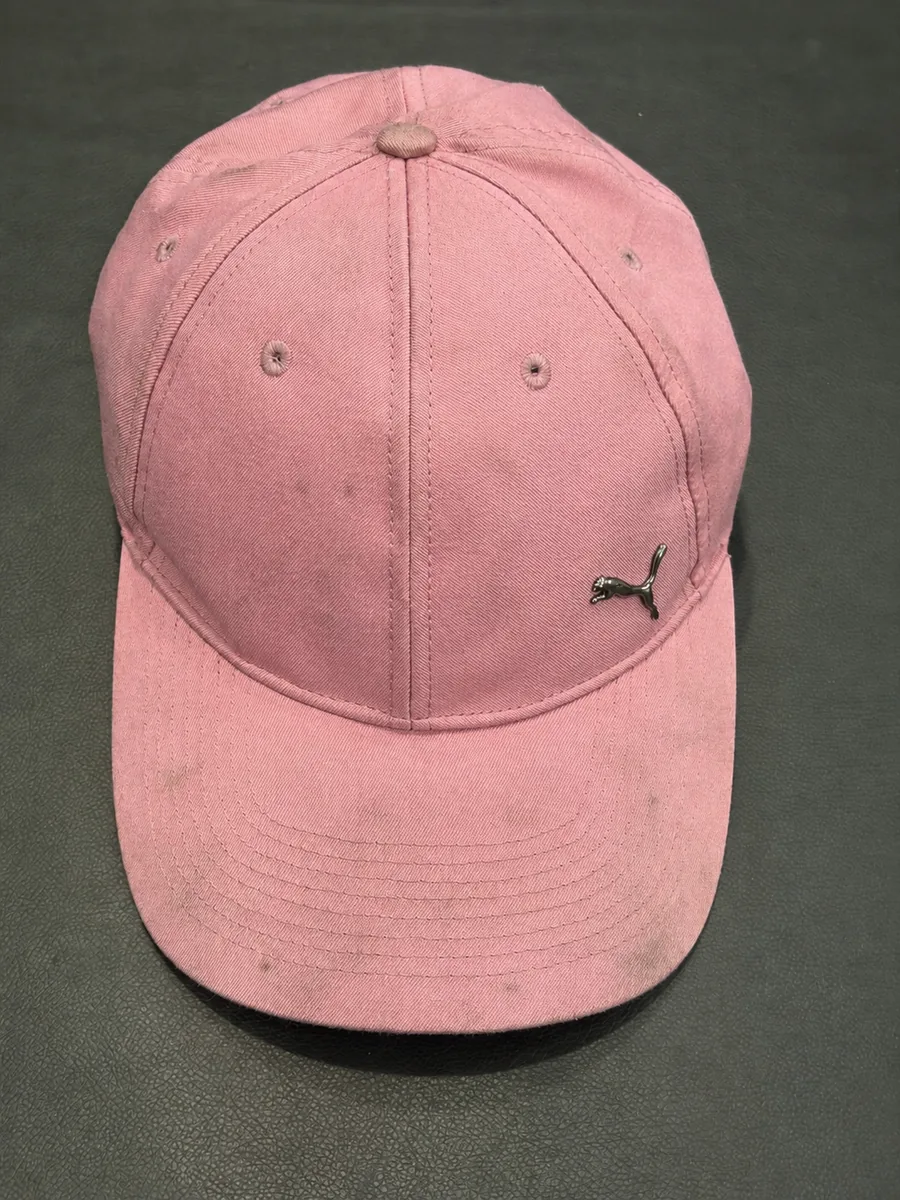
Grime and discolouration lifted, with the shape of the cap kept intact.
Solvent cleans oil. It does not clean sweat.
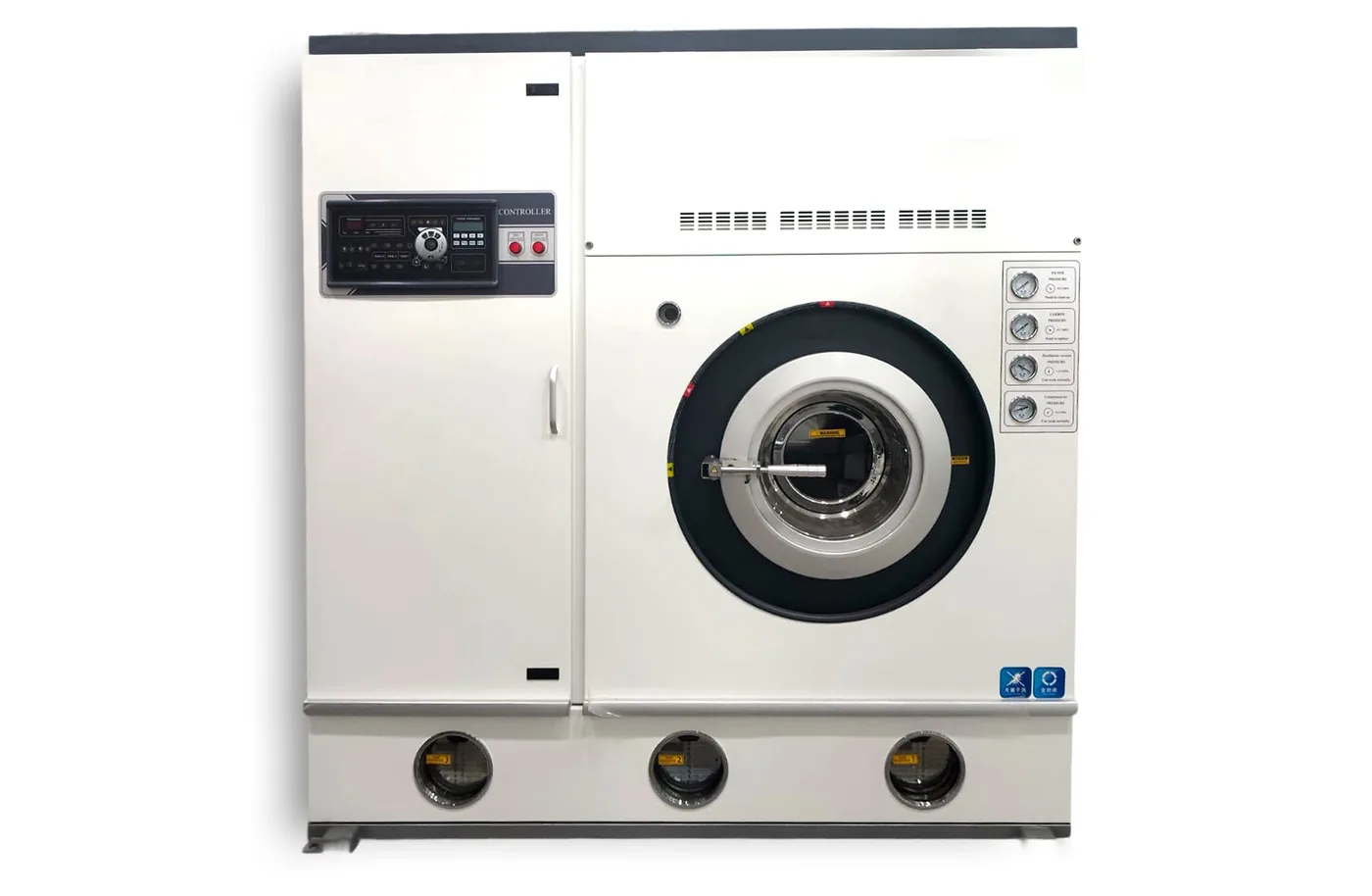
Dry cleaning is a wash in solvent rather than water. We run a solvent that is gentler on fibre and finish than the older perc systems still common in Gurugram. Solvent is very good at what water struggles with: body oil, the sebum ring inside a collar, ghee and cooking grease, make-up, car grime. It is close to useless on water-based staining — perspiration, tea, coffee, cold drink, juice, wine, most gravies. Those have to be lifted by hand first, on a spotting board with steam, vacuum and the correct agent for that stain group, before the garment goes anywhere near a machine.
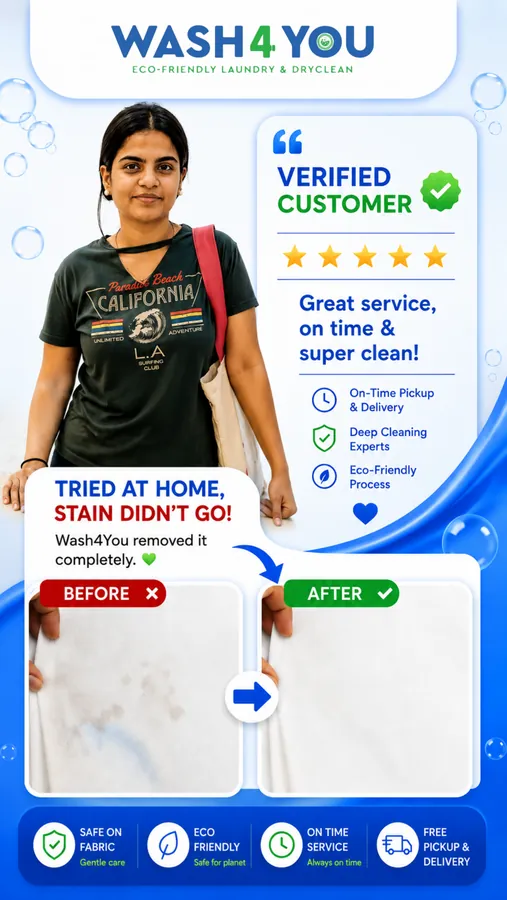
This is where dry cleaning is actually won or lost. A shop that skips pre-spotting hands back a garment that smells clean with the mark still sitting in it. It is also why we ask what the spill was. Tannin, protein, oil and dye each need a different treatment, and the wrong one can set a stain permanently instead of removing it. One of our customers put it plainly: "I tried at home and the stain didn't go. Wash4You removed it completely." Nothing clever happened there — we just identified the stain before treating it.
Every piece is inspected before it is processed
Fibre first, care label second. Sarees, lehengas and sherwanis very often arrive with no label at all, or with a tailor's label that says nothing useful, so the fabric has to be identified by hand and eye. We then test for colour bleed on an inside seam or hem — non-negotiable for bandhani, leheriya, hand-dyed cotton, and for anything with a dark border sitting against a pale body, like a maroon-bordered cream Kanjeevaram.
Embellishment decides the method. Zari and dabka can tarnish, plastic sequins can soften in solvent or under a press, and mukaish and stone-work is often glued rather than stitched. Heavily worked pieces are covered, tacked with muslin, or cleaned by hand and spot-treated only — never tumbled. Nazuk kapde, extra care: that means slower work, not a different marketing word. Beads and stones are counted at intake and checked again at packing, and any existing damage is noted on your receipt before the garment leaves your door.
What we cannot save — and will tell you upfront
Chlorine damage is permanent. Splash from a toilet or bathroom cleaner, hair bleach, or benzoyl peroxide acne cream on a collar or pillowcase destroys the dye itself; there is nothing left to clean. Sugar stains from juice or cold drink go in invisible and oxidise into brown caramel over months in storage — once they have browned, they are usually there for good. Heat sets stains, so a mark that has already been ironed over is far harder. Mehendi and permanent marker are dyes and behave like dyes. And a garment already weakened at the underarm by years of antiperspirant and sweat can split during finishing — the damage was there before it reached us, but you deserve to hear it in advance rather than at delivery.
What we clean in, and why it matters
Not all dry cleaning is the same chemical. The industry standard for fifty years was perchloroethylene — perc — and a lot of shops in Gurugram still run it. We use a different solvent instead.
Our solvent is a refined petroleum distillate, purified to strip the aromatics and impurities you would find in fuel. It is not a "green" solvent and we will not pretend otherwise. What it is, is a much gentler one. It dissolves body oil, collar sebum, ghee and cooking grease, make-up and traffic grime, without the aggression that makes perc hard on dyes, sequins, beadwork and finishes over repeated cleans.
That gentleness has a cost, and it is ours to carry rather than yours: a cycle with our solvent runs longer than a perc cycle to reach the same result, and on very heavy grease perc is still the more brutal tool. We would rather run the slower machine and keep your lehenga's zari intact.
The solvent runs in a closed loop. It is filtered and distilled after every load and returned to the tank, so the same solvent is recovered and reused rather than discharged.
What you actually notice
- Nothing smells of chemicals when it comes back. Perc leaves a characteristic sharp odour; our solvent does not.
- Colours hold. Dyes, prints and metallic finishes survive repeat cleaning far better.
- Delicates come back the same size. Less shrinkage and less fibre stress on silk, wool and pashmina.
- Perc is classified as a probable human carcinogen. Our solvent is not — which matters most for the people who work with it every day, and for anything that sits in your wardrobe afterwards.
Before you hand it over
Empty every pocket, especially of tissues. Remove brooches and detachable buttons. Tell us about spills you can no longer see — a clear one today is a brown one in six months. And tell us honestly if you have already tried something at home, because nail-polish remover, hot water or a supermarket stain remover changes what we can safely do next.
What we take
Items we handle
- Men's suits, blazers and trousersJacket and trousers are cleaned together as a set even when only one half looks dirty, so the two never drift apart in shade. Finished over a form with steam and vacuum rather than pressed flat, which is what prevents shine on worsted wool and bubbling over fused interlining.
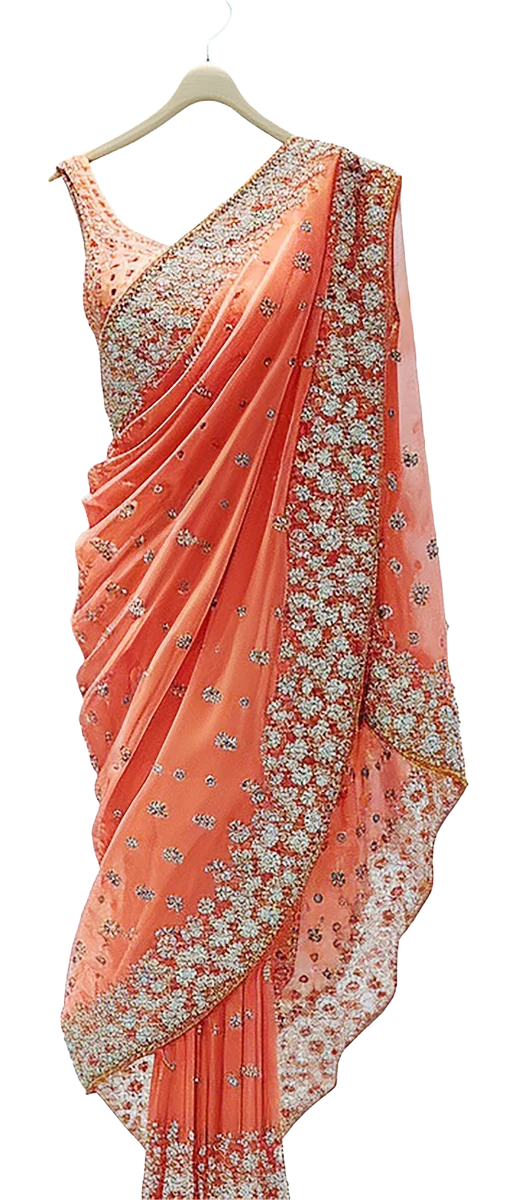
- Sarees — silk, chiffon, georgette, cottonColour-fastness tested at an inside hem before anything else, since a dark border against a pale body is the most common bleed risk. Pleats and pallu are set by hand at finishing.
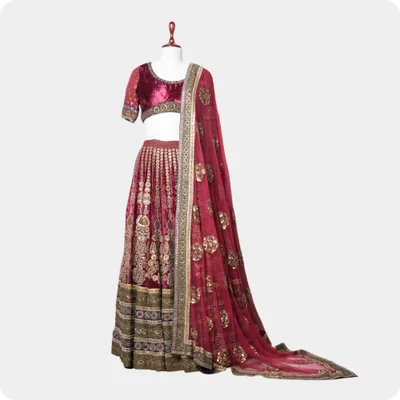
- Lehengas and bridal wearThe base net, the can-can lining and the embroidered panels all react differently, which is what causes puckering when a heavy ghagra is cleaned carelessly. Worked sections are hand-treated and the skirt is re-set rather than flattened.
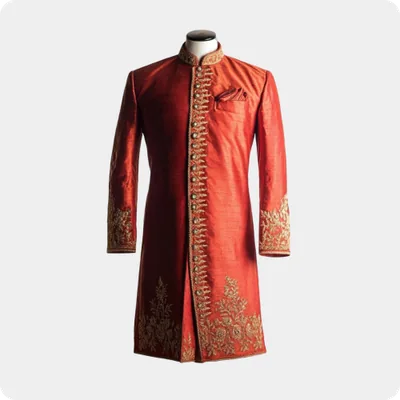
- Sherwanis, bandhgalas and kurta setsStructured chest canvas and collar stiffening need controlled heat. Zari buttons and thread-work are protected before cleaning and hand-finished after.
- Woollens, shawls and pashminaDry cleaning also clears moth larvae, which is exactly why woollens should go into storage clean — moths feed on food, sweat and body-oil residue, not on the wool itself.
- Designer and embellished wearSequins, beadwork, mukaish, stone-work and appliqué. Assessed piece by piece; some items are spot-cleaned by hand only, and we will say so before we accept the order.
- Dresses, gowns and formal wearLinings, boning and pleating are checked separately from the outer shell. Velvet is steamed from the reverse, never pressed face-down.
- Winter coats, jackets and overcoatsCollar and cuff grime is pre-treated by hand before the main clean, since that soiling is oil-based and concentrated where the fabric meets skin.
The solvent
Our solvent vs perc, honestly
Perc has been the dry-cleaning standard for fifty years and is still what most shops in Gurgaon & NCR run. Here is the actual difference, including where perc still wins.
| Our solvent — what we use | Perc — the older standard | |
|---|---|---|
| Fabric safety | Gentler on delicate fibre; less shrinkage and stress | Harder on sensitive fabrics over repeated cleans |
| Colour & finish | Holds dyes, prints, zari and beadwork | Higher risk of bleeding and fading |
| Odour | No residual chemical smell | Characteristic sharp odour |
| Toxicity | Not a classified carcinogen | Classified a probable human carcinogen |
| Environment | Lower VOC emissions; closed-loop recovery and reuse | Groundwater contaminant |
| Cycle time | Longer — the gentleness costs time | Faster |
| Heavy grease | Can need a second pass | More aggressive, and better at it |
Our solvent is a refined petroleum distillate, not a plant-based one — we do not market it as green. Where a fabric can safely take water, wet cleaning is the greener choice and we use that instead.
What we clean
Premium Dry Cleaning Service covers these
Item-wise rates for every one of them are published on the price list — no quote-on-request.




How it works
From your door and back again
Counted at your door
Every piece is counted and logged with you before it leaves, and you get a written receipt of exactly what was collected. Your order is bagged on its own and never shares a load with anyone else's.
Inspection and tagging
Fibre identified, care label read where one exists, existing damage recorded, and embellishments counted. Anything we think may not survive cleaning is flagged to you at this stage, not after.
Colour-fastness test
A discreet test on an inside seam or hem before any treatment. Hand-dyed, bandhani, leheriya and high-contrast bordered fabrics are always tested.
Hand pre-spotting
Each stain is treated by type — tannin, protein, oil or dye — on the spotting board with steam, air and vacuum, before the garment reaches any machine.
The cleaning itself
The method is chosen for the garment: a solvent cycle for pieces that can take movement, hand or spot-only cleaning for heavily worked and embellished items.
Finishing
Steam and form-pressing rather than flat pressing where the garment is structured. Embroidery, zari and pleating are finished by hand.
Final check and delivery
Re-inspected against the intake notes, embellishments re-counted, then returned on hangers under a breathable cover to your door.
From our customers
What Our Customers Say















Questions
Premium Dry Cleaning Service — what people ask
Where we collect
Premium Dry Cleaning Service across Gurugram
From Our Studio
See the Care in Action



Delivered the Wash4You Way
Pressed, Covered and Sealed for the Journey Home
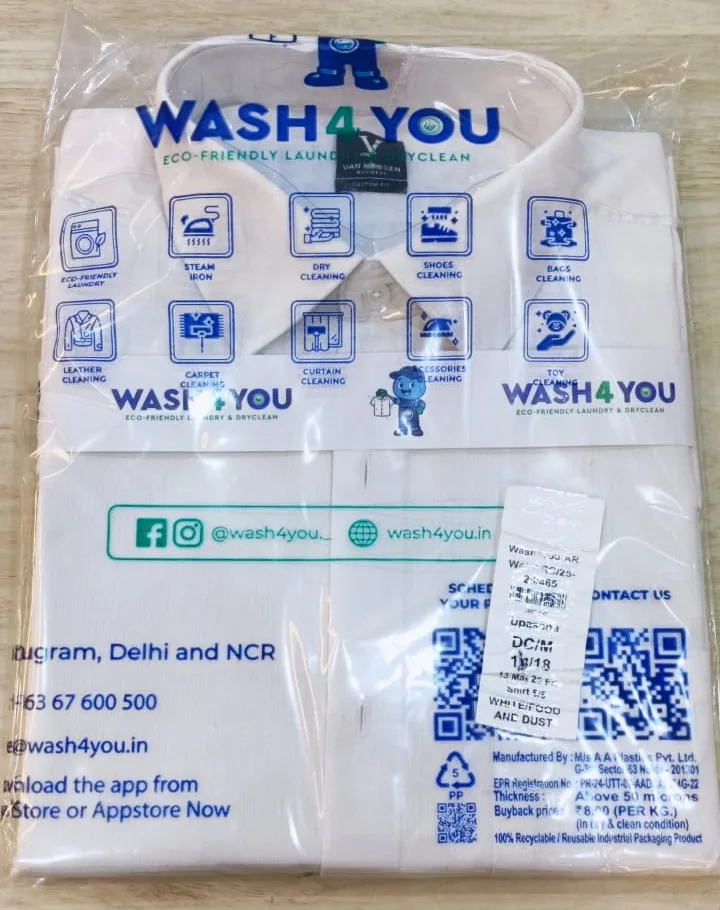
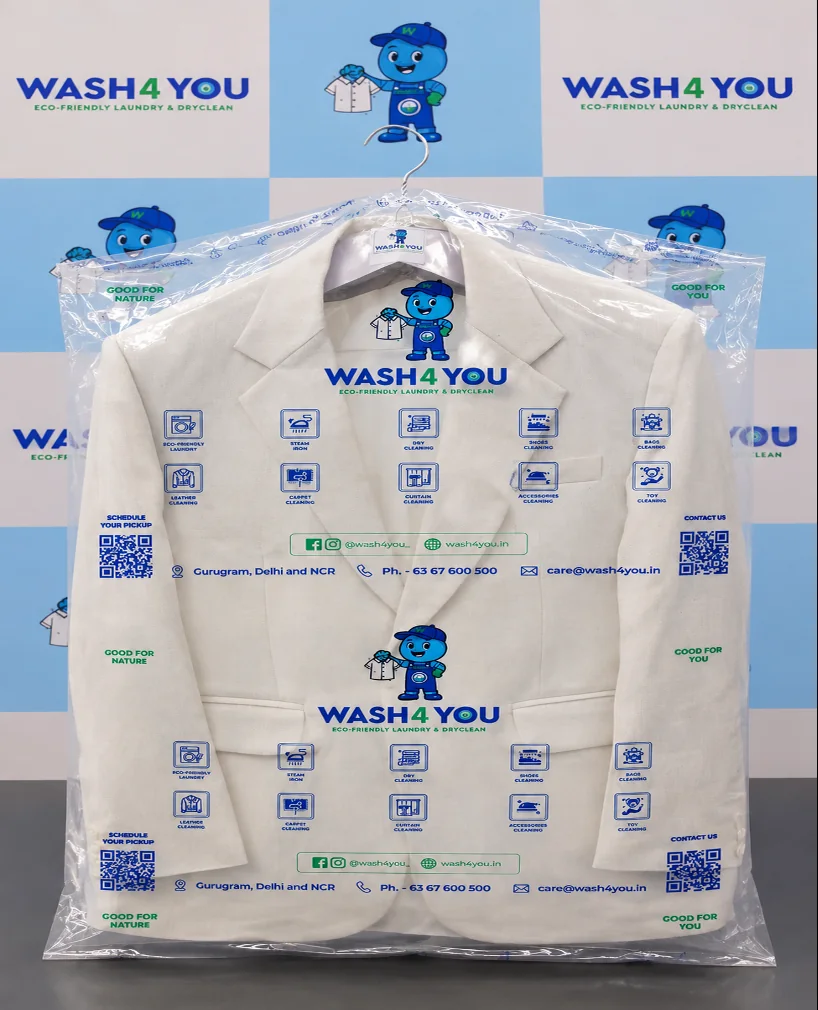
Every item comes back on its own hanger inside a Wash4You protective cover, with scan-to-book and contact codes on the pack, so it stays fresh until you open it.
Book free pickupBook a free pickup.
Tell us when suits you. We come to your door, count everything with you, and take it from there.